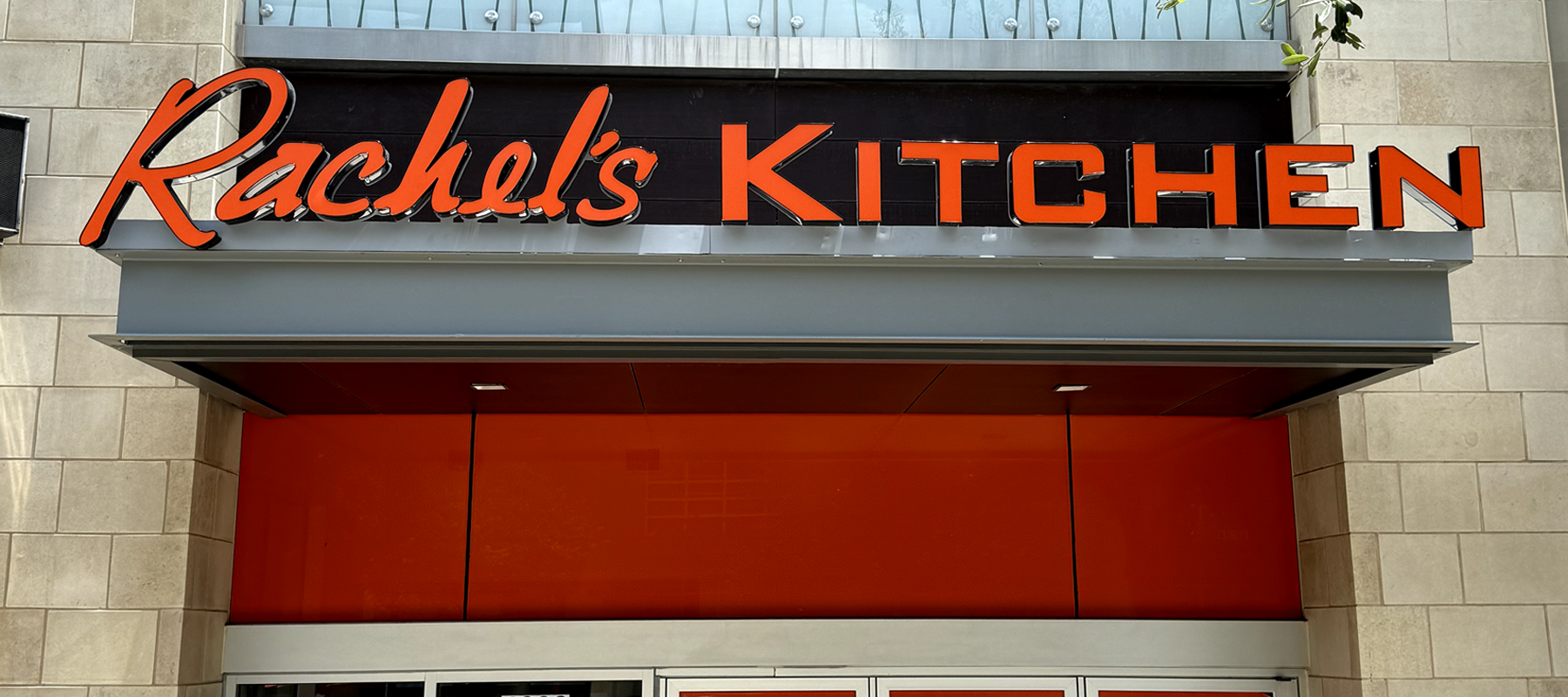
Rachel’s Kitchen is a fresh-casual café franchise offering wholesome, made-to-order food from breakfast through dinner, serving singles, families and health-minded consumers, and known for fresh ingredients, broad appeal and growth-oriented franchise model.
KEY FRANCHISE STATS
Franchisees
?
0
+
n.a.
n.a.
Franchise fee
?
$40,000
Investment
?
$298,000 - $816,000
Revenue (AUV)
?
Undisclosed
$1,676,000
+
3.2%
3.2%
Sign up
Rachel’s Kitchen is a fresh-casual restaurant concept founded in 2006 by Debbie Roxarzade in Las Vegas, Nevada. The brand’s headquarters remain in Las Vegas at 9640 W. Tropicana, Suite 117. The first café launched a bistro-style menu under the Rachel’s Kitchen name, inspired by the founder’s daughter, with a focus on fresh, high-quality dishes served in a relaxed setting.
Rachel’s Kitchen began franchising around 2008, expanding the concept beyond its original Nevada locations. The brand offers a wide menu that includes sandwiches, salads, pastas, wraps, breakfast plates and fresh juices. Each location delivers a modern café experience built around clean ingredients and handcrafted meals.
The franchise differentiates itself with an upscale yet approachable bistro feel that blends the comfort of casual dining with the speed of fast-casual service. Its focus on quality ingredients, community-driven cafés and a warm, neighborhood atmosphere helps it stand out in the crowded fresh-casual category.
Interested in Rachel's Kitchen franchise?
Share your information and our team will help you explore Rachel's Kitchen franchise opportunity, including startup costs, available territories, ownership requirements, and next steps.
The initial investment required for a Rachel's Kitchen franchise is
$298,000 - $816,000.
That is the total cost you would need to finance if you were to start this franchise.
These costs are provided by the franchisor in the Franchise Disclosure Document.
Type of Expenditure
Amount
Initial Franchise Fee
$40,000
Leasehold Improvements
$75,000 to $350,000
Lease, Utility and Security Deposits
$9,000 to $18,000
Linens, Uniforms and Smallwares
$10,000 to $30,000
Equipment
$55,000 to $150,000
Furniture, Fixtures and Security System
$20,000 to $35,000
Signage
$6,000 to $18,000
Initial Inventory
$10,000 to $18,000
Architectural / Engineering
$5,000 to $25,000
Computer System, POS System, Office Equipment and Supplies
$6,000 to $8,000
Living and Travel Expenses While Training
$1,450 to $3,880
Business Licenses and Permits
$1,000 to $10,000
Insurance – 3 Months
$3,000 to $4,000
Grand Opening Advertising
$4,000 to $8,000
Professional Fees
$3,000 to $8,000
Additional Funds
$50,000 to $90,000
Total
$298,450 to $815,880
Create a free account to access this table and more.
Thank you! Your submission has been received!
Oops! Something went wrong while submitting the form.
Type of Expenditure
Amount
Initial Franchise Fee
$40,000
Leasehold Improvements
$75,000 to $350,000
Lease, Utility and Security Deposits
$9,000 to $18,000
Linens, Uniforms and Smallwares
$10,000 to $30,000
Equipment
$55,000 to $150,000
Furniture, Fixtures and Security System
$20,000 to $35,000
Signage
$6,000 to $18,000
Initial Inventory
$10,000 to $18,000
Architectural / Engineering
$5,000 to $25,000
Computer System, POS System, Office Equipment and Supplies
$6,000 to $8,000
Living and Travel Expenses While Training
$1,450 to $3,880
Business Licenses and Permits
$1,000 to $10,000
Insurance – 3 Months
$3,000 to $4,000
Grand Opening Advertising
$4,000 to $8,000
Professional Fees
$3,000 to $8,000
Additional Funds
$50,000 to $90,000
Total
$298,450 to $815,880
Franchise Disclosure Document
Below is Rachel's Kitchen's 2024 Franchise Disclosure Document. Sign up for free to view the document.
Number of units
Rachel's Kitchen had 7 total units in 2024, of which 0 were franchised-owned and 7 company-owned.
Rachel’s Kitchen provides a structured training program to ensure franchisees are fully prepared to operate their restaurant. The program includes several components designed for both initial learning and ongoing development. Below are the main training programs provided by the franchisor:
Initial Training Program Before opening, the franchisee (or Designated Principal) and two key employees must complete an initial training program lasting approximately 10 days in Las Vegas or another designated location. The franchisor covers the instruction and materials cost, while the franchisee is responsible for all other expenses like travel, meals, and lodging. Completion must occur at least 30 days before the restaurant's opening.
Opening Assistance Rachel’s Kitchen sends a representative to the franchise location for up to five days before and after opening. This support includes helping standardize operations and train initial staff. The franchisor covers the cost unless additional days are requested, which the franchisee must pay for.
Replacement and New Manager Training If a Designated Principal or General Manager leaves, the franchisee must enroll an acceptable replacement to complete the training program promptly. The franchisor may require refresher training or recertification. Franchisee-trained managers must meet franchisor standards, and the franchisor can require them to repeat training.
Territory Protection
Rachel’s Kitchen grants its franchisees a protected territory, typically defined as a three-mile radius around their restaurant. During the term of the agreement, the franchisor will not allow another Rachel’s Kitchen location to operate within that designated territory, provided the franchisee remains in full compliance.
However, this protection does not extend to non-traditional sites such as airports, hospitals, stadiums, or malls—even if these locations fall within the franchisee’s territory.
Despite territorial protections, the franchisor reserves broad rights to operate or license other businesses using the Rachel’s Kitchen brand outside the designated territory.



.png)