Neighborhood Barre is a boutique fitness franchise offering low-impact barre classes and related retail, serving women and mixed-level fitness clients, and known for inclusive studios, proprietary choreography, and full-body workouts blending strength, cardio, and flexibility to deliver quick, sustainable results.
KEY FRANCHISE STATS
Franchisees
?
19
+
-5%
-5%
Franchise fee
?
$49,000
Investment
?
$94,000 - $266,000
Revenue (AUV)
?
Undisclosed
$155,000
+
n.a.
n.a.
Sign up
NEIGHBORHOOD barre is a boutique fitness franchise that focuses on inclusive barre workouts designed for all fitness levels. The brand was founded in 2011 by Katy Richardson in Knoxville, Tennessee, after she left her corporate accounting job to launch the first studio.
The company is headquartered in Charlottesville, Virginia, and continues to expand nationwide. NEIGHBORHOOD barre began franchising in 2015, giving entrepreneurs the chance to open locally owned studios under a proven boutique fitness model.
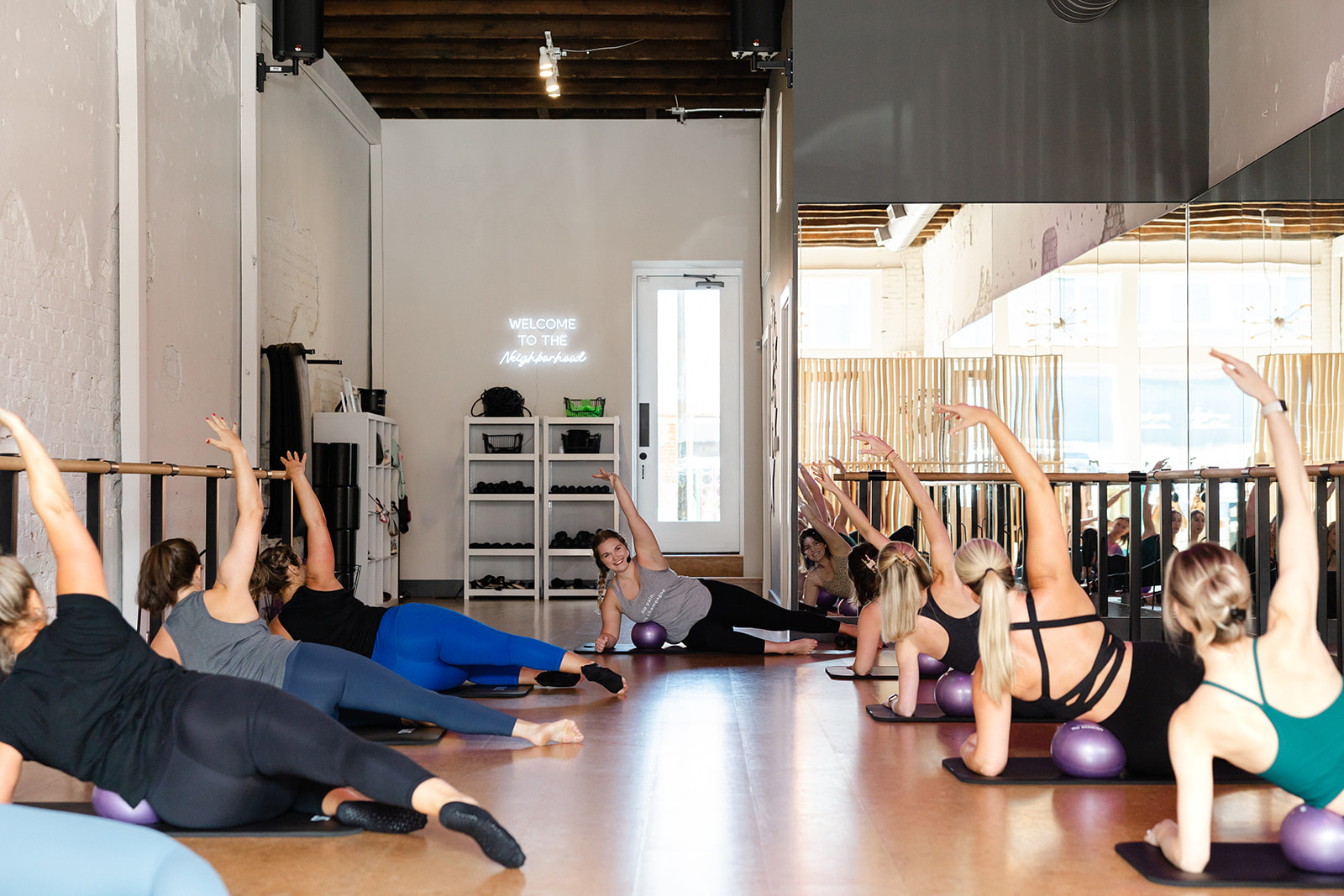
The franchise offers 30- and 50-minute barre classes that combine strength, cardio, and flexibility training. Its programs emphasize efficient, low-impact workouts delivered in a supportive, community-focused setting.
The franchise differentiates itself through its community-driven approach, approachable branding, and inclusive workout style that welcomes all fitness levels. Each studio is designed to feel like a neighborhood space, blending seamlessly with the local community while maintaining consistent programming and brand standards.
Interested in Neighborhood Barre franchise?
Share your information and our team will help you explore Neighborhood Barre franchise opportunity, including startup costs, available territories, ownership requirements, and next steps.
The initial investment required for a Neighborhood Barre franchise is
$94,000 - $266,000.
That is the total cost you would need to finance if you were to start this franchise.
These costs are provided by the franchisor in the Franchise Disclosure Document.
Type of Expenditure
Amount
Initial Franchise Fee
$49,000
Leasehold Improvements
$20,000 to $150,000
Design Fee
$1,000 to $3,500
Signage
$1,500 to $6,500
Studio Exercise Equipment
$2,540 to $3,500
Furniture and Fixtures
$2,000 to $5,000
Software, Computer and Website
$2,000 to $3,000
Inventory & Merchandise
$2,000 to $5,000
Initial Training Expenses
$900 to $4,000
Grand Opening Marketing Campaign
$3,000 to $5,000
Business Licenses
$100 to $1,500
Additional Funds - 3 Months
$10,000 to $30,000
Total Estimated Initial Investment
$94,040 to $266,000
Create a free account to access this table and more.
Thank you! Your submission has been received!
Oops! Something went wrong while submitting the form.
Type of Expenditure
Amount
Initial Franchise Fee
$49,000
Leasehold Improvements
$20,000 to $150,000
Design Fee
$1,000 to $3,500
Signage
$1,500 to $6,500
Studio Exercise Equipment
$2,540 to $3,500
Furniture and Fixtures
$2,000 to $5,000
Software, Computer and Website
$2,000 to $3,000
Inventory & Merchandise
$2,000 to $5,000
Initial Training Expenses
$900 to $4,000
Grand Opening Marketing Campaign
$3,000 to $5,000
Business Licenses
$100 to $1,500
Additional Funds - 3 Months
$10,000 to $30,000
Total Estimated Initial Investment
$94,040 to $266,000
Franchise Disclosure Document
Below is Neighborhood Barre's 2025 Franchise Disclosure Document. Sign up for free to view the document.
Number of units
Neighborhood Barre had 22 total units in 2025, of which 19 were franchised-owned and 3 company-owned.
Neighborhood Barre provides an extensive and multi-layered training system to ensure franchisees, their management teams, and instructors are fully prepared to operate within brand standards. The training programs include mandatory modules for owners, managers, and instructors, as well as optional refresher and remedial support.
Initial Training Program: Franchisees or their designated Operating Principals must complete the Owner/Operator Module before opening the studio. This training is conducted either virtually or in person and covers the operational aspects required for launch and compliance.
Initial Instructor Training: Every instructor who provides services at the studio must complete this program before delivering any classes. It ensures consistent service delivery and adherence to Neighborhood Barre’s instructional standards.
Key Manager Training Program: If the franchisee appoints a manager not involved in daily operations, that individual must complete the Key Manager Module to oversee the studio effectively.
Ongoing and Refresher Training: Franchisees and management personnel may be required to attend up to five days of training each year. These sessions focus on updates to procedures, service standards, and new initiatives.
Remedial Training: If service or operational standards fall short, the franchisor may assign trainers on-site to restore compliance. This may involve repeating prior training programs, and fees are typically charged for this assistance.
Territory Protection
Neighborhood Barre provides its franchisees with a Designated Territory that is considered “exclusive” under franchise disclosure laws. This territory is typically based on a population size (up to 50,000 people) or a defined geographic area such as a radius around the studio, specific streets, or zip codes.
While the franchisor will not allow another Neighborhood Barre studio to operate within this territory, the exact size and shape may vary based on local demographics and pre-existing locations.
However, the franchisor retains broad rights to operate or authorize similar businesses outside the Designated Territory, including through other trademarks or at “Non-Traditional Sites” like malls, gyms, or airports. It can also sell services and products via the internet or alternative distribution channels within a franchisee’s territory.


.png)