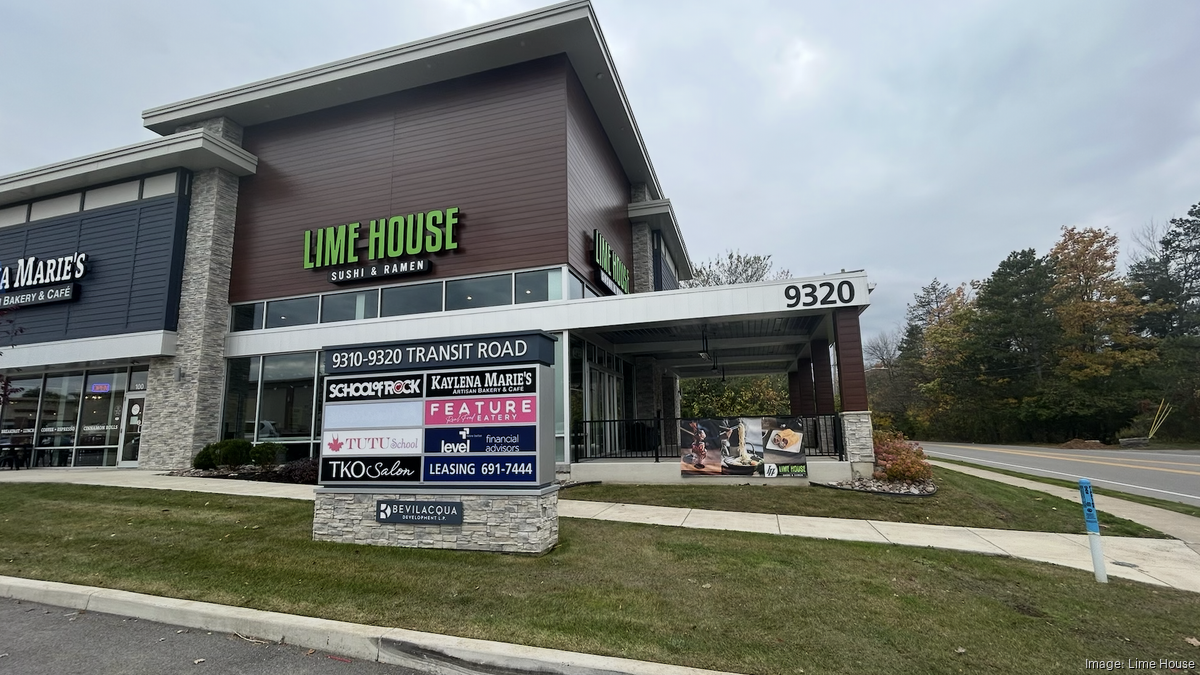
Lime House is a fast-casual restaurant franchise offering sushi, ramen, and Burmese-inspired dishes, serving diners seeking approachable Asian flavors, and known for chef-driven recipes, fine-dining quality ingredients, community-focused hospitality, and an accessible build-out model for multi-unit or first-time restaurant owners.
KEY FRANCHISE STATS
Franchisees
?
0
+
n.a.
n.a.
Franchise fee
?
$35,000
Investment
?
$348,000 - $782,000
Revenue (AUV)
?
Undisclosed
$0
+
n.a.
n.a.
Sign up
Lime House is a fast-casual restaurant franchise specializing in fresh sushi and made-to-order ramen. The brand highlights high-quality ingredients, authentic Asian flavors, and a modern dining experience that appeals to a broad customer base.
Lime House restaurants offer both chef-prepared sushi and customizable ramen bowls, blending traditional techniques with quick-service convenience. The first Lime House restaurant opened in 2017, founded by Thanda Win, who brought her passion for Asian cuisine to Western New York.
The concept was originally established in Williamsville, New York, before its flagship operations and support center were consolidated in Hamburg, New York, where the brand is now headquartered.
Lime House launched its franchise program in 2023 as the company began replicating its successful model for expansion across new markets.
What differentiates Lime House from competitors is its focus on premium, freshly prepared sushi and ramen served in a fast-casual format with a lower build-out cost compared to traditional full-service restaurants.
Interested in Lime House franchise?
Share your information and our team will help you explore Lime House franchise opportunity, including startup costs, available territories, ownership requirements, and next steps.
The initial investment required for a Lime House franchise is
$348,000 - $782,000.
That is the total cost you would need to finance if you were to start this franchise.
These costs are provided by the franchisor in the Franchise Disclosure Document.
type of expenditure
amount
Initial Franchise Fe
$35,000
Construction and Leasehold Improvements
$90,000 – $350,000
Lease Deposits and Rent – Three Months
$2,500 – $7,000
Furniture and Fixtures
$12,000 – $23,000
Equipment
$81,000 – $175,000
Signage
$5,800 – $10,000
Computer, Software, and Point of Sale System
$4,000 – $10,000
Grand Opening Marketing
$10,000 – $15,000
Initial Inventory
$31,557 – $39,447
Utility Deposits
$2,220 – $5,000
Insurance Deposits – Three Months
$8,670 – $10,000
Travel for Initial Training
$4,200 – $14,100
Professional Fees
$7,000 – $9,000
Licenses and Permits
$150 – $1,000
Printing, Stationery and Office Supplies
$1,500 – $3,000
Additional Funds – Three Months
$52,681 – $75,106
Total Estimate
$348,278 – $781,653
Create a free account to access this table and more.
Thank you! Your submission has been received!
Oops! Something went wrong while submitting the form.
type of expenditure
amount
Initial Franchise Fe
$35,000
Construction and Leasehold Improvements
$90,000 – $350,000
Lease Deposits and Rent – Three Months
$2,500 – $7,000
Furniture and Fixtures
$12,000 – $23,000
Equipment
$81,000 – $175,000
Signage
$5,800 – $10,000
Computer, Software, and Point of Sale System
$4,000 – $10,000
Grand Opening Marketing
$10,000 – $15,000
Initial Inventory
$31,557 – $39,447
Utility Deposits
$2,220 – $5,000
Insurance Deposits – Three Months
$8,670 – $10,000
Travel for Initial Training
$4,200 – $14,100
Professional Fees
$7,000 – $9,000
Licenses and Permits
$150 – $1,000
Printing, Stationery and Office Supplies
$1,500 – $3,000
Additional Funds – Three Months
$52,681 – $75,106
Total Estimate
$348,278 – $781,653
Franchise Disclosure Document
Below is Lime House's 2026 Franchise Disclosure Document. Sign up for free to view the document.
Number of units
Lime House had 2 total units in 2026, of which 0 were franchised-owned and 2 company-owned.
Lime House provides a comprehensive and multi-layered training program for its franchisees to ensure effective and compliant business operations. The training programs are as follows:
Initial Training Program Franchisees must complete an initial training program within 30 days before their scheduled business opening. This includes the Managing Owner and two managers, and involves both classroom and on-the-job instruction. Additional participants can attend upon approval and payment of a $500 fee per person per day.
Supplemental Training Lime House may offer or require supplemental training based on operational needs or staff changes. This training can take place at the franchisee's location or remotely via web conferencing and costs $500 per trainer per day, plus travel and accommodation expenses.
Refresher and System-Wide Training Franchisees must attend any refresher or system-wide training programs the franchisor designates. These can occur post-opening and are typically limited to five days per calendar year. All travel and attendance costs are the responsibility of the franchisee.
Ongoing Employee Training After the initial training, franchisees are responsible for the ongoing training of all employees to meet the franchisor’s standards. This ensures that daily operations remain aligned with Lime House’s brand and operational expectations.
Territory Protection
Lime House grants franchisees a “Designated Territory” once a site is approved, typically defined as the smaller of a one-mile radius from the restaurant location or an area encompassing 10,000 people.
In captive or non-traditional markets such as airports or stadiums, the territory may be limited to the physical boundaries of the venue. This Designated Territory is not guaranteed to be exclusive, but it does provide a structured area where franchisees are expected to operate and focus their marketing efforts.
Despite being assigned a territory, Lime House retains broad rights to conduct business within or near that area through various distribution channels, including online sales, third-party platforms, and direct marketing. Franchisees are not compensated if the franchisor accepts orders from customers within their designated area using these channels.



.png)