Kuma Ani is an Asian-food franchise offering ramen, donburi and ban mein bowls, serving quick-service diners and urban food-lovers, and known for authentic flavours, streamlined operations and investment starting around $345k-$544k.
KEY FRANCHISE STATS
Franchisees
?
0
+
n.a.
n.a.
Franchise fee
?
$25,000
Investment
?
$345,000 - $544,000
Revenue (AUV)
?
Undisclosed
$0
+
n.a.
n.a.
Sign up
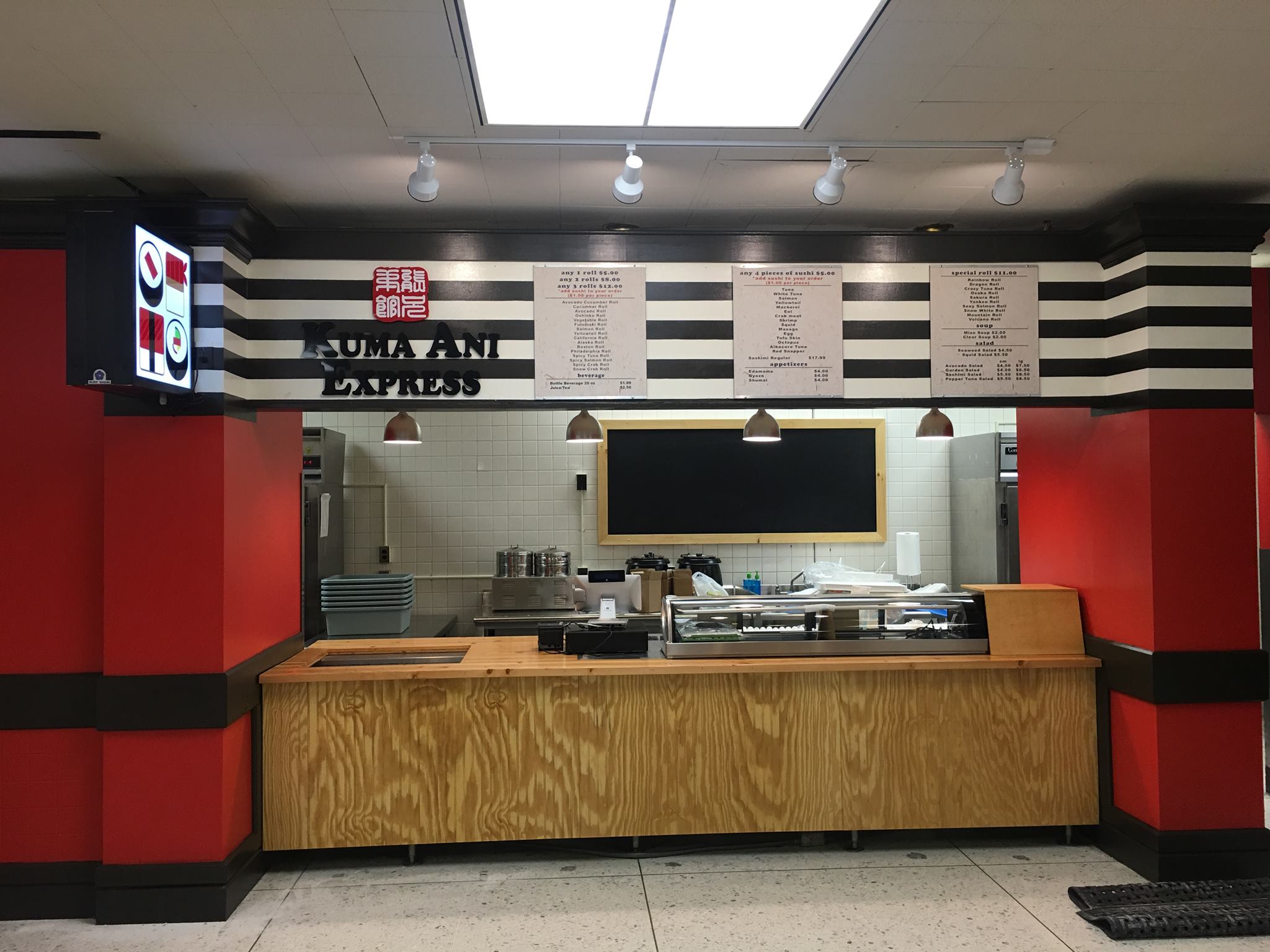
Kuma Ani is a fast-casual Asian dining franchise that began in 2014 in Albany, New York. The brand is headquartered in Troy, New York. Kuma Ani opened its franchise program in 2023, allowing entrepreneurs to join a growing modern Asian food concept.
Kuma Ani specializes in ramen, donburi rice bowls, and ban mein noodle dishes. The brand focuses on fresh, high-quality ingredients and prepares many components in-house. This commitment to quality helps the concept stand out in the competitive Asian fast-casual category.
The franchise differentiates itself through a streamlined operational model designed to keep overhead low. Franchisees receive support with training, store setup, and ongoing operations. By focusing on a trending segment of Asian fast-casual cuisine, Kuma Ani positions itself as an appealing option for new franchise operators.
Interested in Kuma Ani franchise?
Share your information and our team will help you explore Kuma Ani franchise opportunity, including startup costs, available territories, ownership requirements, and next steps.
The initial investment required for a Kuma Ani franchise is
$345,000 - $544,000.
That is the total cost you would need to finance if you were to start this franchise.
These costs are provided by the franchisor in the Franchise Disclosure Document.
Type of Expenditure
Amount
Initial Franchise Fee
$25,000 – $25,000
Traveling and Living Expenses while Training
$3,000 – $6,000
Real Property Rent and Security Deposits
$15,000 – $30,000
Leasehold Improvements
$180,000 – $280,000
Furniture, Fixtures, and Décor
$20,000 – $40,000
Initial Inventory and Supplies
$10,000 – $20,000
Signage
$5,000 – $10,000
Grand Opening Advertising
$2,000 – $5,000
Licenses, Permits, and Certifications
$1,000 – $2,000
Insurance (3 Months)
$1,000 – $2,500
Equipment, TV, Cameras, and Other Supplies
$50,000 – $70,000
Professional Fees
$2,500 – $3,500
Additional Funds (3 months)
$30,000 – $50,000
Total
$344,500 – $544,000
Create a free account to access this table and more.
Thank you! Your submission has been received!
Oops! Something went wrong while submitting the form.
Type of Expenditure
Amount
Initial Franchise Fee
$25,000 – $25,000
Traveling and Living Expenses while Training
$3,000 – $6,000
Real Property Rent and Security Deposits
$15,000 – $30,000
Leasehold Improvements
$180,000 – $280,000
Furniture, Fixtures, and Décor
$20,000 – $40,000
Initial Inventory and Supplies
$10,000 – $20,000
Signage
$5,000 – $10,000
Grand Opening Advertising
$2,000 – $5,000
Licenses, Permits, and Certifications
$1,000 – $2,000
Insurance (3 Months)
$1,000 – $2,500
Equipment, TV, Cameras, and Other Supplies
$50,000 – $70,000
Professional Fees
$2,500 – $3,500
Additional Funds (3 months)
$30,000 – $50,000
Total
$344,500 – $544,000
Franchise Disclosure Document
Below is Kuma Ani's 2026 Franchise Disclosure Document. Sign up for free to view the document.
Number of units
Kuma Ani had 2 total units in 2026, of which 0 were franchised-owned and 2 company-owned.
Kuma Ani provides a structured initial training program to ensure franchisees are well-prepared to operate their business. The training must be completed by the franchisee or their designated manager prior to opening the location. While the franchisor does not charge tuition for the training itself, franchisees are responsible for travel, lodging, and related expenses.
Initial Training: This is mandatory for up to two individuals and includes all operational aspects of running a Kuma Ani franchise. Training must be completed to the franchisor's satisfaction before launch.
Operations Manual: Training is based on the detailed Operations Manual, which is either provided in print or digitally. Franchisees must operate strictly in accordance with this manual.
Ongoing and Supplemental Training: The franchisor may require attendance at additional training, conferences, or webinars. These sessions are limited to two per year and cost $250 per person per day, plus travel expenses if conducted at the franchisee’s location.
Territory Protection
Kuma Ani provides its franchisees with an exclusive territory, meaning the franchisor agrees not to establish either a company-owned or franchised outlet within that geographic area selling similar goods or services under the same or similar trademarks.
This territory typically includes a 2-mile radius or a population cap, as defined in the agreement, and remains fixed regardless of any population increase or market changes. The franchisee is not required to meet specific sales thresholds to maintain this exclusivity.
However, Kuma Ani reserves the right to use alternative distribution channels such as internet, catalog, telemarketing, or direct marketing within the franchisee's territory. While these efforts might generate sales from the franchisee's area, the franchisor is not obligated to compensate the franchisee.



.png)