Joju is a fast-casual café franchise offering artisan beverages, premium coffee and café fare, serving urban professionals and café-goers, and known for minimalist design, craft quality and an experiential café concept.
KEY FRANCHISE STATS
Franchisees
?
1
+
n.a.
n.a.
Franchise fee
?
$50,000
Investment
?
$216,000 - $399,000
Revenue (AUV)
?
Undisclosed
$0
+
n.a.
n.a.
Sign up
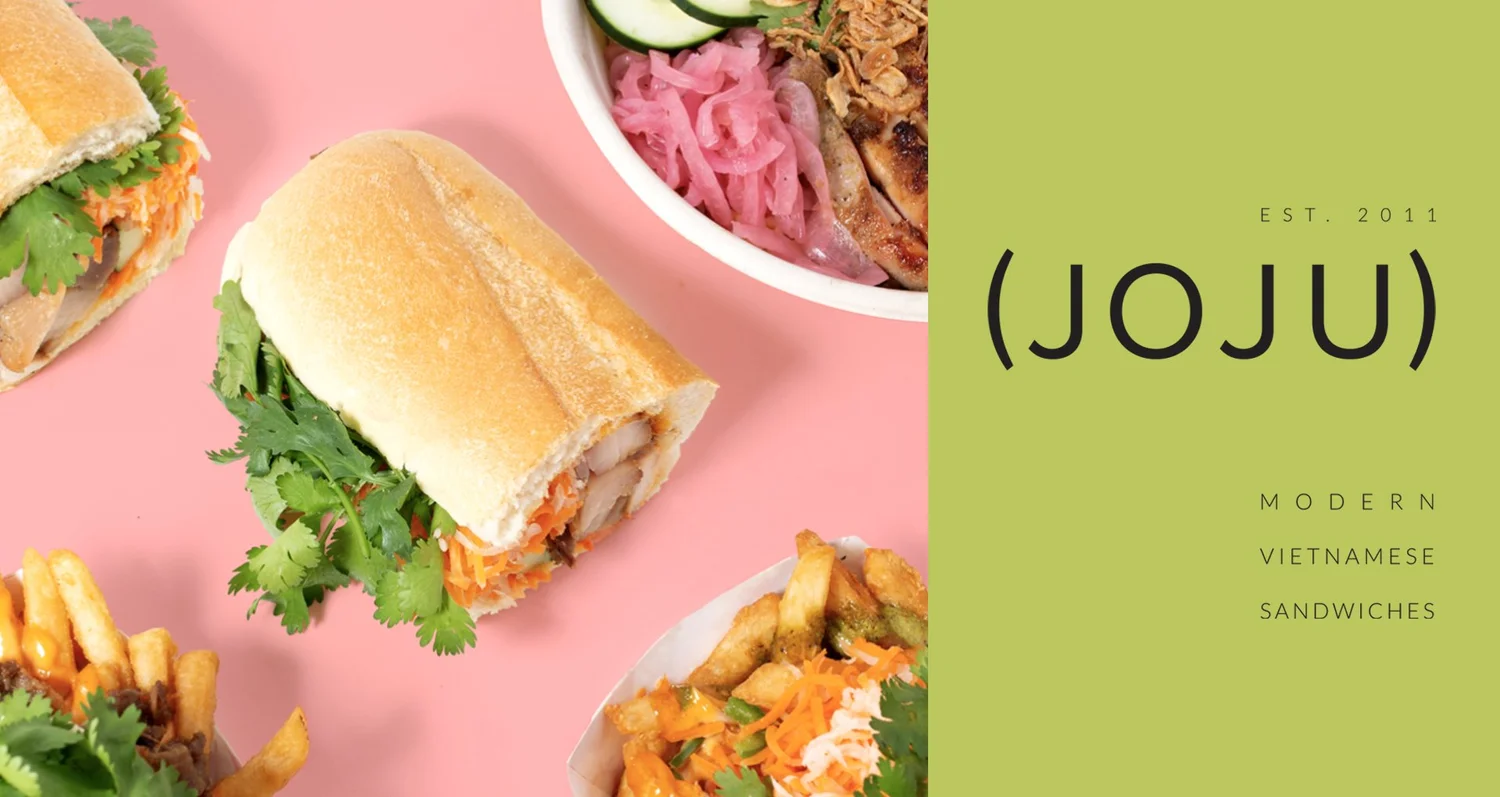
JoJuis a fast-casual sandwich franchise specializing in modern Vietnamese cuisine. The brand was founded in 2011 in New York City and quickly became known for its fresh, contemporary take on traditional banh mi sandwiches. JoJu is headquartered in New York and presents itself as a high-end yet accessible fast-casual concept.
The franchise began offering expansion opportunities in 2022, inviting qualified entrepreneurs to join its growing network. JoJu’s menu features signature banh mi sandwiches, rice bowls, salad bowls, specialty fries and Vietnamese iced coffee. The concept is designed for speed, efficiency and consistent quality across all locations.
JoJu differentiates itself by focusing on elevated Vietnamese street-food within a modern fast-casual framework. The brand emphasizes premium ingredients, bold flavors and an upgraded dining experience compared to typical sandwich or Asian quick-service restaurants.
Interested in Joju franchise?
Share your information and our team will help you explore Joju franchise opportunity, including startup costs, available territories, ownership requirements, and next steps.
The initial investment required for a Joju franchise is
$216,000 - $399,000.
That is the total cost you would need to finance if you were to start this franchise.
These costs are provided by the franchisor in the Franchise Disclosure Document.
Type of Expenditure
Amount
Initial Franchise Fee
$50,000 - $50,000
Traveling and Living Expenses while Training
$2,000 - $4,000
Real Property Rent Deposits and Pre-Paid Expenses
$9,000 - $30,000
Furniture, Fixtures, and Decor
$25,000 - $50,000
Construction of Leasehold Improvements
$50,000 - $100,000
Interior Design
$4,000 - $15,000
Equipment, TV, Cameras, and other Supplies
$25,000 - $50,000
Initial Inventory
$5,000 - $15,000
Signage
$3,000 - $10,000
Grand Opening Advertising
$5,000 - $10,000
Business Licenses and Permits
$2,000 - $5,000
Insurance (3 Months)
$3,000 - $5,000
Professional Fees
$2,500 - $5,000
Additional Funds (3 months)
$30,000 - $50,000
Total
$215,500 - $399,000
Create a free account to access this table and more.
Thank you! Your submission has been received!
Oops! Something went wrong while submitting the form.
Type of Expenditure
Amount
Initial Franchise Fee
$50,000 - $50,000
Traveling and Living Expenses while Training
$2,000 - $4,000
Real Property Rent Deposits and Pre-Paid Expenses
$9,000 - $30,000
Furniture, Fixtures, and Decor
$25,000 - $50,000
Construction of Leasehold Improvements
$50,000 - $100,000
Interior Design
$4,000 - $15,000
Equipment, TV, Cameras, and other Supplies
$25,000 - $50,000
Initial Inventory
$5,000 - $15,000
Signage
$3,000 - $10,000
Grand Opening Advertising
$5,000 - $10,000
Business Licenses and Permits
$2,000 - $5,000
Insurance (3 Months)
$3,000 - $5,000
Professional Fees
$2,500 - $5,000
Additional Funds (3 months)
$30,000 - $50,000
Total
$215,500 - $399,000
Franchise Disclosure Document
Below is Joju's 2025 Franchise Disclosure Document. Sign up for free to view the document.
Number of units
Joju had 4 total units in 2025, of which 1 were franchised-owned and 3 company-owned.
JoJu provides a structured and detailed training program to ensure franchisees are fully prepared to operate their businesses.
Initial Training: JoJu offers an initial training program at no cost for up to two people, covering both classroom and on-the-job instruction. Topics include menu understanding, customer service, safety, food preparation, marketing, and daily operations. Franchisees must cover their own travel and lodging expenses, and the training must be completed satisfactorily before opening.
Training Curriculum: The program includes approximately 11 hours of classroom training and 21 hours of on-the-job training. Key modules are food preparation (3 classroom, 10 on-the-job hours), customer service (1 classroom, 3 on-the-job hours), and marketing (1 hour each). If the designated manager is replaced, the new person must also complete training.
Ongoing and Additional Training: JoJu may provide mandatory ongoing training through conferences or webinars, with a cap of two sessions per year. Additional training requested or required is charged at $250 per person per day, plus expenses if conducted on-site. Franchisees are responsible for all associated costs, including salaries of attendees.
Territory Protection
JoJu grants franchisees an exclusive territory where no other franchised or company-owned outlets offering similar goods under the same brand will be established. This territory is usually defined by a three-mile radius and remains protected regardless of the franchisee’s sales performance or market penetration.
The franchisor cannot alter this territory even if the local population increases. However, JoJu and its affiliates reserve the right to use alternative distribution methods, such as online sales, catalog marketing, and telemarketing, within the franchisee’s territory.
While inquiries from within a franchisee’s territory are typically directed to their outlet, the franchisor is not obligated to provide compensation for sales made through these other channels.



.png)