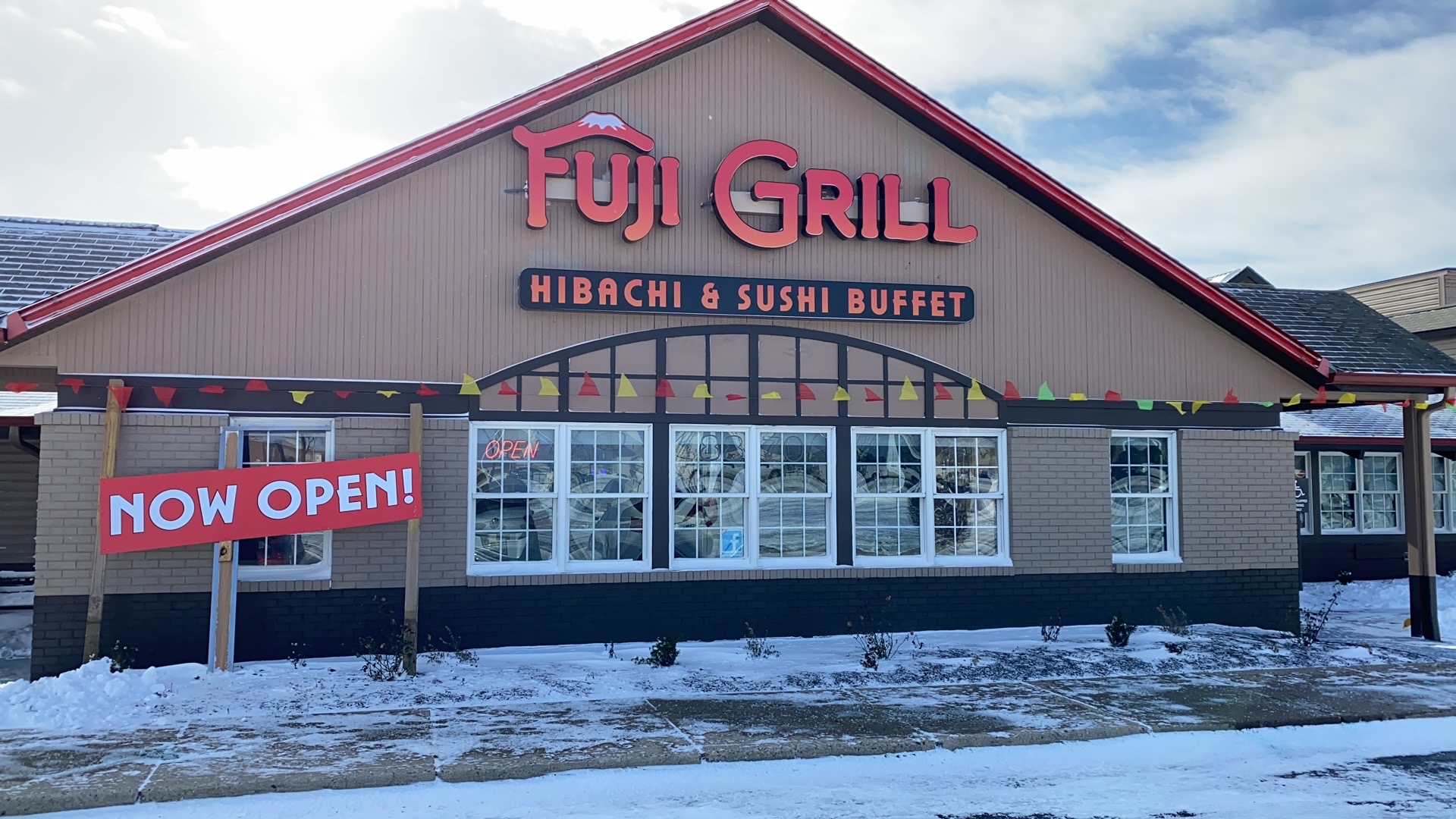

Fuji Grill is a fast-casual Japanese teriyaki and sushi franchise founded in 2003 in Orange, California. Its corporate headquarters remain at 1515 W. Chapman Ave., Orange, CA 92868. Since its incorporation on November 18, 2003, Fuji Grill, Inc. has developed a signature menu built around fresh, healthy, made-to-order bowls and rolls.
The franchise began offering opportunities that same year, 2003, and currently operates at least five franchised units across the U.S.
Fuji Grill specializes in Japanese-style bowls with steamed rice, fresh vegetables, grilled proteins, and its signature sauces—Fuji teriyaki and ponzu. It also offers sushi, poke, and bento selections. The brand focuses on delivering healthy quick-service dining with quality ingredients and made-to-order meals in a welcoming environment.
What sets Fuji Grill apart is its commitment to health-conscious Japanese cuisine and the use of proprietary sauces that elevate its dishes. The simple, focused menu and strong brand consistency allow it to stand out in the competitive fast-casual space.
Here's what you would need to invest if you were to start this franchise. These costs are provided by the franchisor in the Franchise Disclosure Document.
Fuji Grill offers a detailed training program to prepare franchisees and their managers for operating the franchised business efficiently.
Fuji Grill provides franchisees with a protected territory, typically defined as a 1 to 3-mile radius around the authorized restaurant location. This territory is outlined in the franchise agreement and must be approved by Fuji Grill.
As long as the franchisee is not in default and meets their obligations, Fuji Grill will not open or license another FUJI GRILL restaurant within this designated area.
However, the protection is limited and does not prevent other franchisees from soliciting customers from within your territory, nor does it restrict your ability to accept customers from outside your area.
Below are some of
Fuji Grill
key competitors in the
Asian
sector.

6
$30,000
$152,000
$286,000
n.a.
$0
$xxx,xxx
n.a.
n.a.
n.a.
n.a.

Lime House is a fast-casual restaurant franchise offering sushi, ramen, and Burmese-inspired dishes, serving diners seeking approachable Asian flavors, and known for chef-driven recipes, fine-dining quality ingredients, community-focused hospitality, and an accessible build-out model for multi-unit or first-time restaurant owners.
?
?

PokiTomik is a fast-casual restaurant franchise offering poke bowls, sushi burritos, and Asian-fusion dishes, serving health-minded guests seeking customizable meals, and known for fresh proteins, vibrant toppings, quick-service formats, and contemporary branding tailored to busy urban and neighborhood locations.
?
?

Vegan District is a plant-based restaurant franchise offering vegan comfort foods and beverages, serving health-conscious diners and ethically minded consumers, and known for indulgent yet animal-free menus, contemporary branding, and positioning within the rapidly growing plant-based dining market segment.
?
?

Kuma Ani is an Asian-food franchise offering ramen, donburi and ban mein bowls, serving quick-service diners and urban food-lovers, and known for authentic flavours, streamlined operations and investment starting around $345k-$544k.
?
?

Joju is a fast-casual café franchise offering artisan beverages, premium coffee and café fare, serving urban professionals and café-goers, and known for minimalist design, craft quality and an experiential café concept.
?
?

The Flame Broiler is a fast-casual Asian-rice-bowl franchise offering chicken, beef, tofu and rice or salad bowls, serving health- and value-focused diners, and known for simple model, quick service, and proven franchising system.
?
?
Choosing a franchise goes beyond reviewing fees and financials — it requires an honest assessment of your goals, skills, and risk tolerance. This article outlines the key questions prospective owners should ask before committing. It helps clarify whether the opportunity aligns with your lifestyle, long-term plans, and operational preferences.
Speaking with current and former franchisees is one of the most reliable ways to understand how a franchise really operates. This guide explains how to conduct validation calls, what questions to ask, and how to identify patterns in feedback. It provides a practical framework for uncovering real performance expectations and support quality.
Not all franchise opportunities offer the same potential. This article breaks down how to evaluate a brand’s industry, financial health, support systems, and competitive positioning. It helps prospective buyers compare options and identify franchises with strong long-term viability.
A clear, well-structured business plan is essential for securing financing and preparing for the realities of franchise ownership. This article explains how to build a plan that covers market analysis, operations, staffing, and local marketing. It also outlines how to create realistic pro forma financials, including revenue projections, startup costs, and break-even analysis. Readers gain a practical framework they can use when applying for loans or planning their first years of operations.