Dae Gee Korean BBQ Franchise FDD, Costs & Fees (2026)
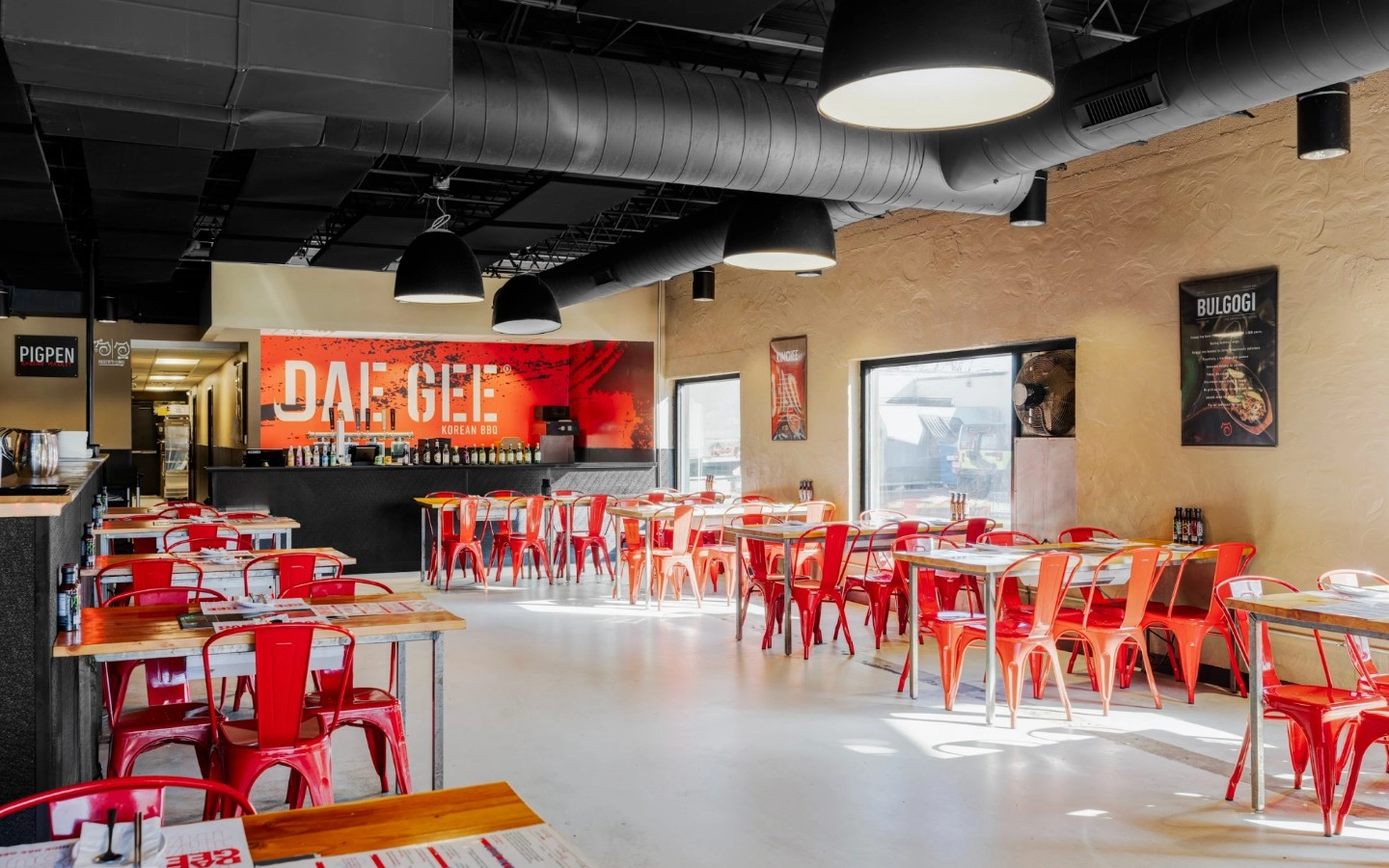
Dae Gee Korean BBQ is a restaurant franchise offering Korean barbecue with a do-it-yourself grilling experience. Customers cook their own meats at the table, enjoying a communal and interactive dining atmosphere.
KEY FRANCHISE STATS
Franchisees
?
2
+
n.a.
n.a.
Franchise fee
?
$45,000
Investment
?
$480,000 - $949,000
Revenue (AUV)
?
Undisclosed
$1,100,000
+
n.a.
n.a.
Sign up
Dae Gee Korean BBQ is a dynamic restaurant franchise that brings authentic Korean flavors to the American dining scene. Founded in 2012 by Joseph Kim in Westminster, Colorado, Dae Gee—meaning "pig" in Korean—offers a unique, interactive experience where patrons grill their own meats at the table.
The brand's headquarters remain in Westminster, reflecting its Colorado roots. Dae Gee began franchising in 2021, expanding its footprint with locations in Colorado, Indiana, Texas, and Mexico, with plans for further growth.
The restaurant specializes in traditional Korean barbecue, featuring marinated meats such as beef short ribs, pork belly, and chicken, complemented by an array of side dishes like kimchi and spicy sauces.
Dae Gee sets itself apart with its commitment to quality ingredients and a communal dining atmosphere that encourages sharing and interaction. The brand gained national attention after being featured on Food Network's "Diners, Drive-Ins and Dives," where host Guy Fieri praised it as "off the hook."
Interested in Dae Gee Korean BBQ franchise?
Share your information and our team will help you explore Dae Gee Korean BBQ franchise opportunity, including startup costs, available territories, ownership requirements, and next steps.
The initial investment required for a Dae Gee Korean BBQ franchise is
$480,000 - $949,000.
That is the total cost you would need to finance if you were to start this franchise.
These costs are provided by the franchisor in the Franchise Disclosure Document.
Type of Expenditure
Amount
Initial Franchise Fee
$45,000
Architecture and Design Fees
$17,000 - $45,000
Real Estate and Construction Assistance Fee
$16,500 - $22,500
3 Months’ Lease Payments
$12,500 - $25,000
Security Deposits
$5,000 - $15,000
Leasehold Improvements
$250,000 - $450,000
Furniture, Fixtures and Equipment
$65,000 - $160,000
Signage
$6,000 - $25,000
Computer/POS System
$2,500 - $7,000
Technology Fee (for one month prior to open)
$125
Training
$3,000 - $6,000
Grand Opening Marketing
$12,000
Initial Inventory Purchase of Food and Branded Items
$16,000 - $48,000
Initial Inventory of Alcoholic Beverages
$2,000 - $4,000
Insurance
$3,000 - $9,000
Licenses
$250 - $1,500
Costs for Alcoholic Beverage License
$4,000 - $8,000
Professional Fees
$2,000 - $3,000
Security and Surveillance Costs
$3,000 - $12,500
Additional Funds – 3 Months
$15,000 - $50,000
Total Estimated Initial Investment
$479,875 - $948,625
Create a free account to access this table and more.
Thank you! Your submission has been received!
Oops! Something went wrong while submitting the form.
Type of Expenditure
Amount
Initial Franchise Fee
$45,000
Architecture and Design Fees
$17,000 - $45,000
Real Estate and Construction Assistance Fee
$16,500 - $22,500
3 Months’ Lease Payments
$12,500 - $25,000
Security Deposits
$5,000 - $15,000
Leasehold Improvements
$250,000 - $450,000
Furniture, Fixtures and Equipment
$65,000 - $160,000
Signage
$6,000 - $25,000
Computer/POS System
$2,500 - $7,000
Technology Fee (for one month prior to open)
$125
Training
$3,000 - $6,000
Grand Opening Marketing
$12,000
Initial Inventory Purchase of Food and Branded Items
$16,000 - $48,000
Initial Inventory of Alcoholic Beverages
$2,000 - $4,000
Insurance
$3,000 - $9,000
Licenses
$250 - $1,500
Costs for Alcoholic Beverage License
$4,000 - $8,000
Professional Fees
$2,000 - $3,000
Security and Surveillance Costs
$3,000 - $12,500
Additional Funds – 3 Months
$15,000 - $50,000
Total Estimated Initial Investment
$479,875 - $948,625
Franchise Disclosure Document
Below is Dae Gee Korean BBQ's 2024 Franchise Disclosure Document. Sign up for free to view the document.
Number of units
Dae Gee Korean BBQ had 6 total units in 2024, of which 2 were franchised-owned and 4 company-owned.
Dae Gee Korean BBQ provides a structured and comprehensive training program to ensure franchisees are well-prepared to operate their businesses effectively. Here are the primary training programs offered by the Franchisor:
Initial Training Program This mandatory program must be completed within 60 days before the franchise opening. It is offered at no cost for up to three participants, provided they attend together. Additional attendees are subject to a training fee. The training covers key topics and is tailored based on the attendee's experience. It includes classroom instruction and an on-site component conducted at the Franchised Premises just before opening, typically lasting about three days.
Ongoing and Refresher Training Dae Gee may require franchisees or their staff to attend system-wide refresher courses. Some sessions may be optional while others mandatory. Attendance fees and travel expenses are borne by the franchisee. This ensures continued adherence to operational standards.
Remedial Training If the Franchisor identifies operational deficiencies, it may mandate remedial training for franchisees, their managers, or staff. This training focuses on areas of non-compliance and is provided at the franchisee’s expense.
Territory Protection
Dae Gee Korean BBQ offers limited territory protection to its franchisees. Franchisees may receive a non-exclusive territory as designated in their agreement, within which Dae Gee agrees not to establish or license other Dae Gee businesses.
However, this protection does not apply to all locations; for example, franchises located in metropolitan areas or non-traditional venues such as airports or college campuses typically do not receive any territorial rights.
Despite this, the Franchisor retains broad rights to operate or license others outside the defined territory, even if doing so affects the franchisee’s operations. This includes selling products through alternative channels such as internet, mail order, or grocery stores, and implementing nationwide marketing programs.



.png)