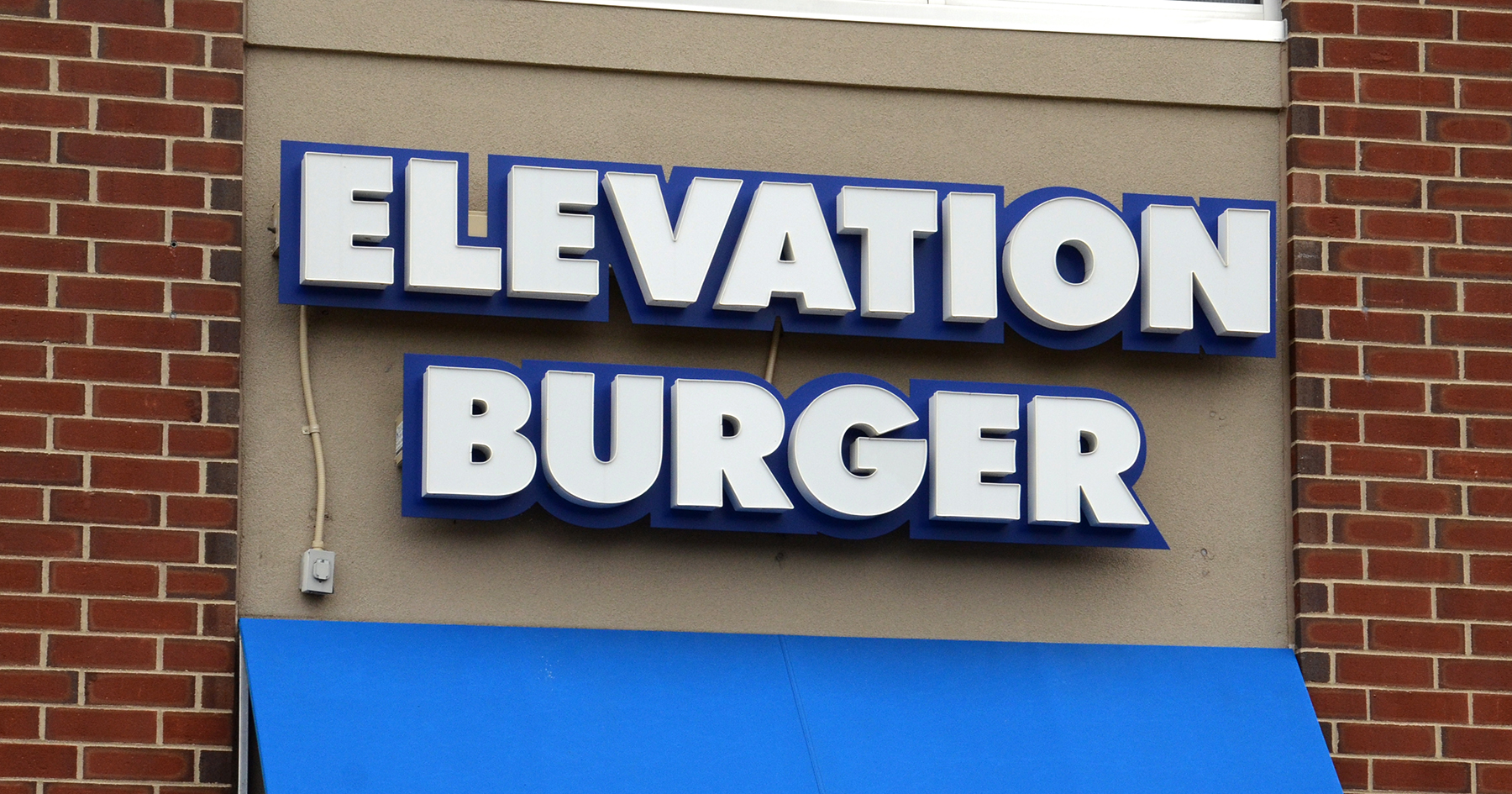

Elevation Burger is an American fast-casual restaurant franchise founded in 2005 in Falls Church, Virginia. The first store opened in September 2005, launching a new niche in organic fast food with USDA-certified, grass-fed beef patties.
Its corporate headquarters is located at 9720 Wilshire Blvd, Suite 500, Beverly Hills, California, under parent company FAT Brands, which acquired it in June 2019. Elevation Burger began franchising in spring 2008, first expanding within the Washington metro area and later into Baltimore, Austin, New York, and beyond.
Elevation Burger offers burgers, fries, shakes, and chicken sandwiches—all made from fresh, organic ingredients. The lead products include 100% grass-fed beef, olive-oil-fried French fries, cage-free chicken, veggie and plant-based burgers, and hand-scooped milkshakes.
Elevation Burger differentiates from competitors through its premium, health-focused positioning and environmental sustainability. They emphasize superior quality by grilling fresh patties daily, cooking fries in heart-healthy olive oil, sourcing cage-free and organic ingredients, and using eco-friendly restaurant design.
Here's what you would need to invest if you were to start this franchise. These costs are provided by the franchisor in the Franchise Disclosure Document.
Elevation Burger, through EB Franchises, LLC, offers training designed to support franchisees in operating their restaurants efficiently and consistently with brand standards. The programs provided include:
Elevation Burger provides its franchisees with territory protection through what it refers to as a “Protected Territory.” This protected area is defined in the Franchise Agreement and restricts the franchisor from operating or authorizing another Elevation Burger franchise within the designated boundaries.
The protection ensures that the franchisee has a specific geographic zone where they can operate without direct internal brand competition. However, the Protected Territory does not shield the franchisee from competition generated by third-party delivery services.
Even if orders are placed from within the franchisee’s territory through approved websites or mobile apps, the franchisor may still process those transactions through other locations.
Below are some of
Elevation Burger
key competitors in the
Burger
sector.
36
$50,000
$509,000
$1,695,000
n.a.
$877,000
$xxx,xxx
70.3%
n.a.
n.a.
n.a.

Sammy's Sliders is a fast-casual restaurant brand offering gourmet sliders, fries, and shakes, serving burger lovers seeking smaller portions and variety, and known for customizable mini-sandwich combinations, playful branding, and efficient service suited to urban and neighborhood locations.
?
?

Home Frite is a fast-casual franchise offering gourmet fries, burgers, chicken sandwiches and milkshakes, serving urban diners and comfort-food lovers, and known for hand-cut potatoes, signature sauces, and scalable franchise model.
?
?

iniBurger is a burger-restaurant franchise offering gourmet burgers, shakes, and innovative sides, serving millennials and casual diners, and known for bold menu items, modern branding and strong franchisee support.
?
?

Harlem Shake is a burger-and-shake chain franchise offering premium burgers, fries, shakes and craft menu items, serving families and casual diners, and known for nostalgic branding, community vibe, and scalable restaurant prototype.
?
?

Good Stuff Eatery is a fast-casual burger franchise offering handcrafted burgers, crispy fries and shakes, serving casual diners and burger-lovers, and known for chef-driven quality, fun branding and a mission to bring “goodness everywhere”.
?
?
.png)
Built Custom Burgers provides fast-casual, build-your-own burger meals featuring premium ingredients and a streamlined assembly-line format, allowing customers to customize burgers, fries, and shakes for a fresh and satisfying dining experience.
?
?
Choosing a franchise goes beyond reviewing fees and financials — it requires an honest assessment of your goals, skills, and risk tolerance. This article outlines the key questions prospective owners should ask before committing. It helps clarify whether the opportunity aligns with your lifestyle, long-term plans, and operational preferences.
Speaking with current and former franchisees is one of the most reliable ways to understand how a franchise really operates. This guide explains how to conduct validation calls, what questions to ask, and how to identify patterns in feedback. It provides a practical framework for uncovering real performance expectations and support quality.
Not all franchise opportunities offer the same potential. This article breaks down how to evaluate a brand’s industry, financial health, support systems, and competitive positioning. It helps prospective buyers compare options and identify franchises with strong long-term viability.
A clear, well-structured business plan is essential for securing financing and preparing for the realities of franchise ownership. This article explains how to build a plan that covers market analysis, operations, staffing, and local marketing. It also outlines how to create realistic pro forma financials, including revenue projections, startup costs, and break-even analysis. Readers gain a practical framework they can use when applying for loans or planning their first years of operations.