Harlem Shake is a burger-and-shake chain franchise offering premium burgers, fries, shakes and craft menu items, serving families and casual diners, and known for nostalgic branding, community vibe, and scalable restaurant prototype.
KEY FRANCHISE STATS
Franchisees
?
0
+
n.a.
n.a.
Franchise fee
?
$40,000
Investment
?
$412,000 - $849,000
Revenue (AUV)
?
Undisclosed
$0
+
n.a.
n.a.
Sign up
Harlem Shakeis a vibrant fast-casual restaurant concept founded in 2012 and officially opened its first location in 2013 in Harlem, New York. The brand is headquartered in New York City, where it developed its signature blend of elevated comfort food and nostalgic décor.
After building a strong local following, Harlem Shake began franchising in 2022, giving entrepreneurs the chance to join a culturally rooted and fast-growing restaurant brand.
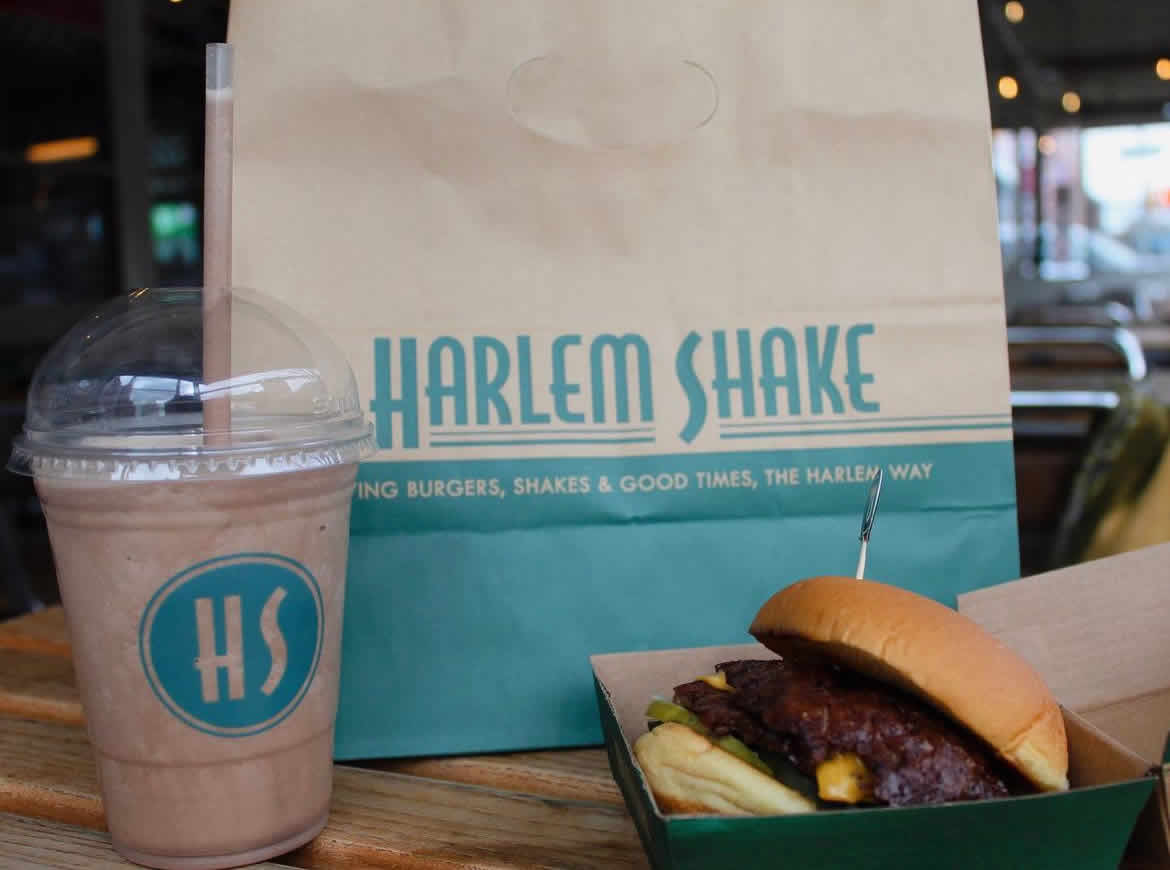
The franchise specializes in handcrafted smash-burgers, premium milkshakes made with real ice cream, and classic American comfort dishes.
Harlem Shake stands out by embracing Harlem’s cultural heritage, offering a retro-inspired dining room that captures the feel of a 1950s luncheonette. Its community-focused identity, strong visual branding, and social-media-friendly aesthetic help it stand apart from traditional burger chains.
Interested in Harlem Shake franchise?
Share your information and our team will help you explore Harlem Shake franchise opportunity, including startup costs, available territories, ownership requirements, and next steps.
The initial investment required for a Harlem Shake franchise is
$412,000 - $849,000.
That is the total cost you would need to finance if you were to start this franchise.
These costs are provided by the franchisor in the Franchise Disclosure Document.
Type of Expenditure
Amount
Initial Franchise Fee
$40,000
Your Training Expenses
$7,000 - $20,000
Premises Deposits
$10,000 - $35,000
Utilities Deposits
$1,000 - $5,000
Design and Architect Fees
$10,000 - $15,000
Leasehold Improvements, Construction and/or Remodeling
$150,000 - $450,000
Furniture, Fixtures, Equipment and Supplies
$125,000 - $150,000
Exterior Signage
$8,000 - $15,000
Business Licenses and Permits
$3,000 - $5,000
Computer Systems
$10,000 - $20,000
Security System
$8,000 - $15,000
Initial Inventory to Begin Operating
$10,000 - $15,000
Office Equipment and Supplies
$1,000 - $2,000
Professional Fees
$2,000 - $3,000
Grand Opening Advertising
$10,000
Insurance
$1,000 - $2,000
Accounting Service
$650 - $1,950
Operating Expenses / Additional Funds – 3 Months
$15,000 - $45,000
Total
$411,650 - $848,950
Create a free account to access this table and more.
Thank you! Your submission has been received!
Oops! Something went wrong while submitting the form.
Type of Expenditure
Amount
Initial Franchise Fee
$40,000
Your Training Expenses
$7,000 - $20,000
Premises Deposits
$10,000 - $35,000
Utilities Deposits
$1,000 - $5,000
Design and Architect Fees
$10,000 - $15,000
Leasehold Improvements, Construction and/or Remodeling
$150,000 - $450,000
Furniture, Fixtures, Equipment and Supplies
$125,000 - $150,000
Exterior Signage
$8,000 - $15,000
Business Licenses and Permits
$3,000 - $5,000
Computer Systems
$10,000 - $20,000
Security System
$8,000 - $15,000
Initial Inventory to Begin Operating
$10,000 - $15,000
Office Equipment and Supplies
$1,000 - $2,000
Professional Fees
$2,000 - $3,000
Grand Opening Advertising
$10,000
Insurance
$1,000 - $2,000
Accounting Service
$650 - $1,950
Operating Expenses / Additional Funds – 3 Months
$15,000 - $45,000
Total
$411,650 - $848,950
Franchise Disclosure Document
Below is Harlem Shake's 2025 Franchise Disclosure Document. Sign up for free to view the document.
Number of units
Harlem Shake had 2 total units in 2025, of which 0 were franchised-owned and 2 company-owned.
Harlem Shake provides franchisees with a robust and structured training program to prepare them for operating their business effectively and in compliance with the brand’s standards.
Initial Management Training Program: This is a mandatory course for the franchisee, all principals, and the general manager. It must be completed at least four weeks before opening and takes place at the franchisor’s headquarters or an approved location. The training is provided at no charge for up to two principals and one general manager, but the franchisee must cover travel, lodging, and other associated expenses.
Opening Assistance: Upon launching the business, Harlem Shake sends a trained representative to provide on-site support for up to seven days. This includes operational supervision and hands-on guidance at no cost to the franchisee. This ensures the franchise opens in alignment with brand protocols.
Additional and Ongoing Training: The franchisor may require attendance at additional training sessions, which can be up to four days per year and may include an annual business meeting or convention for up to three days. Although there may be tuition fees, franchisees are responsible for all related travel and accommodation expenses. Missing mandatory training is considered a breach of the franchise agreement.
On-Site Remedial Training: If needed or requested, the franchisor may provide additional on-site training at the franchisee’s location. This is subject to availability and incurs a per diem fee plus expenses for the franchisor’s personnel. Such training helps resolve performance issues or address new staff onboarding.
Territory Protection
Harlem Shake grants its franchisees a defined territory that is determined based on factors such as population, average home prices, household incomes, shopping patterns, and physical boundaries.
This territory, attached as an exhibit to the Franchise Agreement, gives franchisees the right to operate a single Harlem Shake outlet at an approved location. As long as the franchisee remains in good standing and complies with the agreement, neither Harlem Shake nor its affiliates will authorize another Harlem Shake outlet within that defined territory.
However, Harlem Shake retains certain reserved rights. They may operate or authorize other businesses—including those selling similar products—that do not use the Harlem Shake marks within or outside the franchisee’s territory.


.png)