Good Stuff Eatery Franchise FDD, Costs & Fees (2026)
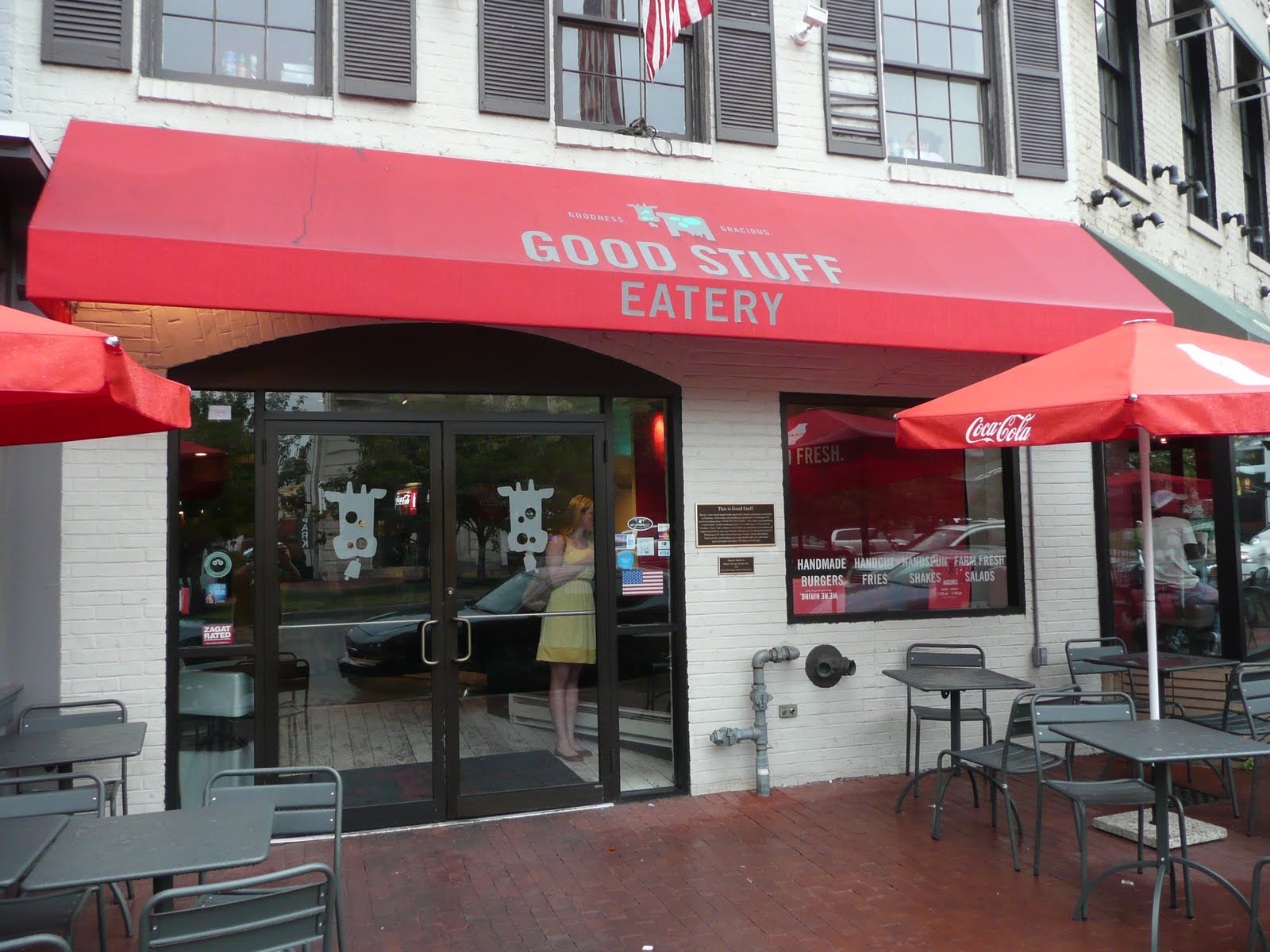
Good Stuff Eatery is a fast-casual burger franchise offering handcrafted burgers, crispy fries and shakes, serving casual diners and burger-lovers, and known for chef-driven quality, fun branding and a mission to bring “goodness everywhere”.
KEY FRANCHISE STATS
Franchisees
?
5
+
0%
0%
Franchise fee
?
$50,000
Investment
?
$633,000 - $962,000
Revenue (AUV)
?
Undisclosed
$0
+
n.a.
n.a.
Sign up
Good Stuff Eateryis a fast-casual burger restaurant brand founded in 2008 on Capitol Hill in Washington D.C. by the Mendelsohn family. Its headquarters remain at 303 Pennsylvania Ave S.E., Washington D.C. 20003. The concept began with one location and opened franchising for growth in 2014.
The brand offers handcrafted burgers made with a proprietary custom meat blend, hand-cut fries sourced from a fourth-generation family farm and hand-spun milkshakes in more than 30 flavours — all built on quality ingredients and chef-driven recipes. Good Stuff Eatery also includes fresh salads and a nostalgic farm-to-table feel.
What differentiates Good Stuff Eatery from typical burger chains is its emphasis on local sourcing, gourmet-style preparation and a chef-led kitchen culture rather than standard quick-serve fare. The brand positions itself as a “better burger” choice with elevated shakes and a modern atmosphere, aiming to bring “the good stuff” to dining experiences.
Interested in Good Stuff Eatery franchise?
Share your information and our team will help you explore Good Stuff Eatery franchise opportunity, including startup costs, available territories, ownership requirements, and next steps.
The initial investment required for a Good Stuff Eatery franchise is
$633,000 - $962,000.
That is the total cost you would need to finance if you were to start this franchise.
These costs are provided by the franchisor in the Franchise Disclosure Document.
Type of Expenditure
Amount
Initial Franchise Fee
$40,000 – $50,000
Rent – 3 Months
$36,000 – $48,000
Security Deposits
$15,000 – $30,000
Leasehold Improvements
$325,000 – $500,000
Equipment, Furniture and Fixtures
$125,000 – $160,000
POS Computer System
$15,000 – $25,000
Insurance – 3 Months
$1,500 – $4,500
Permits and Licenses
$3,000 – $10,000
Initial Inventory
$15,000 – $20,000
Signage
$3,000 – $10,000
Grand Opening Advertising
$10,000 – $20,000
Blueprints
$10,000 – $25,000
Travel Expenses for Training
$5,000 – $8,000
Pre-Opening Expenses
$6,000 – $8,000
Professional Fees
$5,000 – $10,000
Additional Funds – 3 Months
$15,000 – $30,000
Digital Graphics Package
$3,500
Total
$633,000 – $962,000
Create a free account to access this table and more.
Thank you! Your submission has been received!
Oops! Something went wrong while submitting the form.
Type of Expenditure
Amount
Initial Franchise Fee
$40,000 – $50,000
Rent – 3 Months
$36,000 – $48,000
Security Deposits
$15,000 – $30,000
Leasehold Improvements
$325,000 – $500,000
Equipment, Furniture and Fixtures
$125,000 – $160,000
POS Computer System
$15,000 – $25,000
Insurance – 3 Months
$1,500 – $4,500
Permits and Licenses
$3,000 – $10,000
Initial Inventory
$15,000 – $20,000
Signage
$3,000 – $10,000
Grand Opening Advertising
$10,000 – $20,000
Blueprints
$10,000 – $25,000
Travel Expenses for Training
$5,000 – $8,000
Pre-Opening Expenses
$6,000 – $8,000
Professional Fees
$5,000 – $10,000
Additional Funds – 3 Months
$15,000 – $30,000
Digital Graphics Package
$3,500
Total
$633,000 – $962,000
Franchise Disclosure Document
Below is Good Stuff Eatery's 2024 Franchise Disclosure Document. Sign up for free to view the document.
Number of units
Good Stuff Eatery had 6 total units in 2024, of which 5 were franchised-owned and 1 company-owned.
Good Stuff Eatery offers a multi-faceted training program to ensure franchisees and their staff are fully prepared to operate their restaurants. Below are the training components provided by the franchisor:
Initial Training Program The franchisee, General Manager, and one additional employee must complete an initial training program held in Washington, DC. The program includes 24 hours of orientation, 20 hours of administration, 24 hours on the point-of-sale system, and 50 hours of operational training, with an additional 60–80 hours of opening training conducted at an operating restaurant. Additional trainees may attend at the franchisee’s cost, and failure to complete the program satisfactorily may lead to agreement termination.
Opening Assistance Around the restaurant’s launch, a trained representative provides 7 to 14 days of on-site pre-opening and opening assistance. This includes supervision and hands-on training to ensure proper operational startup. The franchisee covers travel, lodging, and meal expenses for the trainer.
Remedial and Additional On-Site Training If deemed necessary or upon the franchisee’s request, the franchisor will provide additional on-site remedial training. The franchisee must pay a per diem fee for each trainer and cover associated travel and lodging expenses. This is designed to address specific operational challenges or staff development needs.
Territory Protection
Good Stuff Eatery offers limited territorial protection to its franchisees depending on the type of agreement and location. For single-unit franchisees, a Designated Territory may be assigned—usually a one-mile radius around the restaurant—but this area is not exclusive.
The franchisor retains the right to operate or authorize other restaurants, especially at non-traditional venues such as airports, malls, or stadiums, even within that same geographic area.
For multi-unit operators, the franchisee may be granted an Exclusive Territory defined in the Development Schedule, within which no other franchises will be established as long as the operator complies with the agreement.


.png)