KEY FRANCHISE STATS
?
?
?
?
$0
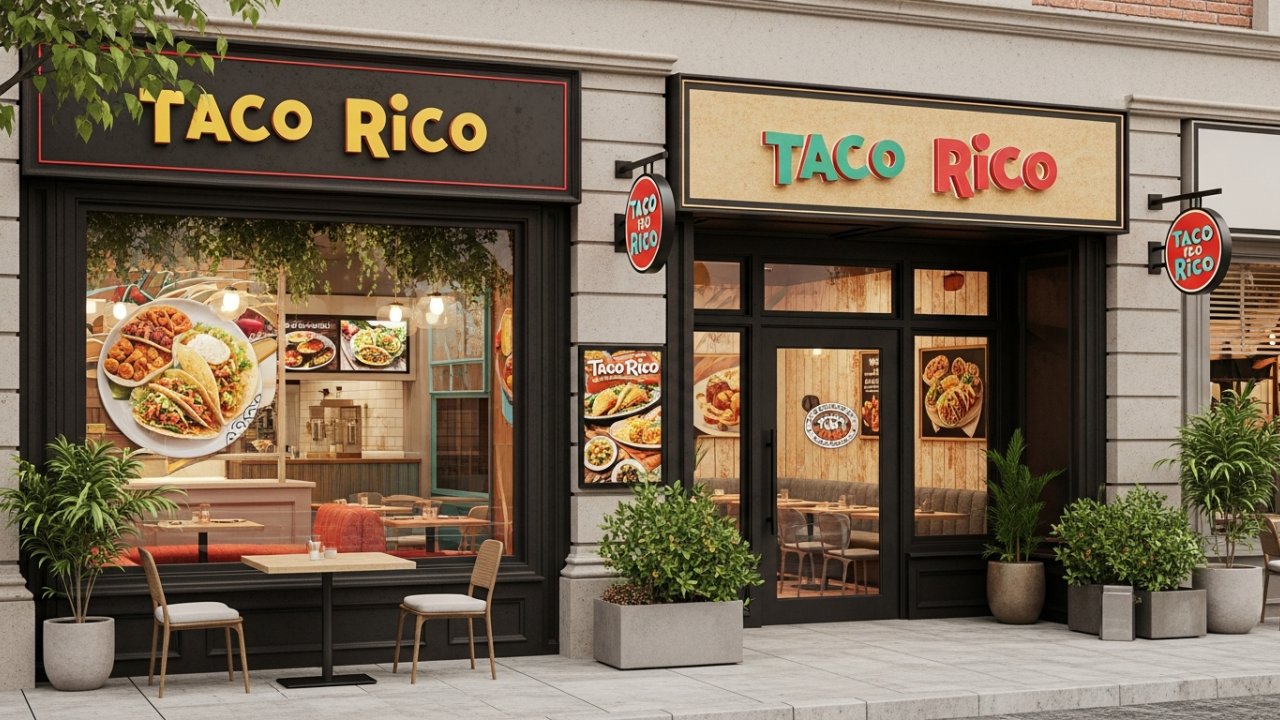
Taco Rico, also known nationally as Taco Works, is a fast-casual Tex-Mex restaurant franchise offering a wide selection of Mexican-inspired favorites. The brand was founded in 1992 in Coral Gables, Miami, Florida, where it built a strong local following through fresh recipes and consistent quality. Taco Rico focuses on delivering flavorful food in a casual, welcoming environment.
The company is headquartered in South Florida and officially began franchising in 2015. While Taco Rico operates primarily under its original name in Florida, the Taco Works brand is used for franchised locations outside the state. This dual-branding strategy has allowed the concept to expand into multiple U.S. markets while maintaining its regional identity.
Taco Rico/Taco Works specializes in Tex-Mex staples such as tacos, burritos, quesadillas, enchiladas, fajitas, and chimichangas, along with vegetarian and vegan options. The franchise also supports catering services, helping operators capture additional revenue from events and group orders. Units are designed to support dine-in, takeout, and delivery sales.
Create a free account to access this table and more.
Below are some of
Taco Rico or Taco Works
key competitors in the
Mexican
sector.
7
5.00%
$249,000
-
$373,000
$0
n.a.
$xxx,xxx
n.a.
n.a.
Taco Rico offers a structured and multi-faceted training program designed to prepare franchisees and their staff to run the business effectively. The training includes the following components:
Initial Training Program
Franchisees and up to three management personnel must attend a 14-day training session held at a location designated by the franchisor, typically in Doral, FL. This training covers operations, marketing, sales techniques, and management skills. The program is offered at no charge, but the franchisee is responsible for all travel, lodging, meals, and related costs.
In-Restaurant and On-Site Support
Franchisees receive on-site assistance during the restaurant’s initial opening, typically lasting one week. This support helps ensure proper setup and execution of brand standards. Any additional training requested by the franchisee may be provided at their expense.
Ongoing and Supplemental Training
The franchisor may provide refresher courses, seminars, and continuing advisory support throughout the franchise term. Attendance at annual meetings and up to five days of additional training per year may be required. Training resources may also be made available to hourly employees at the restaurant location.
Taco Rico provides its franchisees with an exclusive territory, defined in the Franchise Agreement and typically covering the lesser of a four-mile radius or a population of 50,000. This exclusivity prevents the franchisor from opening or franchising another Taco Rico location within that area for the duration of the agreement, provided the franchisee remains in compliance.
The specific boundaries are detailed in an exhibit to the agreement and are not conditioned on sales performance or other metrics. However, Taco Rico retains significant flexibility outside of the core exclusivity clause. The franchisor may still establish or authorize similar or dissimilar businesses under different trademarks within or near the territory.
They also reserve the right to operate in non-traditional locations such as airports, malls, stadiums, and other high-traffic venues even within a franchisee’s protected territory. Additionally, the franchisor may grant temporary, revocable rights for catering services beyond the exclusive area, which do not grant lasting territorial claims.
?
?
?
?
?
n.a.
2026
Sign up for free to read 5,000+ FDDs. Else, you can also buy this FDD here.

?
?
?
?
$0

?
?
?
$781,000
?
?
?
?
?
?
?
.png)