Salad House is a health-focused café franchise offering build-your-own salads, wraps and smoothies, serving wellness-oriented diners and families, and known for fresh ingredients, customisation and fast-casual convenience.
KEY FRANCHISE STATS
Franchisees
?
18
+
157%
157%
Franchise fee
?
$40,000
Investment
?
$304,000 - $751,000
Revenue (AUV)
?
Undisclosed
$1,516,000
+
-2.6%
-2.6%
Sign up
Salad House began in 2011 in Millburn, New Jersey, and has grown into a fast-casual restaurant concept now based in Westfield, New Jersey. The idea was developed by Joey Cioffi, who built the brand around the traditions of his family’s deli and a commitment to serving fresh, wholesome food with a strong community focus.
The company moved into franchising in 2016 after operating its initial locations successfully for several years. Since then, the concept has continued to expand across New Jersey and nearby regions.
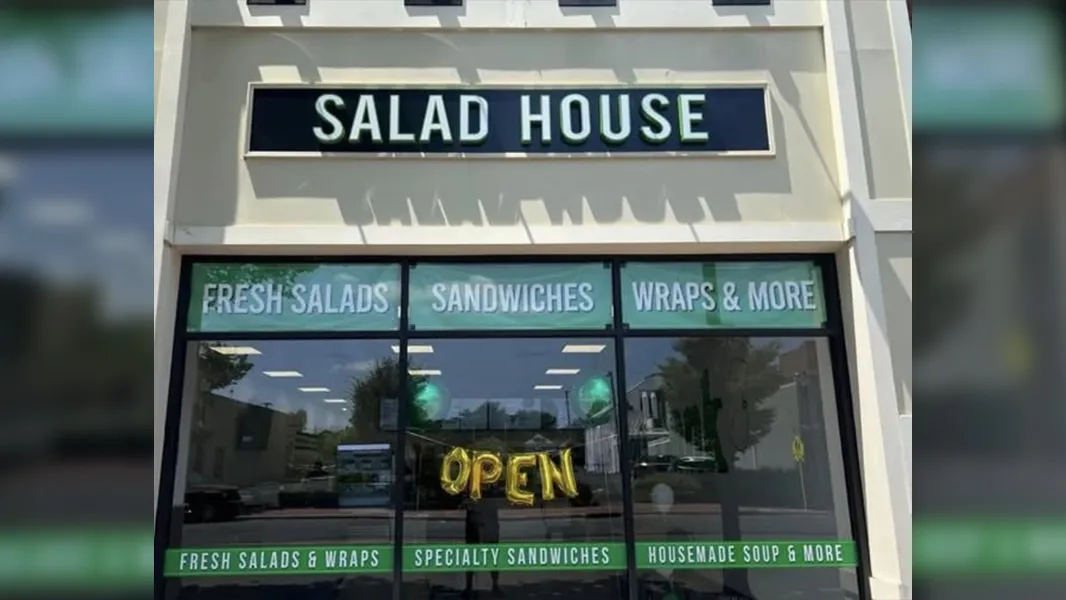
Salad House locations feature a wide-ranging menu that includes build-your-own salads, sandwiches, wraps, soups, grain bowls, and smoothies. With options suitable for vegan, vegetarian, and gluten-free diets, the brand appeals to both customers seeking nutritious meals and those looking for bold, satisfying flavors.
Interested in Salad House franchise?
Share your information and our team will help you explore Salad House franchise opportunity, including startup costs, available territories, ownership requirements, and next steps.
The initial investment required for a Salad House franchise is
$304,000 - $751,000.
That is the total cost you would need to finance if you were to start this franchise.
These costs are provided by the franchisor in the Franchise Disclosure Document.
Type of Expenditure
Amount
Initial Franchise Fee
$40,000
Construction and Leasehold Improvements
$150,000 – $325,000
Lease Deposits and Rent – Three Months
$12,500 – $60,000
Furniture and Fixtures
$3,000 – $12,000
Equipment
$25,000 – $160,000
Signage
$11,500 – $20,000
Computer, Software, and Point of Sale System
$500 – $10,000
Grand Opening Marketing
$10,000
Initial Inventory
$10,000 – $12,000
Utility Deposits
$500 – $1,000
Insurance Deposits – Three Months
$1,500 – $3,500
Travel for Initial Training
$200 – $10,000
Professional Fees
$18,000 – $27,000
General Licenses and Permits
$1,000 – $10,000
Additional Funds – Three Months
$20,000 – $50,000
Total Estimated Investment
$303,700 – $750,500
Create a free account to access this table and more.
Thank you! Your submission has been received!
Oops! Something went wrong while submitting the form.
Type of Expenditure
Amount
Initial Franchise Fee
$40,000
Construction and Leasehold Improvements
$150,000 – $325,000
Lease Deposits and Rent – Three Months
$12,500 – $60,000
Furniture and Fixtures
$3,000 – $12,000
Equipment
$25,000 – $160,000
Signage
$11,500 – $20,000
Computer, Software, and Point of Sale System
$500 – $10,000
Grand Opening Marketing
$10,000
Initial Inventory
$10,000 – $12,000
Utility Deposits
$500 – $1,000
Insurance Deposits – Three Months
$1,500 – $3,500
Travel for Initial Training
$200 – $10,000
Professional Fees
$18,000 – $27,000
General Licenses and Permits
$1,000 – $10,000
Additional Funds – Three Months
$20,000 – $50,000
Total Estimated Investment
$303,700 – $750,500
Franchise Disclosure Document
Below is Salad House's 2025 Franchise Disclosure Document. Sign up for free to view the document.
Number of units
Salad House had 20 total units in 2025, of which 18 were franchised-owned and 2 company-owned.
Salad House offers a structured and multi-tiered training program designed to prepare franchisees and their staff for successful operations. The training programs provided by the franchisor include:
Initial Training Program Before opening, the Managing Owner and one designated manager must complete Salad House’s initial training program, which spans approximately two weeks. This includes classroom training at designated corporate locations, such as Westfield or Red Bank, NJ, as well as 40 hours of on-the-job training at the franchisee’s own restaurant. The curriculum covers concept overview, brand building, marketing, customer service, operations, and system tools like Toast and vendor platforms.
Supplemental Training Franchisees may request or be required to attend supplemental training if they hire a new Operating Manager or if their operational performance falls short. This can be conducted onsite or remotely and includes a fee of $500 per trainer per day, plus travel expenses. This program ensures continued alignment with brand standards.
System-Wide Training Program After the restaurant has opened, Salad House may require participation in additional system-wide training programs. These sessions are typically held at affiliate locations and are limited to five days per year. They are intended to provide updates on procedures and reinforce brand consistency across the franchise network.
Territory Protection
Salad House offers a form of territory protection through the designation of a “Designated Territory” in the Franchise Agreement. Within this area, the franchisor generally agrees not to establish or allow another Salad House restaurant to operate during the term of the agreement, provided the franchisee remains compliant.
This area can be defined using zip codes, boundaries, or other geographic markers and is formalized in the agreement once a restaurant location is approved. However, this protection is limited. Salad House reserves the right to conduct business through other channels—like online or telemarketing—even within a franchisee's territory.
Franchisees may also face competition from other Salad House restaurants or franchisees operating under different formats, such as those in captive markets like airports or malls, and the franchisor does not compensate franchisees for overlapping marketing or sales activity within their area.


.png)