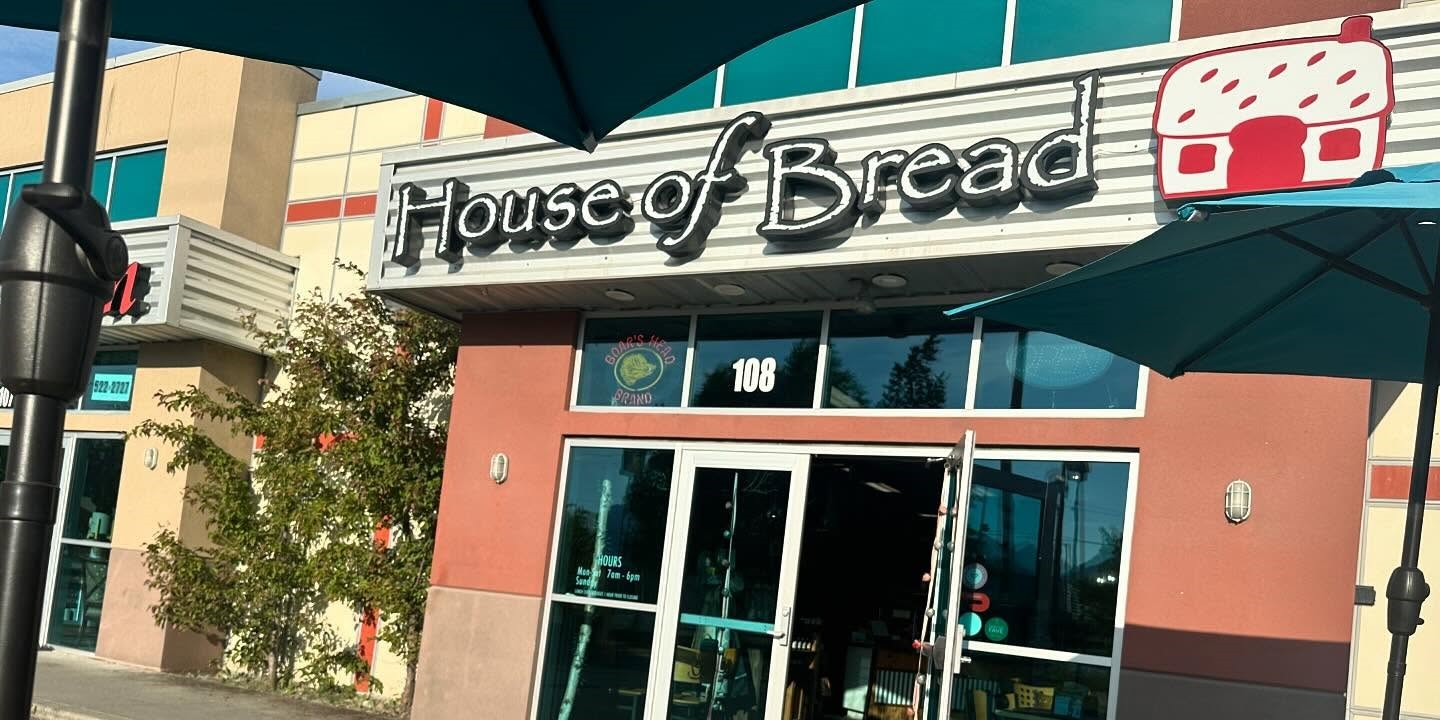
House of Bread is a bakery-café franchise offering freshly baked artisan breads, pastries, sandwiches and café meals, serving families and casual diners, and known for hand-crafted baking, community-driven brand and multi-stream revenue.
KEY FRANCHISE STATS
Franchisees
?
5
+
25%
25%
Franchise fee
?
$35,000
Investment
?
$198,000 - $584,000
Revenue (AUV)
?
Undisclosed
$786,000
+
n.a.
n.a.
Sign up
House of Bread was founded in 1996 in San Luis Obispo, California, by Sheila McCann, who left a legal career to create a bakery that focused on traditional, scratch-baked bread.
The brand set out to bring back the taste and quality of homemade loaves using simple, natural ingredients. The company is still headquartered in San Luis Obispo. It began offering franchise opportunities in 1998.
House of Bread is a bakery-café concept that sells freshly baked bread, pastries, rolls, and other baked goods made on-site each day. The menu also includes sandwiches, soups, and salads, giving customers a full café experience built around fresh bread. The franchise blends retail, wholesale, and catering to serve a wide range of customer needs.
A key differentiator for House of Bread is its commitment to baking everything from scratch inside each store rather than relying on frozen dough or par-baked products. This creates a fresher product and a more authentic bakery environment that appeals to quality-focused consumers.
Interested in House of Bread franchise?
Share your information and our team will help you explore House of Bread franchise opportunity, including startup costs, available territories, ownership requirements, and next steps.
The initial investment required for a House of Bread franchise is
$198,000 - $584,000.
That is the total cost you would need to finance if you were to start this franchise.
These costs are provided by the franchisor in the Franchise Disclosure Document.
Type of Expenditure
Amount
Initial Franchise Fee
$35,000
Travel and Living Expense While Training
$1,000 – $5,000
Equipment
$45,000 – $170,000
Build Out and Lease
$74,000 – $326,000
Pre-opening and First Year Advertising
$15,000
Marketing Materials
$5,000
Miscellaneous Opening Expense
$5,000 – $8,000
Informational System
$8,000
Legal, Accounting, Professional Fees
$1,000 – $3,000
Food Supplies
$9,000
Total
$198,000 – $584,000
Create a free account to access this table and more.
Thank you! Your submission has been received!
Oops! Something went wrong while submitting the form.
Type of Expenditure
Amount
Initial Franchise Fee
$35,000
Travel and Living Expense While Training
$1,000 – $5,000
Equipment
$45,000 – $170,000
Build Out and Lease
$74,000 – $326,000
Pre-opening and First Year Advertising
$15,000
Marketing Materials
$5,000
Miscellaneous Opening Expense
$5,000 – $8,000
Informational System
$8,000
Legal, Accounting, Professional Fees
$1,000 – $3,000
Food Supplies
$9,000
Total
$198,000 – $584,000
Franchise Disclosure Document
Below is House of Bread's 2024 Franchise Disclosure Document. Sign up for free to view the document.
Number of units
House of Bread had 7 total units in 2024, of which 5 were franchised-owned and 2 company-owned.
House of Bread provides a structured, multi-phase training program designed to prepare franchisees for all aspects of bakery operations. The training is mandatory for both the franchisee and their designated head baker, and failure to complete it is considered a breach of contract. Here is an overview of the training phases:
Phase One: Initial Indoctrination and Site Selection (3 days) Conducted in the franchisee’s community, this phase includes indoctrination, a real estate overview, business planning, financing preparation, and cash flow analysis.
Phase Two: Real Estate Training Begins after signing the Franchise Agreement. Franchisees receive guidance through the Real Estate Guide and assistance in identifying suitable locations.
Phase Three: Equipment and Operations Setup The franchisor provides specifications for all required equipment, inventory, and permits. Franchisees are responsible for procurement and compliance.
Phase Four: Classroom and Practical Training at Headquarters Training is conducted at the corporate headquarters in San Luis Obispo, California. It includes operational, managerial, financial, and marketing practices, and is led by experienced staff.
Phase Five: On-Site Preparation and Marketing Plan Franchisees prepare their marketing plan and undergo hands-on operations training, including lunch and retail duties. A revised plan is submitted at the end.
Territory Protection
House of Bread grants its franchisees a designated territory, referred to as an “exclusive Territory,” as part of the franchise agreement. Within this area, the franchisor agrees not to establish another House of Bread outlet. The exclusivity is intended to protect the franchisee’s investment and support local market development.
However, this protection is limited to full-service outlets and may not apply to other types of sales channels.
House of Bread reserves the right to market branded products through alternative means, such as retail or online sales, even within the franchisee’s territory. Franchisees are responsible for ensuring their performance meets the franchisor’s standards to maintain these territorial rights.


.png)


.png)