Doughnuttery is a dessert-franchise offering hot mini doughnuts with proprietary sugar blends, serving dessert lovers across retail venues, and known for its visual “retail-tainment” experience, fresh made-on-site doughnuts and strong franchisor support.
KEY FRANCHISE STATS
Franchisees
?
1
+
0%
0%
Franchise fee
?
$30,000
Investment
?
$173,000 - $320,000
Revenue (AUV)
?
Undisclosed
$321,000
+
n.a.
n.a.
Sign up
Doughnutteryis a dessert-focused franchise known for its hot, fresh, mini doughnuts made to order. The brand was founded in 2012 by Evan Feldman and Marlo Feldman in New York City. The company is headquartered in New York and has grown from a single market stall into a recognizable mini-doughnut concept.
The first permanent Doughnuttery location opened in Chelsea Market in 2013. The brand began offering franchising in 2018, expanding the concept to approved U.S. and international markets.
Doughnuttery sells mini doughnuts served in bags or boxes, topped with signature sugar blends or glazes, along with dipping sauces, coffee, iced tea, and apple cider.
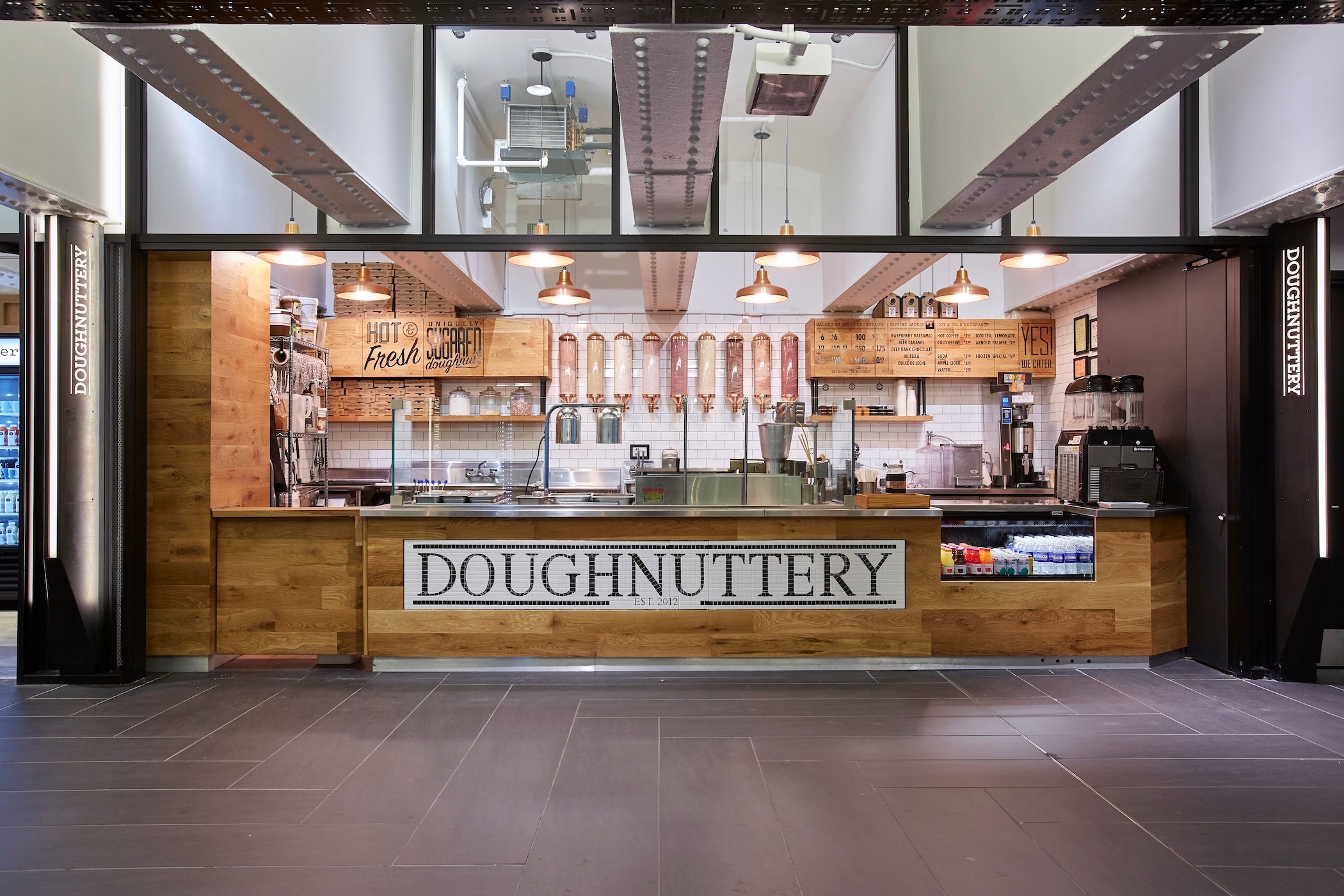
Doughnuttery stands out in the dessert category by offering an interactive, made-in-front-of-you experience. Its mini doughnuts are cooked on a small automated fryer, giving customers a view of the entire process.
Interested in Doughnuttery franchise?
Share your information and our team will help you explore Doughnuttery franchise opportunity, including startup costs, available territories, ownership requirements, and next steps.
The initial investment required for a Doughnuttery franchise is
$173,000 - $320,000.
That is the total cost you would need to finance if you were to start this franchise.
These costs are provided by the franchisor in the Franchise Disclosure Document.
Type of Expenditure
Amount
Initial Franchise Fee
$30,000
Real Estate/Rent
$3,000 – $10,000
Lease, Utility and Security Deposits
$9,000 – $30,000
Design & Architectural Fees
$7,500 – $10,000
Leasehold Improvements
$40,000 – $75,000
Furniture and Fixtures
$2,500 – $5,000
Signage
$2,500 – $6,000
Computer System
$2,000 – $4,500
Professional Fees
$3,000 – $6,200
Equipment
$28,750 – $50,000
Business License and Permits
$1,000 – $1,500
Initial Inventory
$5,000 – $12,000
Grand Opening Advertising
$2,500 – $5,000
Initial Training
$2,650 – $10,000
Insurance
$3,500 – $5,000
Additional Funds – 3 months
$30,000 – $60,000
Total Estimated Initial Investment
$172,900 – $320,200
Create a free account to access this table and more.
Thank you! Your submission has been received!
Oops! Something went wrong while submitting the form.
Type of Expenditure
Amount
Initial Franchise Fee
$30,000
Real Estate/Rent
$3,000 – $10,000
Lease, Utility and Security Deposits
$9,000 – $30,000
Design & Architectural Fees
$7,500 – $10,000
Leasehold Improvements
$40,000 – $75,000
Furniture and Fixtures
$2,500 – $5,000
Signage
$2,500 – $6,000
Computer System
$2,000 – $4,500
Professional Fees
$3,000 – $6,200
Equipment
$28,750 – $50,000
Business License and Permits
$1,000 – $1,500
Initial Inventory
$5,000 – $12,000
Grand Opening Advertising
$2,500 – $5,000
Initial Training
$2,650 – $10,000
Insurance
$3,500 – $5,000
Additional Funds – 3 months
$30,000 – $60,000
Total Estimated Initial Investment
$172,900 – $320,200
Franchise Disclosure Document
Below is Doughnuttery's 2024 Franchise Disclosure Document. Sign up for free to view the document.
Number of units
Doughnuttery had 4 total units in 2024, of which 1 were franchised-owned and 3 company-owned.
Doughnuttery provides a comprehensive training program for its franchisees designed to prepare them for the effective operation of their shops. The training is required for the franchisee (or Managing Owner) and the designated Shop Manager before the store opens. Here’s how the programs are structured:
Initial Training Program The initial training includes both classroom and on-the-job training conducted in New York, or another location designated by the franchisor. Topics include an introduction to Doughnuttery, compliance systems, food safety, operations, real estate, store construction, and vendor introductions. This training is provided for the franchisee, Shop Manager, and one additional person at no extra cost, with a maximum fee of $500 per additional attendee.
Ongoing Training Program Franchisees and previously trained staff may be required to attend additional training throughout the year, provided either in-person or online. These sessions may not exceed 10 days annually and can include national or regional franchise meetings, which may last up to three days. All related travel, registration, and accommodation costs are the responsibility of the franchisee.
Additional and Remedial Training If the franchisee or their team feels inadequately prepared after completing initial training, they can request additional instruction at the franchisor’s current per diem rates. The franchisor may also require newly appointed Shop Managers to complete the full training program.
Territory Protection
Doughnuttery provides limited territorial protection to franchisees operating in traditional locations. The territory, typically a defined radius, is exclusive for the term of the agreement as long as the franchisee remains compliant. However, this protection does not apply to non-traditional or “Captive Site” locations like airports or stadiums.
Even within protected territories, the franchisor reserves broad rights to sell through other channels, serve institutional clients, and authorize others to operate similar businesses. Thus, the territorial rights granted are not fully exclusive and may be subject to overlap from other franchised or company-operated activities.

.png)



.png)