TAPSTER is a fast-casual restaurant franchise offering custom build-your-own meals (e.g., bowls or wraps) paired with premium beverages, serving health- and service-focused diners, and known for modern design, flexible footprint and franchise growth potential.
KEY FRANCHISE STATS
Franchisees
?
1
+
n.a.
n.a.
Franchise fee
?
$40,000
Investment
?
$229,000 - $1,331,000
Revenue (AUV)
?
Undisclosed
$0
+
n.a.
n.a.
Sign up
Tapster is a self-pour tasting-room franchise founded in 2017. The concept launched its first location in Chicago and is now headquartered in Philadelphia, Pennsylvania. The brand began franchising in 2018 and has grown by offering a modern, tech-driven bar experience.
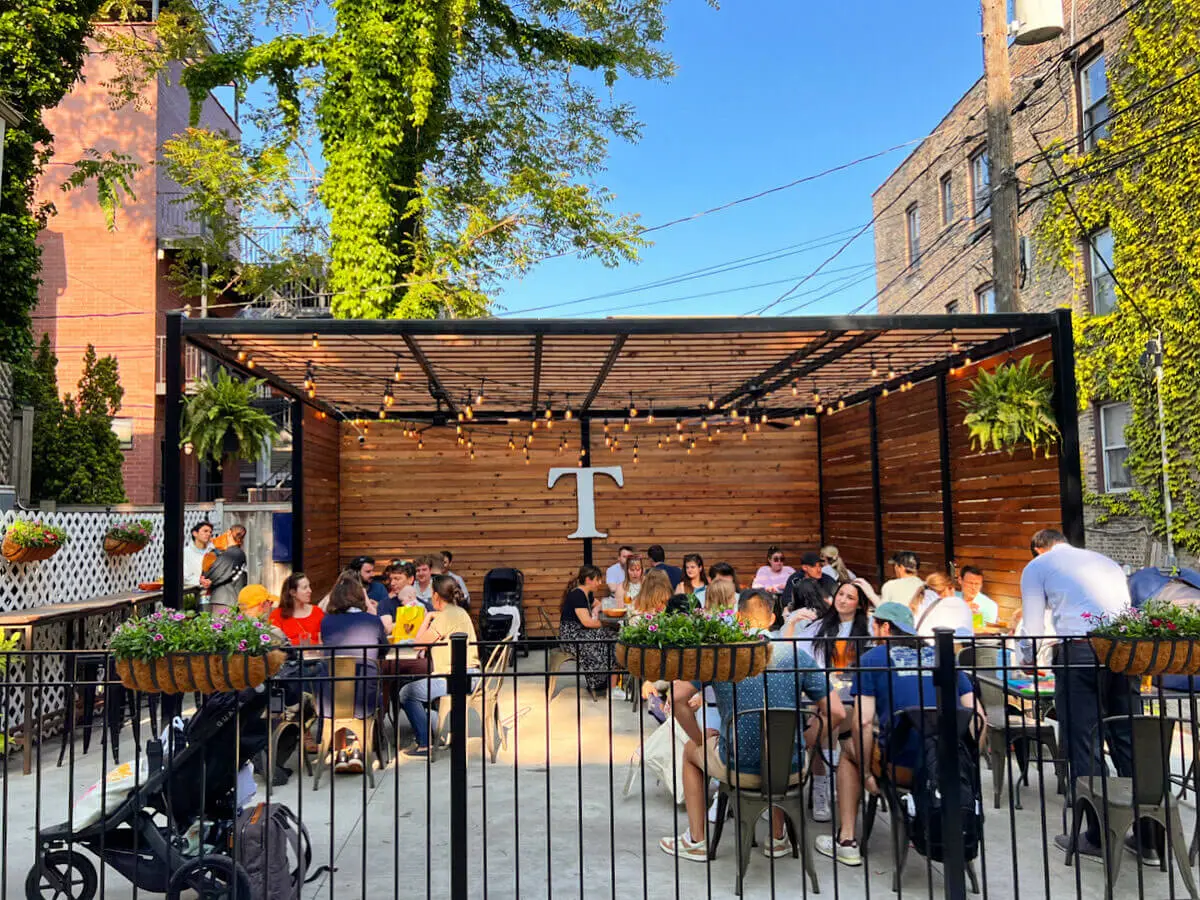
Tapster allows guests to pour their own beer, wine, cocktails, seltzer, kombucha, and other beverages directly from a self-serve tap wall. Customers pay by the ounce, which gives them flexibility to sample different drinks and control their own tasting experience. The model reduces labor needs, minimizes waste, and creates a more efficient bar operation.
The franchise stands out by combining technology, autonomy, and a strong community environment. Instead of relying on bartenders, Tapster empowers guests to explore new beverages at their own pace. Its streamlined operations, welcoming tasting-room atmosphere, and distinctive self-pour format differentiate it from traditional bars.
Interested in TAPSTER franchise?
Share your information and our team will help you explore TAPSTER franchise opportunity, including startup costs, available territories, ownership requirements, and next steps.
The initial investment required for a TAPSTER franchise is
$229,000 - $1,331,000.
That is the total cost you would need to finance if you were to start this franchise.
These costs are provided by the franchisor in the Franchise Disclosure Document.
Type of Expenditure
Amount
Initial Franchise Fee
$40,000
Launch Fee
$15,000
Real Estate/Rent
$5,000 - $25,000
Utility Deposits
$100 - $1,000
Leasehold Improvements
$25,000 - $500,000
Initial Inventory
$5,000 - $20,000
Insurance
$5,000 - $10,000
Office Equipment and Supplies
$500 - $1,000
Training Expenses
$2,000 - $3,000
Signage
$300 - $10,500
Furniture, Fixtures & Equipment
$50,000 - $300,000
Pre-Opening Advertising
$25,000 - $30,000
Uniforms
$150 - $500
Menu Boards
$150 - $1,000
Licenses & Permits
$5,000 - $250,000
Professional Fees
$21,000 - $24,000
Additional Funds (initial phase of operation - 3 months)
$30,000 - $100,000
Total
$229,200 - $1,331,000
Create a free account to access this table and more.
Thank you! Your submission has been received!
Oops! Something went wrong while submitting the form.
Type of Expenditure
Amount
Initial Franchise Fee
$40,000
Launch Fee
$15,000
Real Estate/Rent
$5,000 - $25,000
Utility Deposits
$100 - $1,000
Leasehold Improvements
$25,000 - $500,000
Initial Inventory
$5,000 - $20,000
Insurance
$5,000 - $10,000
Office Equipment and Supplies
$500 - $1,000
Training Expenses
$2,000 - $3,000
Signage
$300 - $10,500
Furniture, Fixtures & Equipment
$50,000 - $300,000
Pre-Opening Advertising
$25,000 - $30,000
Uniforms
$150 - $500
Menu Boards
$150 - $1,000
Licenses & Permits
$5,000 - $250,000
Professional Fees
$21,000 - $24,000
Additional Funds (initial phase of operation - 3 months)
$30,000 - $100,000
Total
$229,200 - $1,331,000
Franchise Disclosure Document
Below is TAPSTER's 2024 Franchise Disclosure Document. Sign up for free to view the document.
Number of units
TAPSTER had 4 total units in 2024, of which 1 were franchised-owned and 3 company-owned.
Tapster offers several training and support programs to help franchisees successfully operate their self-pour beer bar business. These programs are structured to cover pre-opening preparation as well as ongoing operational support. Below is a numbered breakdown of the training provided by the franchisor:
Confidential Operations Manual Tapster provides each franchisee with a copy of its Confidential Operations Manual. This manual, which consists of approximately 27 pages, includes detailed operational guidance such as beverage selection, menu items, cleaning protocols, IT setup, and marketing strategies.
Pre-Opening Assistance While Tapster does not commit to hiring or training employees directly, it assists franchisees during the site selection and opening process. This includes reviewing proposed lease agreements and providing advice on products, supplies, and bar setup, though the responsibility for execution remains with the franchisee.
Ongoing Support and Additional Training During the operation of the franchise, Tapster provides ongoing advice related to the management and operations of the business. This includes informal guidance or structured training sessions on marketing, IT support, operational procedures, and process improvements. Updated procedures and systems are shared through revisions to the Operations Manual.
Territory Protection
Tapster grants franchisees a defined territory and commits not to establish or license another Tapster bar within that designated area. This offers a degree of localized protection for the franchisee’s business operations.
However, this protection does not extend to other forms of distribution or marketing that Tapster might pursue within the same territory.
While Tapster avoids opening competing bars in your assigned territory, it retains the right to market or sell products through alternative channels such as the Internet, catalog sales, or telemarketing.

.png)
.png)