Submarina California Subs Franchise FDD, Costs & Fees (2026)
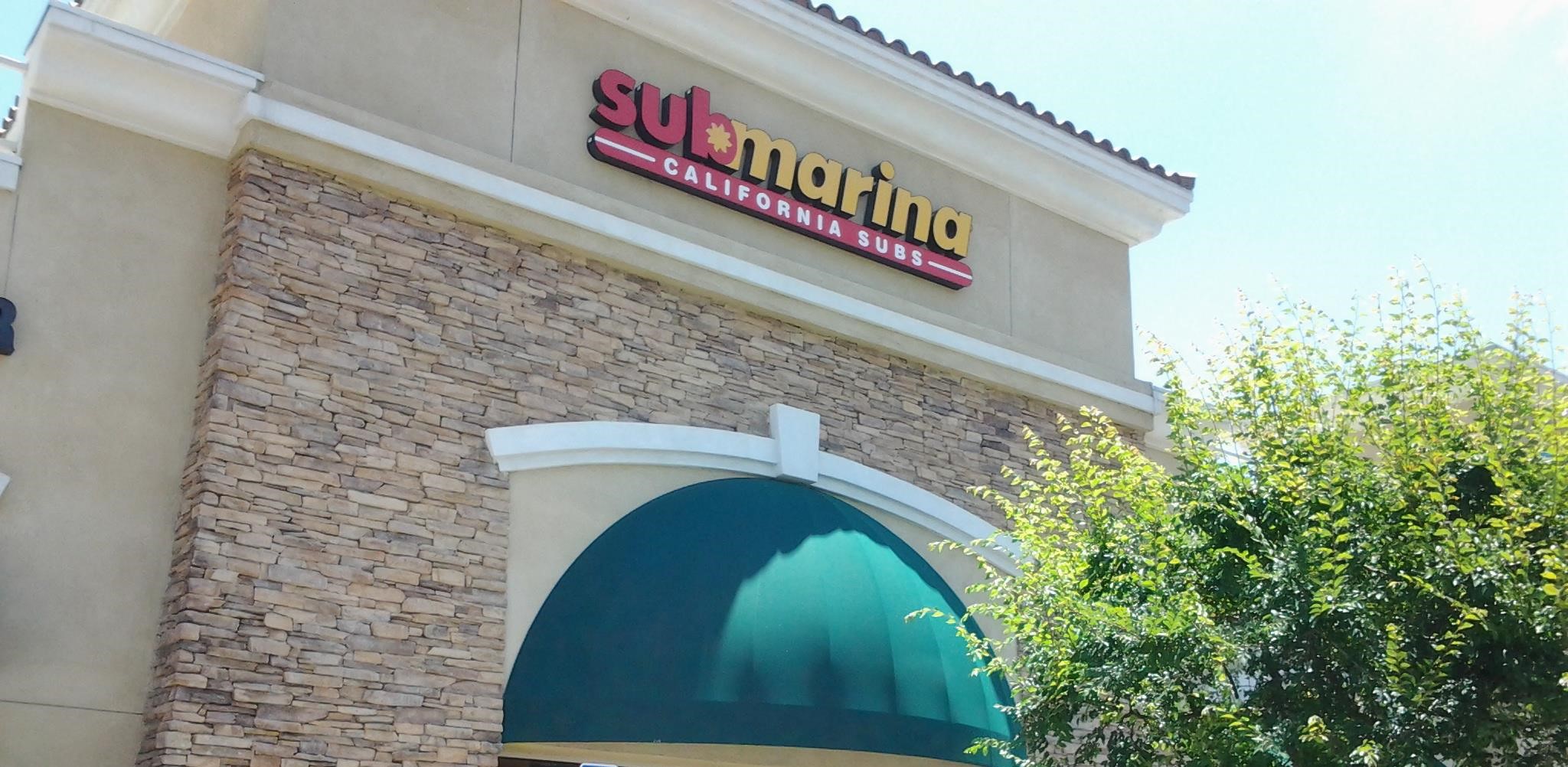
Submarina California Subs is a submarine-sandwich franchise offering crafted subs with fresh, quality ingredients, serving take-out and delivery customers, and known for California-style flavor, strong franchise support, and award-winning menu.
KEY FRANCHISE STATS
Franchisees
?
10
+
-9%
-9%
Franchise fee
?
$15,000
Investment
?
$183,000 - $370,000
Revenue (AUV)
?
Undisclosed
$0
+
n.a.
n.a.
Sign up
Submarina California Subs was created in 1977 in the San Diego region by founders Ron Vickers and Les Warfield, starting out as a neighborhood sandwich shop known for its fresh breads and quality ingredients. The first location opened in Poway, a suburban community outside San Diego, and the concept gradually expanded into a recognizable regional chain.
Today, the business remains privately owned and operates from its headquarters in San Diego, which serves as the hub for management, operations, and franchise support.
The brand entered franchising in 2017, launching its first franchise location based on the founders’ original store model and paving the way for broader growth beyond company-operated units.
Submarina specializes in submarine sandwiches and features a menu that includes both hot and cold deli subs, along with salads and soups, all made with premium meats, cheeses, fresh produce, and breads baked on-site or delivered fresh daily.
Interested in Submarina California Subs franchise?
Share your information and our team will help you explore Submarina California Subs franchise opportunity, including startup costs, available territories, ownership requirements, and next steps.
The initial investment required for a Submarina California Subs franchise is
$183,000 - $370,000.
That is the total cost you would need to finance if you were to start this franchise.
These costs are provided by the franchisor in the Franchise Disclosure Document.
Type of Expenditure
Amount
Initial Franchise Fees
$10,000 to $15,000
Document Preparation Fee
$250 to $750
Site Selection Assistance
$0 to $1,000
First Month’s Rent and Security Deposit
$2,000 to $14,000
Leasehold Improvements
$95,000 to $190,000
Store Design Consulting Services
$5,500 to $11,500
Furniture, Fixtures, and Signage
$47,500 to $65,000
Initial Training Costs
$0 to $5,000
Pre-Opening Consultation
$0 to $1,000
Opening Assistance Costs
$0 to $5,000
Computer Hardware and Software
$2,500 to $10,000
Initial Inventory/Supplies
$3,500 to $7,000
Professional Services
$2,500 to $7,000
Opening Advertising Expenses
$3,500 to $5,000
Insurance
$250 to $3,000
Additional Funds
$10,000 to $30,000
Total
$182,500 to $370,250
Create a free account to access this table and more.
Thank you! Your submission has been received!
Oops! Something went wrong while submitting the form.
Type of Expenditure
Amount
Initial Franchise Fees
$10,000 to $15,000
Document Preparation Fee
$250 to $750
Site Selection Assistance
$0 to $1,000
First Month’s Rent and Security Deposit
$2,000 to $14,000
Leasehold Improvements
$95,000 to $190,000
Store Design Consulting Services
$5,500 to $11,500
Furniture, Fixtures, and Signage
$47,500 to $65,000
Initial Training Costs
$0 to $5,000
Pre-Opening Consultation
$0 to $1,000
Opening Assistance Costs
$0 to $5,000
Computer Hardware and Software
$2,500 to $10,000
Initial Inventory/Supplies
$3,500 to $7,000
Professional Services
$2,500 to $7,000
Opening Advertising Expenses
$3,500 to $5,000
Insurance
$250 to $3,000
Additional Funds
$10,000 to $30,000
Total
$182,500 to $370,250
Franchise Disclosure Document
Below is Submarina California Subs's 2024 Franchise Disclosure Document. Sign up for free to view the document.
Number of units
Submarina California Subs had 14 total units in 2024, of which 10 were franchised-owned and 4 company-owned.
The Submarina franchise offers a comprehensive training program designed to prepare franchisees and key personnel for successful store operations. The training includes classroom instruction, on-the-job training, and optional supplemental learning opportunities. Below are the major components of the franchisor’s training offerings:
Initial Training Program: Conducted by experienced staff, including Matt Kennedy and other professionals, the initial program includes classroom and on-the-job training. It covers topics such as company history, franchisee responsibilities, pre-opening tasks, and operational procedures, and takes place in La Mesa, California or at Certified Training Stores.
Certified Training Stores: These are designated franchise locations that meet specific criteria to host on-the-job training. Training at these stores supplements the classroom instruction and provides real-world operational experience.
Ongoing and Remedial Training: Franchisees, Operating Principals, and other designated staff may be required to attend additional courses, webinars, or regional meetings. These programs may be offered by Submarina or third-party providers and are aimed at skill reinforcement and system updates.
Pre-Opening Consultation and Opening Assistance: Submarina provides remote and, if necessary, on-site consultation on store build-out, staffing, and inventory control. If on-site support is required, franchisees must cover associated travel and service fees.
Franchise Meetings and Continuing Education: Franchisees are encouraged to attend franchise-wide meetings and may be required to participate in ongoing education programs. These sessions may involve travel and registration costs, which the franchisee is responsible for covering.
Territory Protection
The Submarina franchise does not offer territory protection to its franchisees. Franchisees are required to operate from a franchisor-approved location, but they are not granted any exclusive rights to a specific geographic area.
This means they may face competition from other Submarina outlets, company-owned stores, or even other brands controlled by the franchisor—even if located nearby. Moreover, Submarina explicitly retains the right to open new franchises or company-owned locations in any area, including close proximity to an existing franchisee’s store.
The franchisor also reserves the authority to license the brand in captive markets such as airports or stadiums and to distribute branded products through alternative channels like grocery stores or retail outlets. This open-market approach reinforces that franchisees do not have any guaranteed market exclusivity.




.png)