Founded in 2005 as a humble food cart in Richmond Hill, Queens, Shah’s Halal Food has evolved into a prominent international franchise. Headquartered in Amityville, New York, the brand now boasts over 90 locations across the United States, Canada, the UK, and Sweden.
Shah’s Halal Food offers a diverse menu featuring platters, gyros, sandwiches, and salads, all prepared with ethically sourced, halal-certified ingredients. Signature dishes like Chicken over Rice and Lamb over Rice are complemented by proprietary sauces, including the renowned white sauce, which have become favorites among customers.
The franchise began its expansion in 2016, offering opportunities for food trucks, carts, and brick-and-mortar locations.
Shah’s Halal Food distinguishes itself through a commitment to quality, community engagement, and a fast-casual dining experience that appeals to a broad audience. The brand's inclusive approach has garnered a loyal customer base, transcending cultural and dietary boundaries.
Here's what you would need to invest if you were to start this franchise. These costs are provided by the franchisor in the Franchise Disclosure Document.
Shah’s Halal provides a structured training program to equip franchisees and their staff with the necessary skills and knowledge to operate a franchised business in accordance with the brand’s standards.
Shah’s Halal grants its franchisees a defined Protected Territory, which is outlined in the franchise agreement and typically ranges up to five miles around the approved restaurant location.
This area may be smaller in dense urban environments, potentially covering just a few blocks. Within this Protected Territory, Shah’s Halal agrees not to establish or authorize another franchised business, except at “Non-Traditional Sites” like airports or college campuses.
However, the protection is limited. The franchisor and its affiliates retain the right to sell products under the Shah’s Halal brand or other marks through various alternative channels such as online platforms, grocery stores, and other retail environments—even within the franchisee’s territory. Additionally, franchisees are not given exclusive territory rights and may still face competition from these other distribution methods.
Below are some of
Shah's Halal
key competitors in the
Other Food
sector.

13
$30,000
$192,000
$410,000
n.a.
$1,454,000
$xxx,xxx
n.a.
n.a.
n.a.
n.a.

Tahini's Mediterranean Cuisine is a fast-casual Mediterranean franchise offering shawarma, pitas, bowls, and fries, serving guests craving bold Middle Eastern flavors, and known for generous portions, fusion poutine twists, and a playful “Eat Unbland” brand personality across Canada and beyond.
?
?

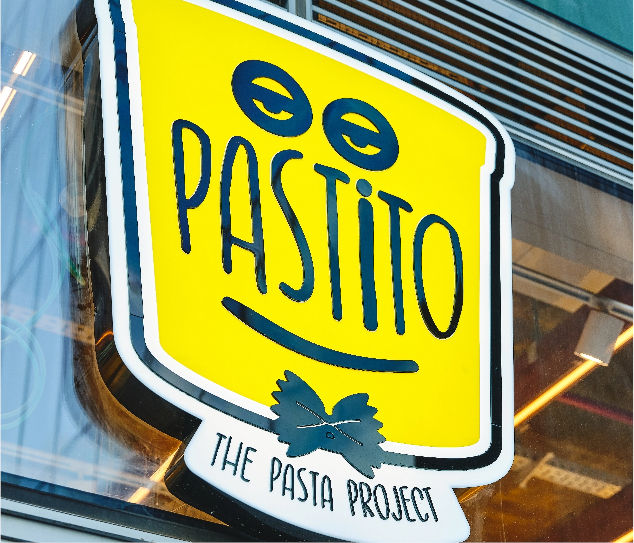
Pastito is a casual pasta-focused restaurant concept offering dishes like mac and cheese and other comforting plates, serving families, locals, and tourists, and known for approachable, kid-friendly options and a relaxed, drop-in vibe on busy pedestrian streets.
?
?

Naz's Halal Food is a fast-casual halal restaurant franchise offering platters, gyros, wraps, and bowls, serving guests seeking bold flavors and certified halal meals, and known for street-inspired menus, late-night hours, and its fast-growing footprint from Queens outward.
?
?

Del's Popcorn Shop is a specialty retail franchise offering gourmet popcorn, candies, and nostalgic snacks, serving walk-up shoppers, tourists, and gift buyers, and known for small-town charm, handcrafted popcorn varieties, seasonal tins, and long-standing community presence in historic downtown locations.
?
?

Sticks Kebob Shop is a fast-casual Mediterranean franchise offering marinated kebabs, salads, and sides, serving health- and value-focused diners and families, and known for fresh ingredients, bold flavors, flexible formats and strong growth potential.
?
?

The New York Butcher Shoppe is a retail-butcher franchise offering hand-cut steaks, premium meats, prepared entrées, sides, and gourmet grocery items, serving families and food enthusiasts, and known for high-quality product, inviting atmosphere, and proven franchise model.
?
?
Choosing a franchise goes beyond reviewing fees and financials — it requires an honest assessment of your goals, skills, and risk tolerance. This article outlines the key questions prospective owners should ask before committing. It helps clarify whether the opportunity aligns with your lifestyle, long-term plans, and operational preferences.
Speaking with current and former franchisees is one of the most reliable ways to understand how a franchise really operates. This guide explains how to conduct validation calls, what questions to ask, and how to identify patterns in feedback. It provides a practical framework for uncovering real performance expectations and support quality.
Not all franchise opportunities offer the same potential. This article breaks down how to evaluate a brand’s industry, financial health, support systems, and competitive positioning. It helps prospective buyers compare options and identify franchises with strong long-term viability.
A clear, well-structured business plan is essential for securing financing and preparing for the realities of franchise ownership. This article explains how to build a plan that covers market analysis, operations, staffing, and local marketing. It also outlines how to create realistic pro forma financials, including revenue projections, startup costs, and break-even analysis. Readers gain a practical framework they can use when applying for loans or planning their first years of operations.