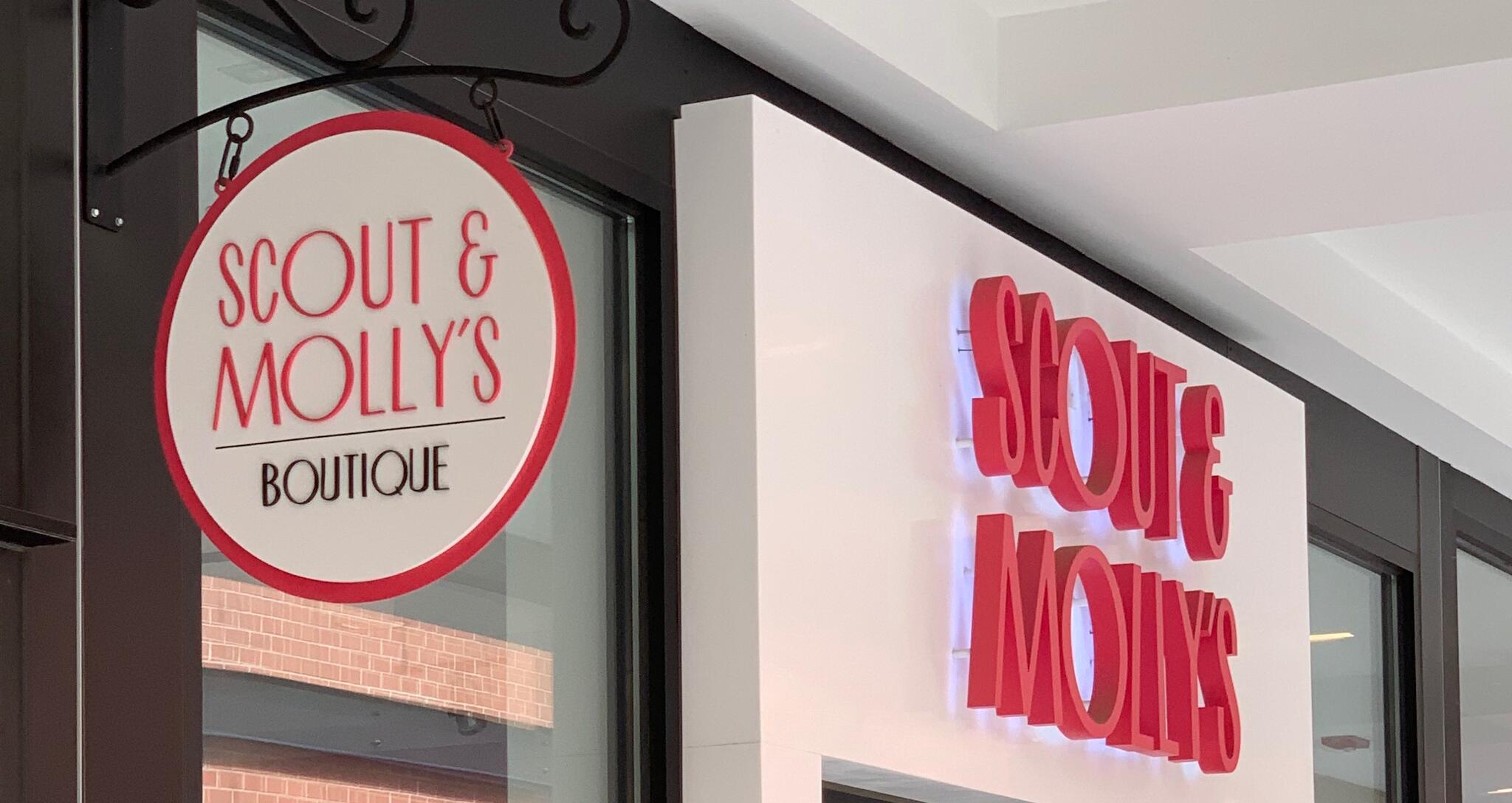
Scout & Molly's offers women's boutique fashion and accessories, providing trendy and curated selections for individuals seeking unique style options.
KEY FRANCHISE STATS
Franchisees
?
20
+
-13%
-13%
Franchise fee
?
$60,000
Investment
?
$319,000 - $388,000
Revenue (AUV)
?
Undisclosed
$728,000
+
3.6%
3.6%
Sign up
Scout & Molly’s Boutique is a women’s fashion retail franchise that began in Raleigh, North Carolina, in 2005. The brand started franchising in 2014 and is now headquartered in King of Prussia, Pennsylvania.
With over 20 locations across the U.S., Scout & Molly’s offers a curated selection of clothing, jewelry, and accessories, blending vintage chic with modern trends.
Each boutique provides a warm, inviting atmosphere where customers receive personalized styling assistance from knowledgeable staff.
Scout & Molly’s differentiates itself by offering unique merchandise from indie designers, ensuring that shoppers find exclusive pieces not commonly available in other stores.
Interested in Scout & Molly's franchise?
Share your information and our team will help you explore Scout & Molly's franchise opportunity, including startup costs, available territories, ownership requirements, and next steps.
The initial investment required for a Scout & Molly's franchise is
$319,000 - $388,000.
That is the total cost you would need to finance if you were to start this franchise.
These costs are provided by the franchisor in the Franchise Disclosure Document.
Scout & Molly’s, through its franchisor Franlogic Scout Development, LLC, provides a structured training and support program for new franchisees. The training offerings include several components to help ensure operational success. Here are the programs detailed:
Initial Training Program: Both the franchisee and designated Store Manager(s) must attend the franchisor’s training program. This training is conducted at the corporate office in King of Prussia, Pennsylvania, at the franchisee's store, or at another approved location. Replacement managers must also go through this training if changes in staff occur.
Site Selection and Lease Assistance: The franchisor designates a vendor to help franchisees with site selection and lease negotiation. This vendor provides services for a fee and is mandatory for franchisees to use. Final site approval is at the sole discretion of the franchisor.
Design and Setup Guidance: Franchisees receive standard floor plans and specifications for the design, decoration, equipment, and signage. This ensures all stores maintain a consistent brand image and operational efficiency.
Territory Protection
Scout & Molly’s provides limited territory protection to its franchisees. Each franchisee is granted the right to operate a store at a designated location, and while they must seek approval for that site from the franchisor, no broad or exclusive territory rights are assured.
The franchisor retains the right to use Brand Development Funds systemwide and is not obligated to spend them in any specific franchisee’s area, emphasizing the lack of geographic exclusivity.
The franchise agreement does not promise franchisees that no other Scout & Molly’s businesses will be established nearby, nor does it protect against the franchisor’s future advertising or operational decisions that might affect their market.




.png)