Project LeanNation is a health-focused meal prep and nutrition franchise providing balanced, macro-friendly meals designed for fitness enthusiasts and busy professionals.
KEY FRANCHISE STATS
Franchisees
?
28
+
300%
300%
Franchise fee
?
$60,000
Investment
?
$238,000 - $354,000
Revenue (AUV)
?
Undisclosed
$614,000
+
n.a.
n.a.
Sign up
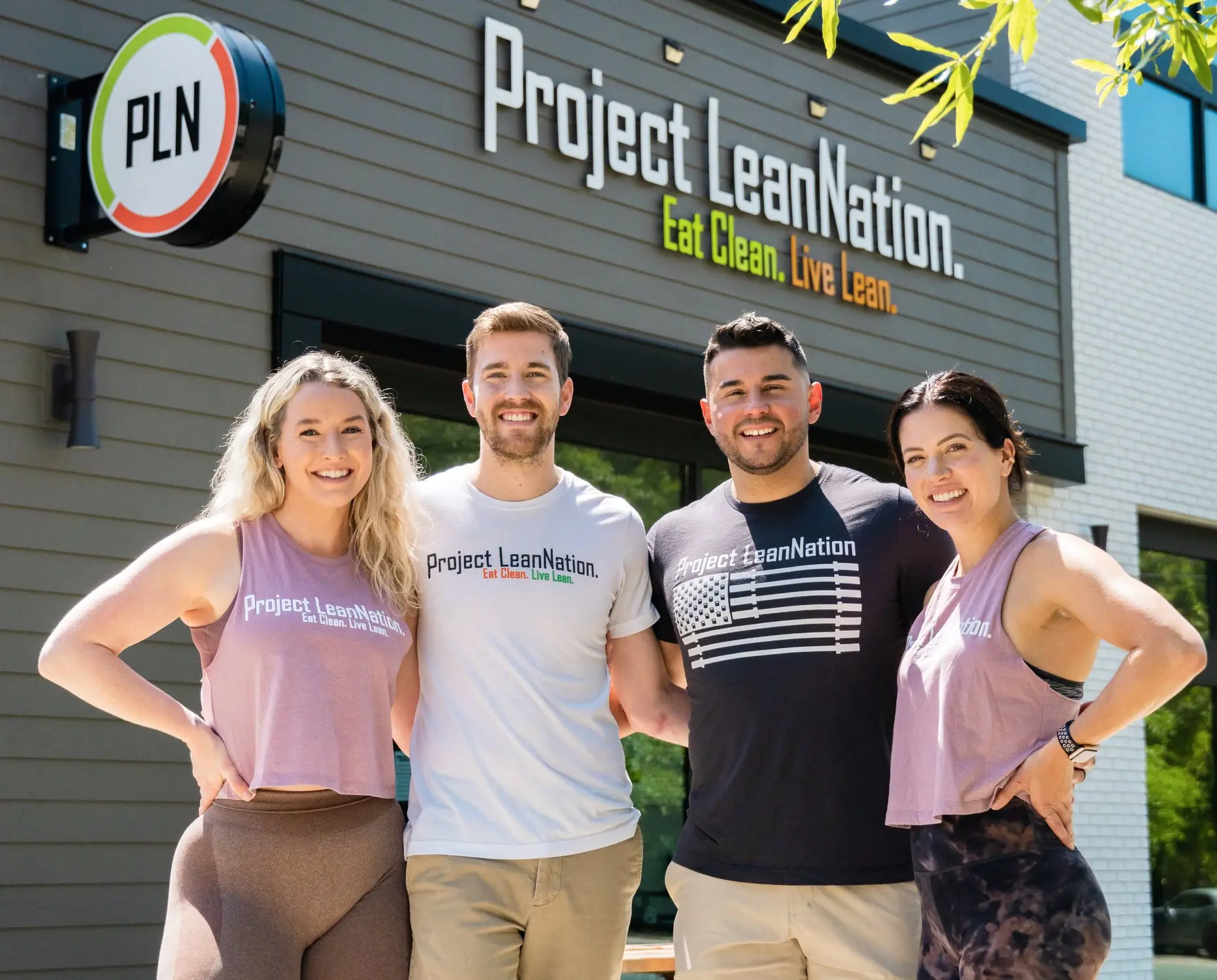
Founded in 2012 by Tim Dougherty in Rochester, New York, Project LeanNation (PLN)began as a modest endeavor to help friends achieve their health goals through nutritious, ready-to-eat meals.
This initiative quickly evolved into a comprehensive wellness franchise, and by 2019, PLN commenced franchising operations. Today, the company is headquartered in Brighton, New York, and boasts over 28 locations nationwide.
Project LeanNation offers a subscription-based model that provides customers with dietitian-approved, ready-to-eat meals. These meals are designed to cater to various dietary needs and preferences, including weight loss seekers, busy professionals, and fitness enthusiasts.
What sets Project LeanNation apart from competitors is its holistic approach to wellness. Unlike many meal prep services that operate solely online, PLN integrates physical storefronts where customers can pick up meals, consult with nutrition coaches, and connect with a community of like-minded individuals.
Interested in Project LeanNation franchise?
Share your information and our team will help you explore Project LeanNation franchise opportunity, including startup costs, available territories, ownership requirements, and next steps.
The initial investment required for a Project LeanNation franchise is
$238,000 - $354,000.
That is the total cost you would need to finance if you were to start this franchise.
These costs are provided by the franchisor in the Franchise Disclosure Document.
Type of Expenditure
Amount
Initial Franchise Fee for single location
$60,000
Real Estate Rent – 1st Month
$3,000 - $5,000
Security Deposit(s)
$0 - $5,000
Leasehold Improvements
$50,000 - $100,000
Real Estate Project Management Fee
$10,000
Construction Project Management Fee
$0 - $10,000
Furnishings, Fixtures, and Decorating
$4,000 - $6,000
Signage
$5,000 - $10,000
Training
$1,000 - $2,000
Equipment and supplies acquired locally
$47,000 - $67,000
Computer System/POS
$2,000 - $3,000
Initial Inventory, supplies, packaging, uniforms and corporate identity materials
$2,000 - $3,000
Initial inventory of products for resale
$6,000 - $8,000
SBA fees and other financing costs
$0 - $10,000
Additional Operating funds – 3 months
$25,000
Professional Fees
$4,000 - $10,000
Pre-Opening Marketing
$15,000
Business Licenses
$500 - $1,000
Insurance
$3,000 - $4,000
Total Estimated Initial Investment
$237,500 - $354,000
Create a free account to access this table and more.
Thank you! Your submission has been received!
Oops! Something went wrong while submitting the form.
Type of Expenditure
Amount
Initial Franchise Fee for single location
$60,000
Real Estate Rent – 1st Month
$3,000 - $5,000
Security Deposit(s)
$0 - $5,000
Leasehold Improvements
$50,000 - $100,000
Real Estate Project Management Fee
$10,000
Construction Project Management Fee
$0 - $10,000
Furnishings, Fixtures, and Decorating
$4,000 - $6,000
Signage
$5,000 - $10,000
Training
$1,000 - $2,000
Equipment and supplies acquired locally
$47,000 - $67,000
Computer System/POS
$2,000 - $3,000
Initial Inventory, supplies, packaging, uniforms and corporate identity materials
$2,000 - $3,000
Initial inventory of products for resale
$6,000 - $8,000
SBA fees and other financing costs
$0 - $10,000
Additional Operating funds – 3 months
$25,000
Professional Fees
$4,000 - $10,000
Pre-Opening Marketing
$15,000
Business Licenses
$500 - $1,000
Insurance
$3,000 - $4,000
Total Estimated Initial Investment
$237,500 - $354,000
Franchise Disclosure Document
Below is Project LeanNation's 2025 Franchise Disclosure Document. Sign up for free to view the document.
Number of units
Project LeanNation had 29 total units in 2025, of which 28 were franchised-owned and 1 company-owned.
Project LeanNation offers a comprehensive training program to ensure franchisees are well-prepared to operate their business in alignment with the franchisor's standards. The training provided by the Franchisor includes the following programs:
Initial Training Program: This consists of two portions—approximately two days at a designated facility (typically in Rochester, NY), and three days of on-site training at the franchisee’s location. This program covers operational setup, compliance, and day-to-day functioning of the franchise.
Structured Courses via LMS:
Franchisee Onboard (1 hour)
Brand Definition (1 hour)
Leadership Training (4 hours)
Production Onboard (1 hour) These courses are delivered through a Learning Management System with staff support.
In-Depth Training Segments:
Communications Strategy
Community Activation Process
Community Partner Blueprint
Community Re-Activation
PLN Storefront Training These modules are designed to prepare franchisees in marketing, community engagement, and in-store operations.
Territory Protection
Project LeanNation offers its franchisees a form of territory protection through a designated geographic area known as the "Designated Territory." This territory is generally defined to include up to 50,000 people within a roughly two-mile radius, though this may vary in dense urban areas.
As long as the franchisee is in compliance with the agreement, the franchisor will not open or license another Project LeanNation location within that territory. However, the franchisor does reserve broad rights that limit the exclusivity of this protection.
It may still operate or license other businesses, even those offering similar services, under different brand names within or near the Designated Territory. Additionally, franchisees are not permitted to actively solicit or advertise to customers outside of their assigned territory without written permission from the franchisor.



.png)