The Coffee Beanery Franchise FDD, Costs & Fees (2026)
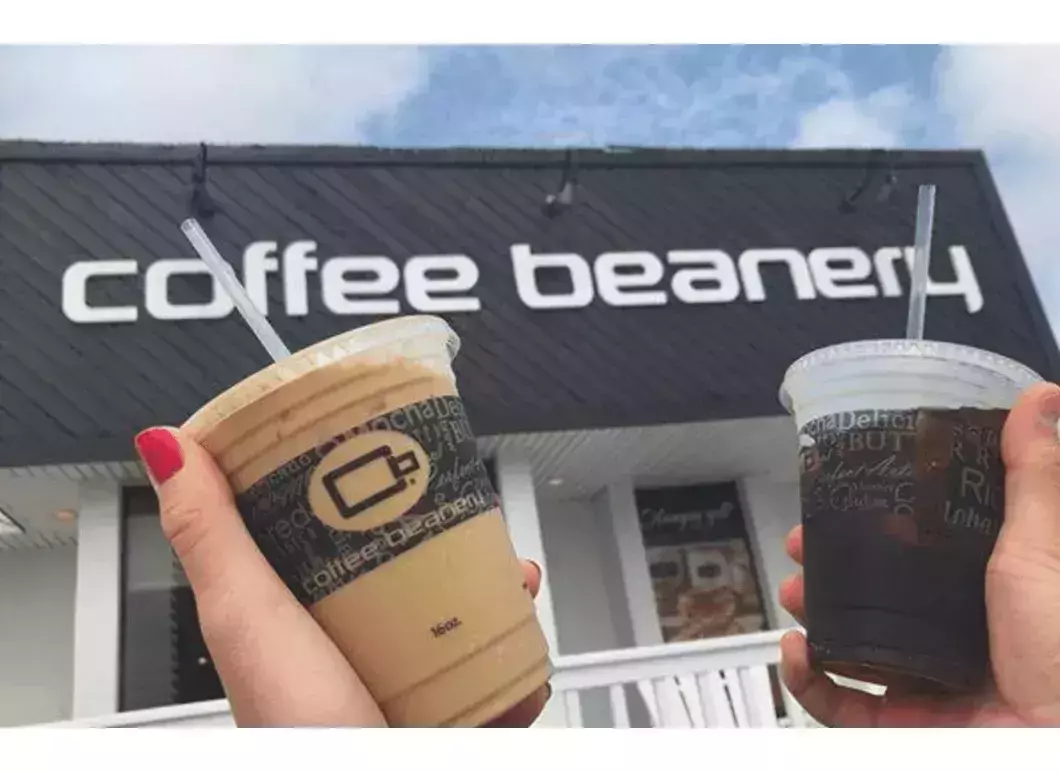
Coffee shop franchise offering a variety of coffee, espresso drinks, and baked goods, providing a cozy and welcoming atmosphere.
KEY FRANCHISE STATS
Franchisees
?
27
+
-21%
-21%
Franchise fee
?
$15,000
Investment
?
$144,000 - $440,000
Revenue (AUV)
?
Undisclosed
$225,000
+
n.a.
n.a.
Sign up
The Coffee Beanery was founded in 1976 by JoAnne and Julius Shaw in Dearborn, Michigan. It began franchising in 1985 and is now headquartered in Flushing, Michigan. With over 70 locations in the U.S. and around 20 international stores, it remains a well-established name in specialty coffee.
The franchise offers a wide range of products, including freshly brewed coffee, espresso beverages, teas, smoothies, and light fare such as sandwiches and wraps.
What sets The Coffee Beanery apart is its control over the roasting, flavoring, and packaging of its coffee beans. This ensures consistent quality and a distinctive taste that customers can rely on.
The company promotes a strong family-oriented culture and emphasizes franchisee support. Its relaxing store atmosphere, dedication to premium coffee, and customer-first service make it an appealing opportunity for entrepreneurs passionate about community and quality coffee experiences.
Interested in The Coffee Beanery franchise?
Share your information and our team will help you explore The Coffee Beanery franchise opportunity, including startup costs, available territories, ownership requirements, and next steps.
The initial investment required for a The Coffee Beanery franchise is
$144,000 - $440,000.
That is the total cost you would need to finance if you were to start this franchise.
These costs are provided by the franchisor in the Franchise Disclosure Document.
The Coffee Beanery offers 4 types of franchises:
Store Model
Initial Investment
Traditional Store Model
$231,700 to $439,900
Co-Branded Store Model
$143,700 to $342,900
Convenience Store Model
$152,700 to $389,900
Drop-Down Container Store Model
$268,700 to $374,900
We are summarizing below the main costs associated with opening a Traditional Store Model.
For more information on the various types of franchises and its costs, refer to the Franchise Disclosure Document (Item 7).
The Coffee Beanery provides a comprehensive training program for its franchisees, encompassing both pre-opening and post-opening phases to ensure operational success. Here are the training programs offered by the franchisor:
Operations Training: This classroom and in-store training occurs in Flushing, Michigan and lasts 7–10 days depending on whether the store will offer an extended food service menu. It includes business basics, customer service, and store operations.
On Site Training: Conducted at the franchisee’s location around the store opening, this training covers equipment setup, merchandising, operational procedures, maintenance, service, and local marketing. It typically lasts up to 7 days (2–3 days before and up to 4 days after the opening).
Follow-Up Training Visit: Within 180 days of opening, the franchisor may provide a follow-up training visit of 1 to 1.5 days to reinforce operational standards.
Annual National Convention and Regional Events: Attendance is mandatory for franchisees and includes further training and networking. There is a set fee and the franchisee is responsible for related travel and lodging costs.
Territory Protection
The Coffee Beanery does not offer exclusive territorial protection to its franchisees. While each franchise is granted an “Approved Location,” the franchisor retains full rights to open additional franchise or company-owned stores, even in close proximity to an existing franchise.
This means a franchisee may face competition from other franchisees or outlets owned or controlled by Coffee Beanery, without any obligation for compensation. Furthermore, the franchisor reserves broad rights to distribute its products through various channels, including internet sales, retail, wholesale, and even alternative formats like direct or multi-level marketing.
Franchisees are not granted rights to these distribution channels and must receive written consent for any such activities outside their physical store. This policy highlights the franchisor's emphasis on flexibility and market reach over territorial exclusivity.



.png)