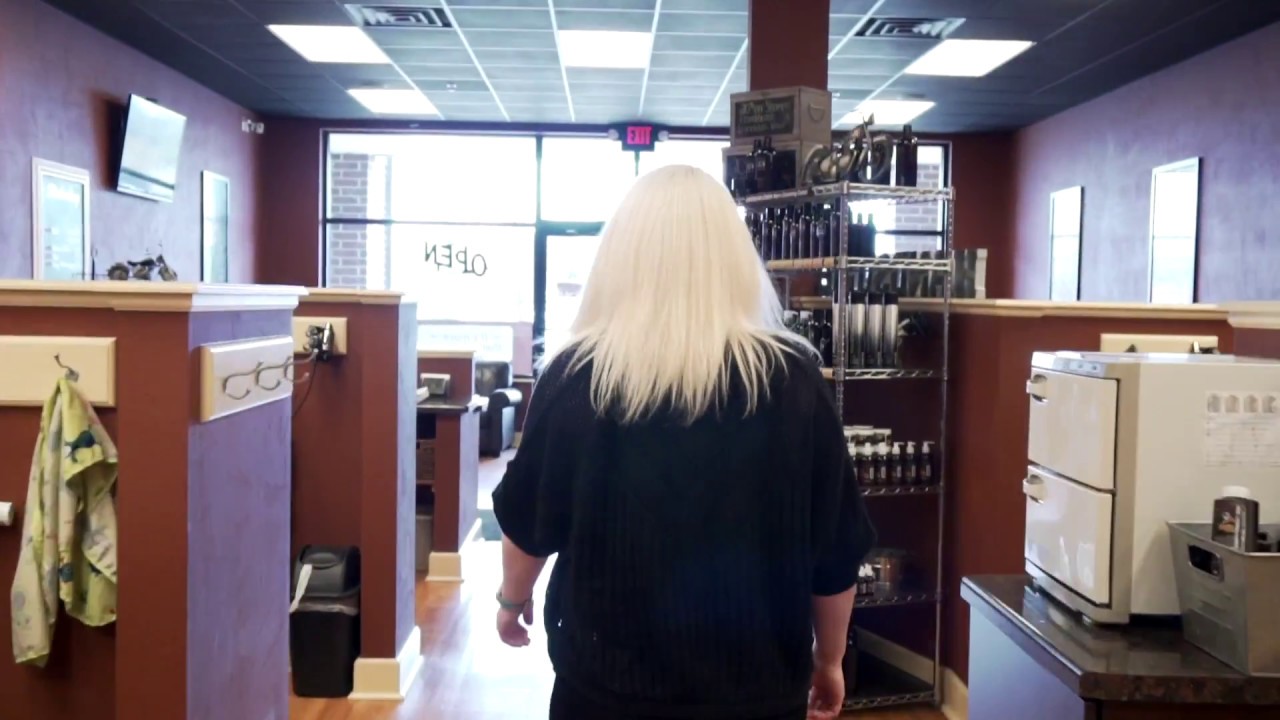
The Barbershop provides professional grooming services for men, offering haircuts, shaves, and styling in a comfortable and welcoming environment.
KEY FRANCHISE STATS
Franchisees
?
48
+
2%
2%
Franchise fee
?
$40,000
Investment
?
$207,000 - $353,000
Revenue (AUV)
?
Undisclosed
$474,000
+
n.a.
n.a.
Sign up
The Barbershop is a Hair Salon for Men founded in 2005 by Todd Degner in Appleton, Wisconsin. It was created to offer a high-quality grooming experience designed specifically for men and boys. The brand began franchising in 2008 and is now headquartered in De Pere, Wisconsin, with around 50 locations across the United States.
The franchise offers a full menu of services, including haircuts, coloring, highlights, beard trims, and waxing. Each salon features a masculine, comfortable atmosphere that blends traditional barbershop style with modern amenities. This design makes it easy for customers to enjoy a personalized and relaxing experience.
What sets The Barbershop apart is its exclusive focus on men's grooming, filling a niche often overlooked in the salon industry. Its upscale yet approachable service model, combined with consistent quality and attention to customer satisfaction, has helped the franchise build a loyal customer base.
Interested in The Barbershop franchise?
Share your information and our team will help you explore The Barbershop franchise opportunity, including startup costs, available territories, ownership requirements, and next steps.
The initial investment required for a The Barbershop franchise is
$207,000 - $353,000.
That is the total cost you would need to finance if you were to start this franchise.
These costs are provided by the franchisor in the Franchise Disclosure Document.
Type of Expenditure
Amount
Initial Franchise Fee
$40,000
Travel and Living Expenses while Training for 2 People
$2,000 to $4,000
Security Deposit and Rent
$2,000 to $6,000
Grand Opening Training
$3,000 to $5,000
Licenses, Dues, Utilities Deposits
$500 to $2,000
Furniture, Fixtures and Equipment
$33,500 to $44,600
Leasehold Improvements
$80,000 to $170,000
Opening Inventory
$2,000 to $3,000
POS Computer System and Software
$1,400 to $1,500
Office Equipment and Supplies
$1,500 to $2,000
Professional Fees
$500 to $3,000
Signage
$5,000 to $10,000
Insurance - Per Quarter
$600 to $1,500
Grand Opening Advertising
$10,000 to $20,000
Additional Funds
$25,000 to $40,000
Total Estimated Initial Investment
$207,000 to $352,600
Create a free account to access this table and more.
Thank you! Your submission has been received!
Oops! Something went wrong while submitting the form.
Type of Expenditure
Amount
Initial Franchise Fee
$40,000
Travel and Living Expenses while Training for 2 People
$2,000 to $4,000
Security Deposit and Rent
$2,000 to $6,000
Grand Opening Training
$3,000 to $5,000
Licenses, Dues, Utilities Deposits
$500 to $2,000
Furniture, Fixtures and Equipment
$33,500 to $44,600
Leasehold Improvements
$80,000 to $170,000
Opening Inventory
$2,000 to $3,000
POS Computer System and Software
$1,400 to $1,500
Office Equipment and Supplies
$1,500 to $2,000
Professional Fees
$500 to $3,000
Signage
$5,000 to $10,000
Insurance - Per Quarter
$600 to $1,500
Grand Opening Advertising
$10,000 to $20,000
Additional Funds
$25,000 to $40,000
Total Estimated Initial Investment
$207,000 to $352,600
Franchise Disclosure Document
Below is The Barbershop's 2026 Franchise Disclosure Document. Sign up for free to view the document.
Number of units
The Barbershop had 50 total units in 2026, of which 48 were franchised-owned and 2 company-owned.
The Barbershop franchise provides a structured and detailed training program for new franchisees to help them successfully operate their salon. Here are the specific training and support programs offered by the franchisor:
Initial Training Program: The Barbershop offers an initial training program for the franchisee and designated manager(s). This program is designed to teach the operational aspects of running the salon. It covers the systems, procedures, and policies detailed in the franchise’s Confidential Operations Manual.
Confidential Operations Manual: Franchisees are loaned a copy of the Manual, which is considered proprietary and confidential. It includes mandatory operational systems and standards. Franchisees must strictly adhere to this manual and are responsible for maintaining its current version. The Manual is about 365 pages long and includes operational details required to manage the salon effectively.
Territory Protection
The Barbershop franchise does provide territory protection to its franchisees through what it refers to as a “Protected Territory.” This territory is typically determined at the time both the franchisor and franchisee agree on the salon location.
The standard Protected Territory is usually a 3-mile radius around the salon, but this may be adjusted depending on whether the salon is located in a densely populated urban area or a more rural region.
As long as the franchisee remains in good standing and is not in default under the agreement, The Barbershop franchisor agrees not to establish or allow another The Barbershop or The Guy’s Place salon within that Protected Territory.



.png)