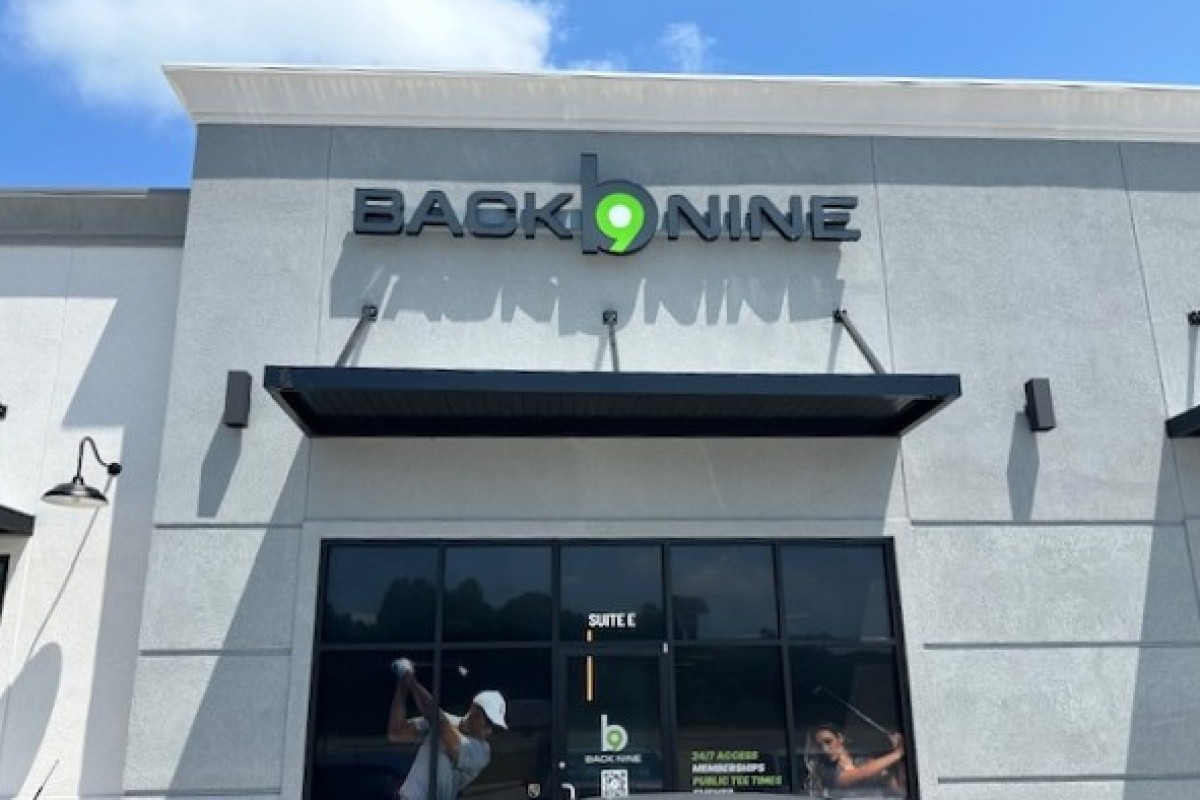
The Back Nine is an indoor golf simulator franchise offering climate-controlled golf bays and memberships, serving casual players and serious golfers alike, and known for advanced simulator technology, flexible 24/7 access models, and social lounge-style environments.
KEY FRANCHISE STATS
Franchisees
?
120
+
1614%
1614%
Franchise fee
?
$50,000
Investment
?
$307,000 - $689,000
Revenue (AUV)
?
Undisclosed
$0
+
n.a.
n.a.
Sign up
The Back Nine is a modern indoor golf simulator franchise that offers a realistic, immersive golf experience any time — day or night. The brand was founded in 2021 by Wil Bangerter. It was first developed in St. George, Utah, where the concept originated. The company is headquartered in St. George, Utah.
The Back Nine began franchising around 2022 as demand for indoor golf and flexible recreation spaces grew. The franchise sells 24/7-access indoor golf simulator facilities that feature private bays, advanced simulator technology, swing analysis tools, and virtual access to golf courses worldwide. Customers can join through memberships, allowing consistent recurring revenue for franchisees.
A key differentiator for The Back Nine is its semi-passive ownership model that enables locations to operate with minimal staffing. This structure creates lower labor costs and simpler operations for franchisees. The franchise also partners with leading simulator technology providers to ensure a highly realistic golfing experience that attracts both entry-level golfers and experienced players.
The Back Nine stands out by combining a streamlined business model with strong consumer appeal in the fast-growing indoor golf market. Its 24/7 access, modern design, and tech-driven approach position it as an attractive franchise opportunity for investors seeking a lifestyle-friendly business with recurring membership revenue.
Interested in The Back Nine franchise?
Share your information and our team will help you explore The Back Nine franchise opportunity, including startup costs, available territories, ownership requirements, and next steps.
The initial investment required for a The Back Nine franchise is
$307,000 - $689,000.
That is the total cost you would need to finance if you were to start this franchise.
These costs are provided by the franchisor in the Franchise Disclosure Document.
For more information on the costs required to start a The Back Nine franchise, refer to the Franchise Disclosure Document (Item 7).
Type of Expenditure
Amount
Initial Franchise Fee
$50,000
Travel Expenses While Training
$1,000 to $5,000
Real Estate Improvements
$50,000 to $225,000
Signage
$5,000 to $15,000
Equipment
$156,050 to $251,000
Miscellaneous Supplies
$3,000
Initial Supply of Advertising Materials
$3,000
Marketing Launch Ad Spend
$6,000 to $10,000
Premises Deposit
$2,000 to $9,500
Rent - 3 Months
$6,000 to $28,500
Internet/Utilities - 3 Months
$1,800 to $2,500
Furniture
$5,000 to $25,000
Business Licenses and Permits
$200 to $1,000
Insurance
$1,000 to $2,000
Professional Fees
$0 to $5,000
Security/Automation
$7,500 to $25,000
Utility Deposits
$1,500 to $3,000
Additional Funds - 3 Months
$8,000 to $25,000
Total Estimated Initial Investment
$307,050 to $688,500
Create a free account to access this table and more.
Thank you! Your submission has been received!
Oops! Something went wrong while submitting the form.
For more information on the costs required to start a The Back Nine franchise, refer to the Franchise Disclosure Document (Item 7).
Type of Expenditure
Amount
Initial Franchise Fee
$50,000
Travel Expenses While Training
$1,000 to $5,000
Real Estate Improvements
$50,000 to $225,000
Signage
$5,000 to $15,000
Equipment
$156,050 to $251,000
Miscellaneous Supplies
$3,000
Initial Supply of Advertising Materials
$3,000
Marketing Launch Ad Spend
$6,000 to $10,000
Premises Deposit
$2,000 to $9,500
Rent - 3 Months
$6,000 to $28,500
Internet/Utilities - 3 Months
$1,800 to $2,500
Furniture
$5,000 to $25,000
Business Licenses and Permits
$200 to $1,000
Insurance
$1,000 to $2,000
Professional Fees
$0 to $5,000
Security/Automation
$7,500 to $25,000
Utility Deposits
$1,500 to $3,000
Additional Funds - 3 Months
$8,000 to $25,000
Total Estimated Initial Investment
$307,050 to $688,500
Franchise Disclosure Document
Below is The Back Nine's 2026 Franchise Disclosure Document. Sign up for free to view the document.
Number of units
The Back Nine had 124 total units in 2026, of which 120 were franchised-owned and 4 company-owned.
The Back Nine franchise provides a detailed and multi-tiered training program designed to equip franchisees and their managers with the skills necessary to operate their store effectively. Here is a breakdown of the training programs offered:
Initial Training Program After signing a lease, the franchisee or designated general manager must complete the initial training program, which includes two to three days of remote sessions and one day of in-person training at company headquarters in St. George, Utah. Up to three individuals may attend at no cost, but all related travel and living expenses are the responsibility of the franchisee. Training covers operations, marketing, software systems, and sales, guided by a training checklist and the Back Nine Operations Manual.
Supplemental On-Site Training If requested and based on personnel availability, the franchisor may provide on-site training at the franchisee’s location. This training incurs a per diem fee plus associated travel and accommodation costs. It is aimed at accommodating special needs or extending the standard training content.
Mandatory Annual Continuing Education Franchisees and their general managers are required to attend up to five days of ongoing training annually, which may include seminars, conventions, or development programs. The franchisor provides 30 days’ advance notice for these mandatory sessions. Though attendance is required, all travel and related costs must be covered by the franchisee.
Remedial Training Upon reasonable request or at the franchisor’s discretion, additional remedial training can be provided on-site. This service also involves a per diem charge plus travel, lodging, and meal expenses. It is designed to address performance issues or operational deficiencies.
Territory Protection
The Back Nine franchise does provide a form of limited territory protection to its franchisees. Each franchisee is granted a designated territory, usually outlined by a group of contiguous zip codes with a population not exceeding 75,000.
As long as the franchisee meets the required performance benchmarks and is not in default, the franchisor agrees not to establish or allow other The Back Nine outlets within that territory.
However, the protection is not absolute. The Back Nine franchisor reserves the right to sell its products and services within the same territory through alternative distribution channels, including online platforms and other media.


.png)