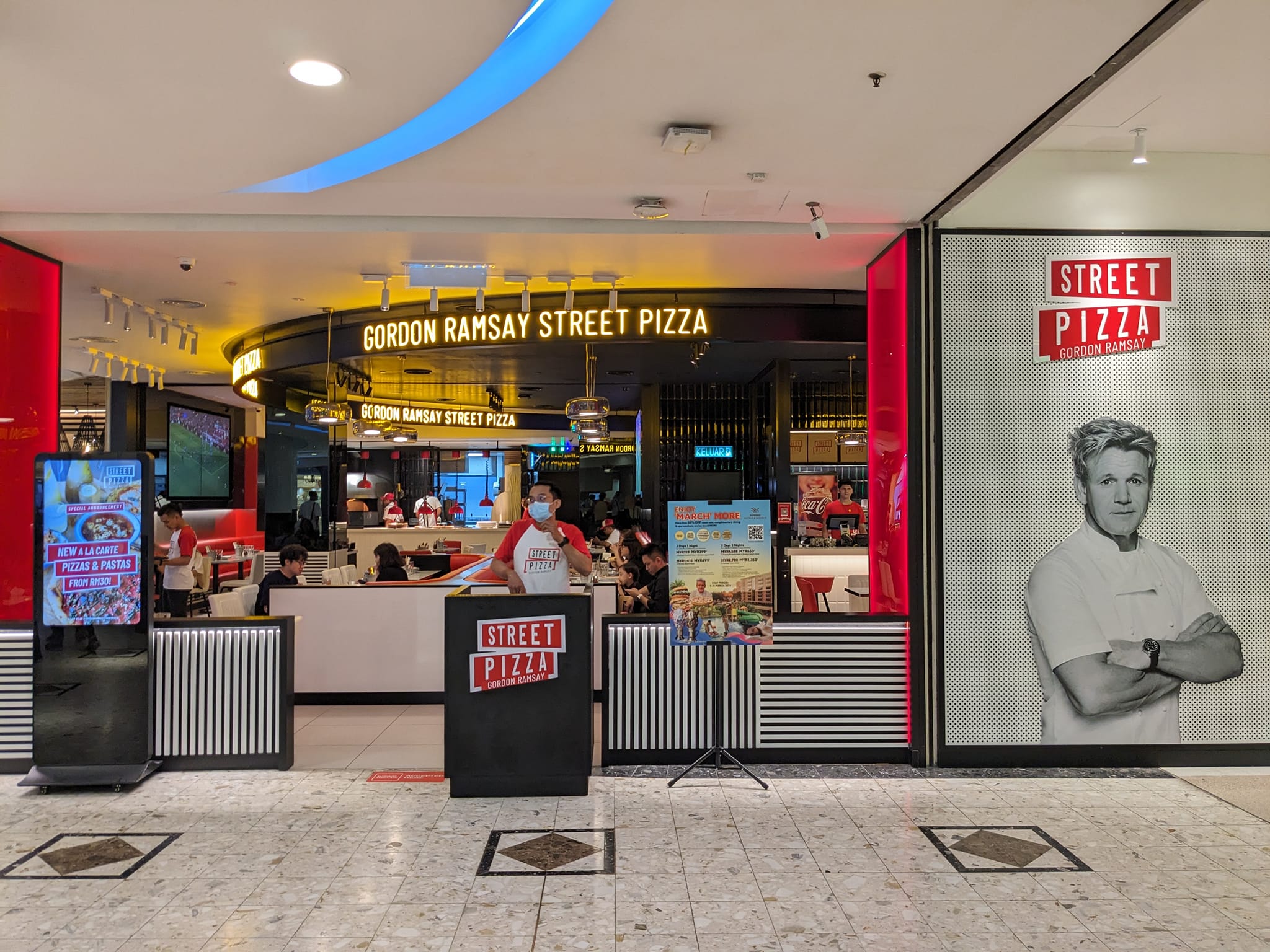
Street Pizza is a lively pizza restaurant franchise offering bottomless sourdough pizzas, wings, and cocktails, serving social diners, groups, and party-goers, and known for its “pizza without rules” attitude, vibrant music, arcade-style fun, and a casual, high-energy dining experience.
KEY FRANCHISE STATS
Franchisees
?
0
+
n.a.
n.a.
Franchise fee
?
$50,000
Investment
?
$1,806,000 - $3,308,000
Revenue (AUV)
?
Undisclosed
$0
+
n.a.
n.a.
Sign up
Street Pizza is a modern full-service pizza restaurant concept created by Gordon Ramsay Restaurants. The brand was founded in 2018 in London, England, and was designed as a high-energy dining experience that combines handcrafted sourdough pizza with entertainment and social interaction.
Street Pizza promotes a bold “pizza without rules” identity that emphasizes fun, flexibility, and vibrant atmosphere.
The Street Pizza concept expanded to the United States through GRNA Street Pizza Group LLC, which is headquartered in Irving, Texas. This entity was established to oversee franchising and brand development across the U.S. market. The franchise officially began offering franchise opportunities in 2025, making it a relatively new entrant in the restaurant franchise space.
Street Pizza restaurants focus on dine-in service rather than traditional delivery-focused pizza models. The menu centers on artisan sourdough pizzas, complemented by sides, desserts, and alcoholic beverages. Many locations emphasize bottomless pizza offerings and social dining, encouraging longer guest stays and group visits.
Interested in Street Pizza franchise?
Share your information and our team will help you explore Street Pizza franchise opportunity, including startup costs, available territories, ownership requirements, and next steps.
The initial investment required for a Street Pizza franchise is
$1,806,000 - $3,308,000.
That is the total cost you would need to finance if you were to start this franchise.
These costs are provided by the franchisor in the Franchise Disclosure Document.
Type of Expenditure
Amount
Initial Franchise Fee
$50,000 - $50,000
Site Evaluation Fee
$1,000 - $5,000
Construction, Remodeling, Leasehold Improvements and Decorating Costs (whether purchased or leased)
$900,000 - $1,800,000
Equipment, Furniture, Fixtures, Signage, other Fixed Assets (whether purchased or leased)
$500,000 - $700,000
Initial Training Expenses
$75,000 - $125,000
Inventory to begin operating
$50,000 - $60,000
Liquor License
$7,000 - $160,000
Insurance
$35,000 - $80,000
Initial Marketing
$15,000 - $20,000
Deposits, Business Licenses, and other Prepaid Expenses
$25,000 - $50,000
Professional Fees
$50,000 - $100,000
Average Monthly Rent
$10,500 - $33,333
Additional Funds for Initial 3-Month Period
$75,000 - $100,000
Opening Crew
$15,000 - $25,000
Total Estimated Initial Investment
$1,805,500 - $3,308,333
Create a free account to access this table and more.
Thank you! Your submission has been received!
Oops! Something went wrong while submitting the form.
Type of Expenditure
Amount
Initial Franchise Fee
$50,000 - $50,000
Site Evaluation Fee
$1,000 - $5,000
Construction, Remodeling, Leasehold Improvements and Decorating Costs (whether purchased or leased)
$900,000 - $1,800,000
Equipment, Furniture, Fixtures, Signage, other Fixed Assets (whether purchased or leased)
$500,000 - $700,000
Initial Training Expenses
$75,000 - $125,000
Inventory to begin operating
$50,000 - $60,000
Liquor License
$7,000 - $160,000
Insurance
$35,000 - $80,000
Initial Marketing
$15,000 - $20,000
Deposits, Business Licenses, and other Prepaid Expenses
$25,000 - $50,000
Professional Fees
$50,000 - $100,000
Average Monthly Rent
$10,500 - $33,333
Additional Funds for Initial 3-Month Period
$75,000 - $100,000
Opening Crew
$15,000 - $25,000
Total Estimated Initial Investment
$1,805,500 - $3,308,333
Franchise Disclosure Document
Below is Street Pizza's 2026 Franchise Disclosure Document. Sign up for free to view the document.
Number of units
Street Pizza had 1 total units in 2026, of which 0 were franchised-owned and 1 company-owned.
Street Pizza franchise provides an extensive training structure to maintain operational standards and prepare franchisees for success. Here’s a breakdown of the training programs:
Approved Management Training Franchisees and their key staff—Designated Principal, Operations Leader, Restaurant General Manager, and at least three Restaurant Managers—must complete the franchisor’s Approved Management Training at least 60 days before the restaurant’s opening. This training includes live instruction, manuals, checklists, and on-the-job learning, and may be held at corporate offices in Texas, another company-owned or franchised restaurant, or at the franchisee's own location.
Replacement and Successor Training Any replacement or successor for key management roles must complete the same Approved Management Training before assuming their position. The franchisor reserves the right to charge training fees for these individuals, and franchisees bear all related costs, including travel and lodging.
Continuing and Optional Training To uphold brand standards, franchisees and management-level staff must attend any mandatory continuing training or seminars designated by the franchisor. Optional training may also be offered, and participation is subject to separate fees and travel expenses.
On-Site Remedial Training Franchisees may request or be required to receive additional on-site remedial training. This support is billed at the franchisor’s current rate, plus all reasonable expenses.
Territory Protection
Street Pizza franchise provides franchisees with a defined Designated Area, but it does not guarantee exclusive territory. Franchisees may face competition from other Street Pizza outlets, company-owned restaurants, or distribution through alternative channels within their Designated Area.
While the franchisor agrees not to authorize another Street Pizza in the area during the agreement term, this commitment is conditional upon the franchisee’s full compliance with all contractual obligations.
The franchisor retains broad rights to sell products through other means, including online platforms, grocery stores, and third-party delivery services—even within the franchisee’s Designated Area.



.png)