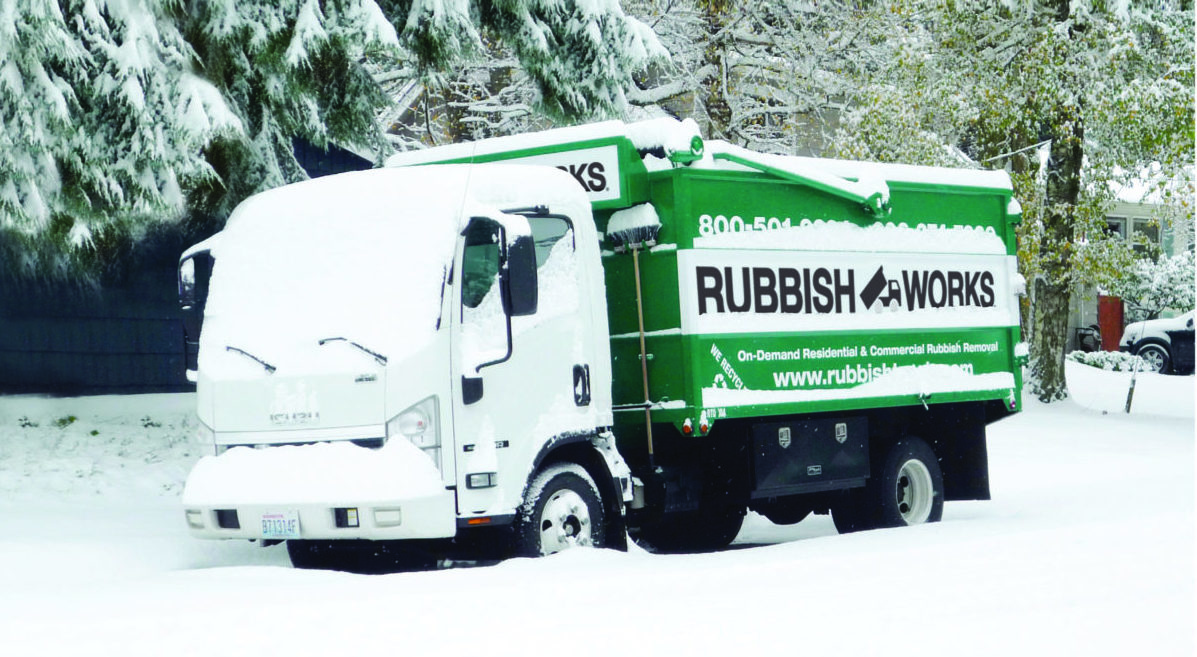
Rubbish Works offers eco-friendly junk removal and recycling services, helping clients declutter spaces while minimizing environmental impact.
KEY FRANCHISE STATS
Franchisees
?
13
+
117%
117%
Franchise fee
?
$65,000
Investment
?
$132,000 - $236,000
Revenue (AUV)
?
Undisclosed
$0
+
n.a.
n.a.
Sign up
Rubbish Works is a U.S.-based junk removal and dumpster rental franchise committed to sustainable waste management. Founded in 2009, the company is headquartered in Charlottesville, Virginia.
It began franchising in 2020, offering entrepreneurs a chance to enter the $10 billion junk removal industry with a proven business model.
The franchise provides full-service junk removal and dumpster rentals for residential and commercial clients. Services include hauling away unwanted items, recycling, and responsible disposal.
Rubbish Works stands out by prioritizing eco-friendly practices, ensuring that collected items are sorted for recycling or donation whenever possible.
Interested in Rubbish Works franchise?
Share your information and our team will help you explore Rubbish Works franchise opportunity, including startup costs, available territories, ownership requirements, and next steps.
The initial investment required for a Rubbish Works franchise is
$132,000 - $236,000.
That is the total cost you would need to finance if you were to start this franchise.
These costs are provided by the franchisor in the Franchise Disclosure Document.
Type of Expenditure
Amount
Franchise Fee
$65,000
Vehicle
$2,000 to $10,000
Real Estate and/or Leasehold Improvements
$0 to $3,000
Equipment & Supplies
$2,750 to $9,000
Insurance
$2,000 to $5,000
Signage
$3,000 to $8,000
Technology Fee
$5,000
Grand Opening
$5,000 to $10,000
Training Expenses
$3,000 to $5,000
Licenses/Bonds
$100 to $3,000
Professional Fees
$1,500 to $3,000
Designated Manager Salary
$0 to $30,000
Marketing
$10,000 to $20,000
Additional Funds (6 months)
$32,500 to $60,000
Total Estimated Initial Investment
$131,850 to $236,000
Create a free account to access this table and more.
Thank you! Your submission has been received!
Oops! Something went wrong while submitting the form.
Type of Expenditure
Amount
Franchise Fee
$65,000
Vehicle
$2,000 to $10,000
Real Estate and/or Leasehold Improvements
$0 to $3,000
Equipment & Supplies
$2,750 to $9,000
Insurance
$2,000 to $5,000
Signage
$3,000 to $8,000
Technology Fee
$5,000
Grand Opening
$5,000 to $10,000
Training Expenses
$3,000 to $5,000
Licenses/Bonds
$100 to $3,000
Professional Fees
$1,500 to $3,000
Designated Manager Salary
$0 to $30,000
Marketing
$10,000 to $20,000
Additional Funds (6 months)
$32,500 to $60,000
Total Estimated Initial Investment
$131,850 to $236,000
Franchise Disclosure Document
Below is Rubbish Works's 2026 Franchise Disclosure Document. Sign up for free to view the document.
FRANCHISE FINANCING
See If You Pre-Qualify for Franchise Financing
Explore your financing options and find out what funding may be available to you in just a few minutes.
Rubbish Works offers a comprehensive training program for its franchisees to ensure operational readiness and brand consistency. The training is structured and mandatory for both the franchisee (or principal owner) and the designated Manager. Here are the key training components:
Initial Training Program: This is a required training that must be completed within three months of signing the Franchise Agreement. It includes both the franchisee and Manager and covers essential operational areas. There is no charge for up to two attendees, but all associated expenses like travel and lodging must be covered by the franchisee.
Training of Employees: Franchisees are responsible for implementing an approved training program for their staff. They must ensure no employee is retained who fails or refuses to complete this training. The franchisee is accountable for maintaining qualified staff aligned with Rubbish Works’ standards.
Additional and Ongoing Training: Franchisees and their teams may be required to attend further training sessions as mandated by the franchisor. These can be conducted online, at the corporate headquarters, or at the franchisee's location. Franchisors may also require the purchase of training materials or attendance at an annual convention to stay updated on operational standards.
Territory Protection
Rubbish Works provides its franchisees with a “Protected Territory,” typically defined by zip codes encompassing 50,000 to 80,000 single-family dwellings. Within this Protected Territory, franchisees have the right to operate using the Rubbish Works brand and system, and the franchisor agrees not to license any other person to offer the same services to residential customers in that area.
However, this territorial protection does not extend to National Accounts or services outside the residential scope, and any changes by the U.S. Postal Service affecting zip codes can lead to territorial adjustments.
Despite this protection, Rubbish Works retains several rights that may limit the exclusivity of the franchisee’s market. For example, the franchisor can engage in marketing within the Protected Territory, enter into agreements with National Accounts that may impact the area, and operate or license other businesses under different trademarks.