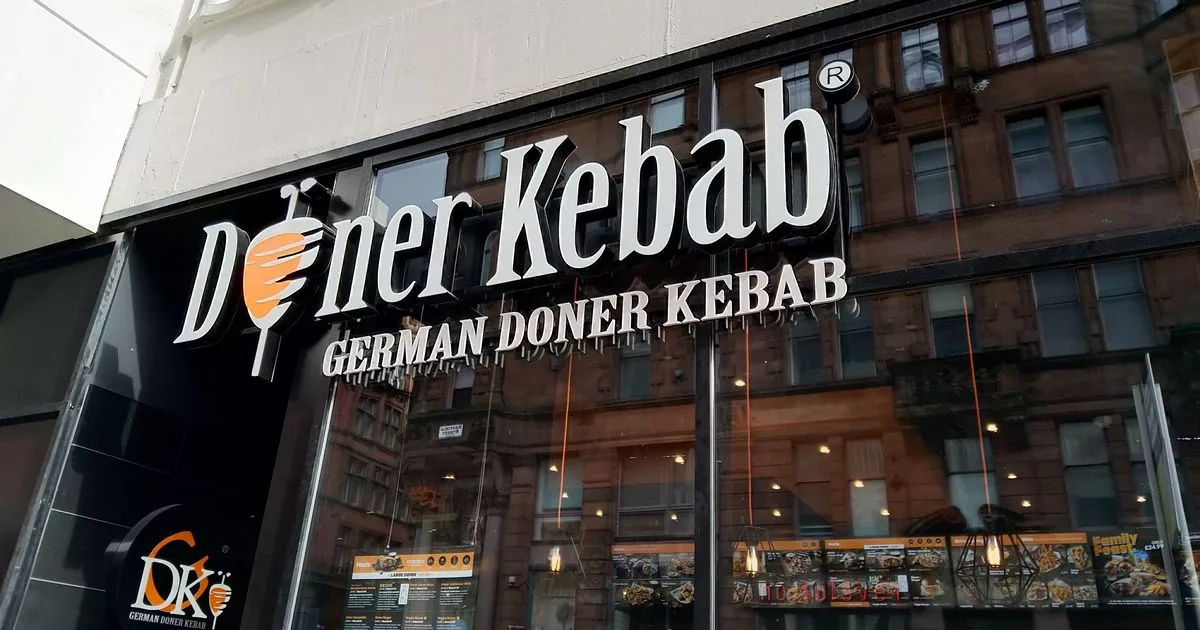

Doner Kebab Outlet, trading as German Doner Kebab (GDK), is a fast-casual kebab restaurant chain that reinvented traditional döner using premium lean meats, handmade waffle breads, fresh local produce, and signature sauces.
The first GDK store opened in Berlin in 1989 after years of recipe refinement. GDK’s U.S. parent company, GDK USA, Inc., was formed on September 12, 2017, and is based in Concord, Massachusetts. GDK International Ltd is headquartered in Glasgow, Scotland, where its global operations are managed.
Franchising began in 2017, with the first outlet launched in Dubai by founder Farshad Abbaszadeh. GDK introduced its UK franchise model in 2015, expanding rapidly into Europe, North America, the Middle East, and Saudi Arabia.
GDK offers counter- and table-service doner wraps, kebab boxes, rice bowls, veggie options, and creative specials like “kebags” teamed with Doritos. What sets GDK apart are its open kitchens, premium lean meats, freshly made waffle breads, proprietary sauces, and tech innovations like robotic meat slicing that ensure consistency and speed.
Here's what you would need to invest if you were to start this franchise. These costs are provided by the franchisor in the Franchise Disclosure Document.
Doner Kebab offers a multi-faceted training program to ensure franchisees and their staff are well-prepared for operations. The training includes both classroom and on-the-job components.
Doner Kebab offers franchisees a designated Protected Territory, the size and boundaries of which are determined based on demographic research and location specifics. This territory may range from a street address to a zip code or defined area and is outlined in the franchise agreement.
As long as the franchisee remains in compliance, Doner Kebab agrees not to establish or license another outlet within that Protected Territory. However, this protection does not extend to exclusivity beyond the assigned area.
Franchisees are not allowed to solicit or fulfill orders outside their territory or use channels like the internet or telemarketing for such purposes. Despite this, Doner Kebab cannot prevent unsolicited inquiries from being served by other franchisees, nor can it control marketing spillovers such as media ads that may reach into a franchisee’s territory.
Below are some of
Doner Kebab Outlet
key competitors in the
Other Food
sector.
1
$30,000
$999,000
$1,115,000
n.a.
$1,491,000
$xxx,xxx
n.a.
n.a.
n.a.
n.a.

Sticks Kebob Shop is a fast-casual Mediterranean franchise offering marinated kebabs, salads, and sides, serving health- and value-focused diners and families, and known for fresh ingredients, bold flavors, flexible formats and strong growth potential.
?
?

The New York Butcher Shoppe is a retail-butcher franchise offering hand-cut steaks, premium meats, prepared entrées, sides, and gourmet grocery items, serving families and food enthusiasts, and known for high-quality product, inviting atmosphere, and proven franchise model.
?
?

Capt Loui is a seafood & coastal dining franchise offering fresh seafood, coastal American cuisine, and casual dining ambiance, serving families and coastal diners, and known for ocean-fresh ingredients, nautical branding, and relaxed upscale vibe.
?
?

Potato Corner is a quick-service franchise known for its flavored French fries. Originating from the Philippines, it has expanded globally, offering a variety of seasonings and serving options to appeal to diverse tastes.
?
?

Hawaiian Bros Island Grill is a fast-casual restaurant franchise serving Hawaiian plate lunches, featuring marinated meats, rice, and macaroni salad in a tropical-themed environment.
?
?

Shah's Halal is a fast-casual franchise offering halal food options like gyros, platters, and wraps, with authentic flavors and quick service.
?
?
Choosing a franchise goes beyond reviewing fees and financials — it requires an honest assessment of your goals, skills, and risk tolerance. This article outlines the key questions prospective owners should ask before committing. It helps clarify whether the opportunity aligns with your lifestyle, long-term plans, and operational preferences.
Speaking with current and former franchisees is one of the most reliable ways to understand how a franchise really operates. This guide explains how to conduct validation calls, what questions to ask, and how to identify patterns in feedback. It provides a practical framework for uncovering real performance expectations and support quality.
Not all franchise opportunities offer the same potential. This article breaks down how to evaluate a brand’s industry, financial health, support systems, and competitive positioning. It helps prospective buyers compare options and identify franchises with strong long-term viability.
A clear, well-structured business plan is essential for securing financing and preparing for the realities of franchise ownership. This article explains how to build a plan that covers market analysis, operations, staffing, and local marketing. It also outlines how to create realistic pro forma financials, including revenue projections, startup costs, and break-even analysis. Readers gain a practical framework they can use when applying for loans or planning their first years of operations.