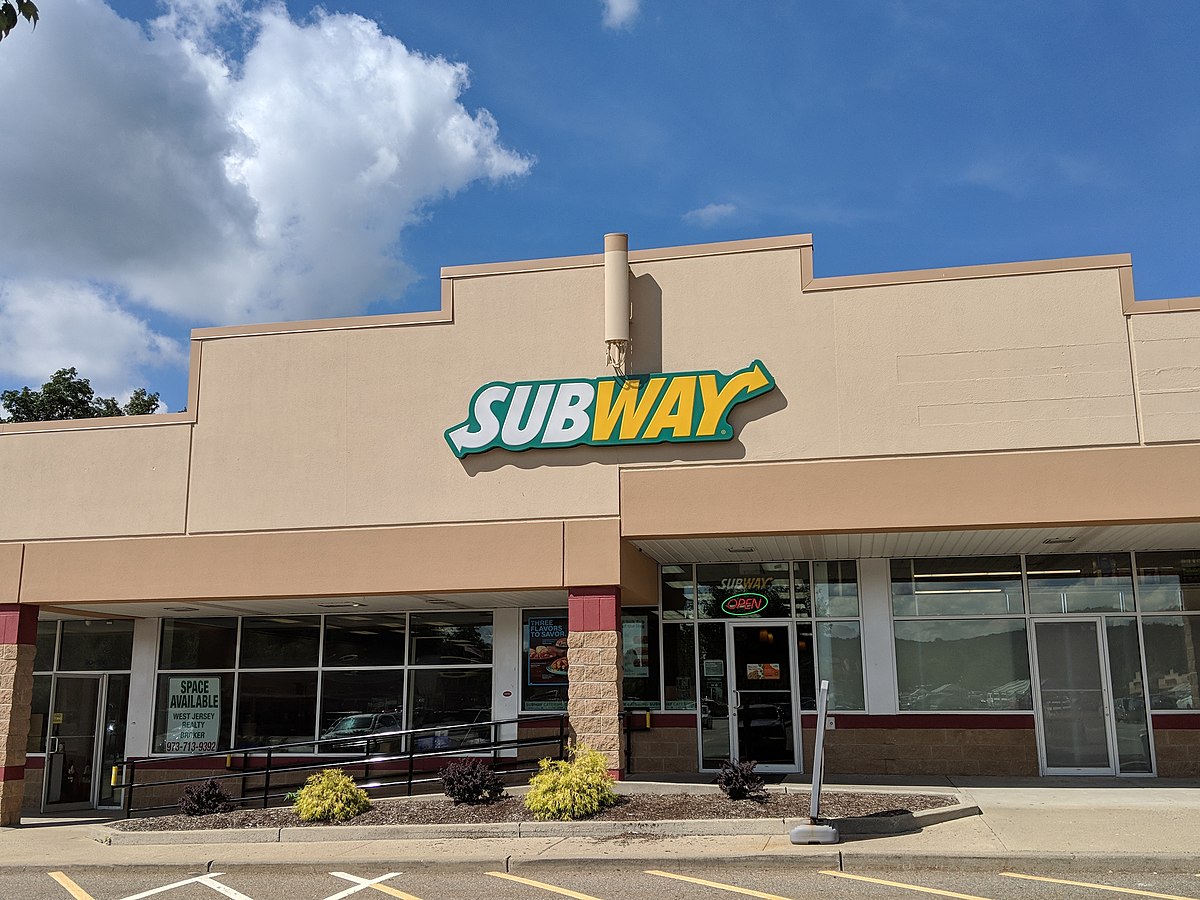
Last month MTF Enterprises - a multi-unit franchisee operating 43 Subway locations across 4 states - filed for Chapter 11 bankruptcy protection.
While Subway’s domestic footprint has been shrinking for years - dropping below 20,000 locations for the first time in 2 decades - this specific collapse was more than a foot traffic issue. It was a financial "debt spiral" triggered by Merchant Cash Advances (MCAs).
What Exactly is an MCA?
A Merchant Cash Advance is not technically a loan; it is a commercial transaction where a company sells a portion of its future credit card sales in exchange for an immediate lump sum of capital.
- The Repayment: Instead of monthly installments, the "lender" takes a fixed percentage of the business’s daily credit card receipts—known as a retrieval rate—until the total is paid back.
- The Cost: MCAs use a "factor rate" (e.g., 1.2 to 1.5) rather than an interest rate. If you receive $100,000 at a 1.4 factor rate, you owe $140,000, regardless of how fast you pay it back.
The Specific Risks for Franchisees
While MCAs offer speed and high approval rates, they carry unique risks for franchise operators:
- The Margin Squeeze: Franchisees already pay royalty and advertising fees (often 8–12% of gross sales) to corporate. Adding a daily MCA withdrawal (often 10–20%) can leave the owner with too little remaining cash to cover core costs.
- The Remodel Breaking Point: This bankruptcy highlights a growing rift between franchisees and corporate. According to Restaurant Dive, operators have pushed back against the massive costs of mandatory remodels (often over $100k). Using a 94% APR product to fund these renovations creates a debt burden that increased traffic simply cannot outpace.
- A Dangerous Pattern: This isn't an isolated incident. The Subway filing mirrors the 2025 bankruptcy of Matadoor Restaurant Group, a 22-unit Del Taco franchisee that also crumbled under the pressure of MCA debt.
- Lack of Regulation: Because MCAs are categorized as "purchases of assets," they aren't subject to the same usury laws that cap interest rates on traditional bank financing.
The Takeaway
MTF intends to keep its stores open through reorganization, but the case serves as a warning: in the low-margin world of fast food, the "easiest" loans can be the most dangerous.


.png)