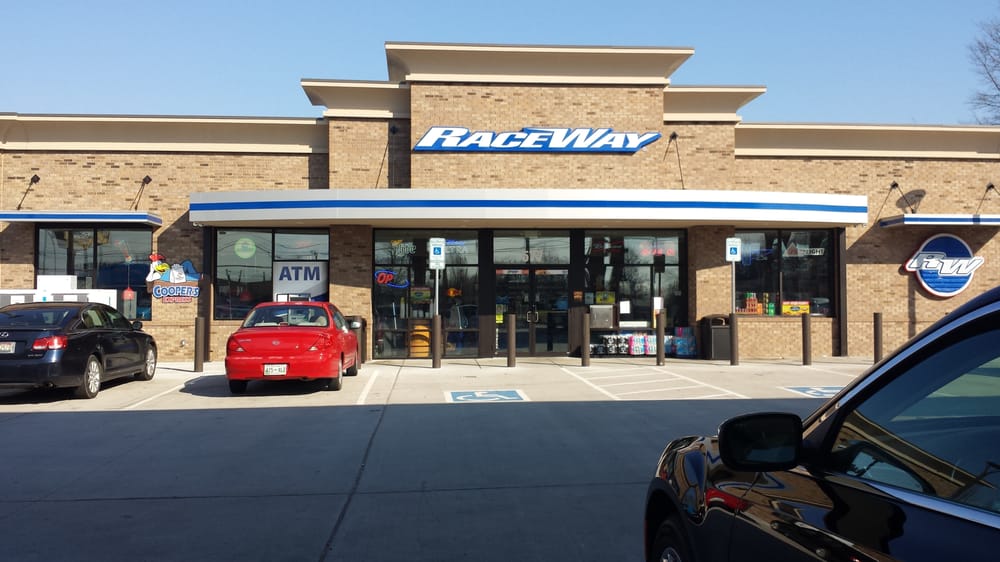

RaceWay has grown into a well-known network of gas stations and convenience stores, catering to both everyday commuters and long-distance travelers with a diverse range of fuel options, snacks, beverages, and household essentials.
Originally founded in 1934 in St. Louis, Missouri, the brand has since relocated its headquarters to Atlanta, Georgia, and has built a strong reputation as a convenient and dependable stop across numerous locations.
Since launching its franchising program in 2002, RaceWay has opened the door for independent operators to run their own stores under its established name. The franchise structure is especially attractive thanks to the high level of operational independence it offers.
Unlike many in the industry, RaceWay allows franchisees to customize their product selection and services based on their specific customer base. This approach not only sets RaceWay apart from competitors but also enables its operators to better serve their communities and drive their own success.
Here's what you would need to invest if you were to start this franchise. These costs are provided by the franchisor in the Franchise Disclosure Document.
RaceWay provides multiple structured training programs designed to prepare franchisees and their teams for effective business operations:
RaceWay does not grant any form of exclusive territory protection to its franchisees. The Franchise Agreement explicitly states that franchisees are not entitled to any “exclusive,” “protected,” or “non-encroachable” territorial rights. This includes the absence of rights of first refusal or any guarantees regarding market area exclusivity, whether physical or virtual.
Furthermore, RaceWay and its affiliates, such as RaceTrac, Inc., retain the right to operate their own outlets or authorize others within the same market.
Below are some of
Raceway
key competitors in the
Convenience Store
sector.

228
$25,000
$198,000
$585,000
n.a.
$0
$xxx,xxx
n.a.
n.a.
n.a.
n.a.

Kangaroo Express is a convenience store franchise offering fuel, snacks, beverages, and everyday essentials, serving neighborhood motorists and local shoppers, and known for flexible store formats, strong franchisor support through the Circle K network, and tailoring assortments to local communities.
?
?

7-Eleven is a global convenience store franchise offering a wide range of products including snacks, beverages, and everyday essentials. Operating 24/7, it focuses on providing quick and convenient service to customers.
?
?

Raceway is a convenience store and gas station chain offering a variety of snacks, beverages, and essential items for travelers on the go.
?
?

Street Corner offers convenience store and retail products, providing a variety of snacks, beverages, and essentials for individuals on the go.
?
?

Petro Stopping Centers is a travel center franchise offering a wide range of services for travelers, including fuel, dining, convenience stores, and truck maintenance.
?
?

Holiday Stationstores is a convenience store chain offering a variety of snacks, beverages, and essential items for travelers and commuters.
?
?
Choosing a franchise goes beyond reviewing fees and financials — it requires an honest assessment of your goals, skills, and risk tolerance. This article outlines the key questions prospective owners should ask before committing. It helps clarify whether the opportunity aligns with your lifestyle, long-term plans, and operational preferences.
Speaking with current and former franchisees is one of the most reliable ways to understand how a franchise really operates. This guide explains how to conduct validation calls, what questions to ask, and how to identify patterns in feedback. It provides a practical framework for uncovering real performance expectations and support quality.
Not all franchise opportunities offer the same potential. This article breaks down how to evaluate a brand’s industry, financial health, support systems, and competitive positioning. It helps prospective buyers compare options and identify franchises with strong long-term viability.
A clear, well-structured business plan is essential for securing financing and preparing for the realities of franchise ownership. This article explains how to build a plan that covers market analysis, operations, staffing, and local marketing. It also outlines how to create realistic pro forma financials, including revenue projections, startup costs, and break-even analysis. Readers gain a practical framework they can use when applying for loans or planning their first years of operations.