KEY FRANCHISE STATS
?
?
?
?
$260,000
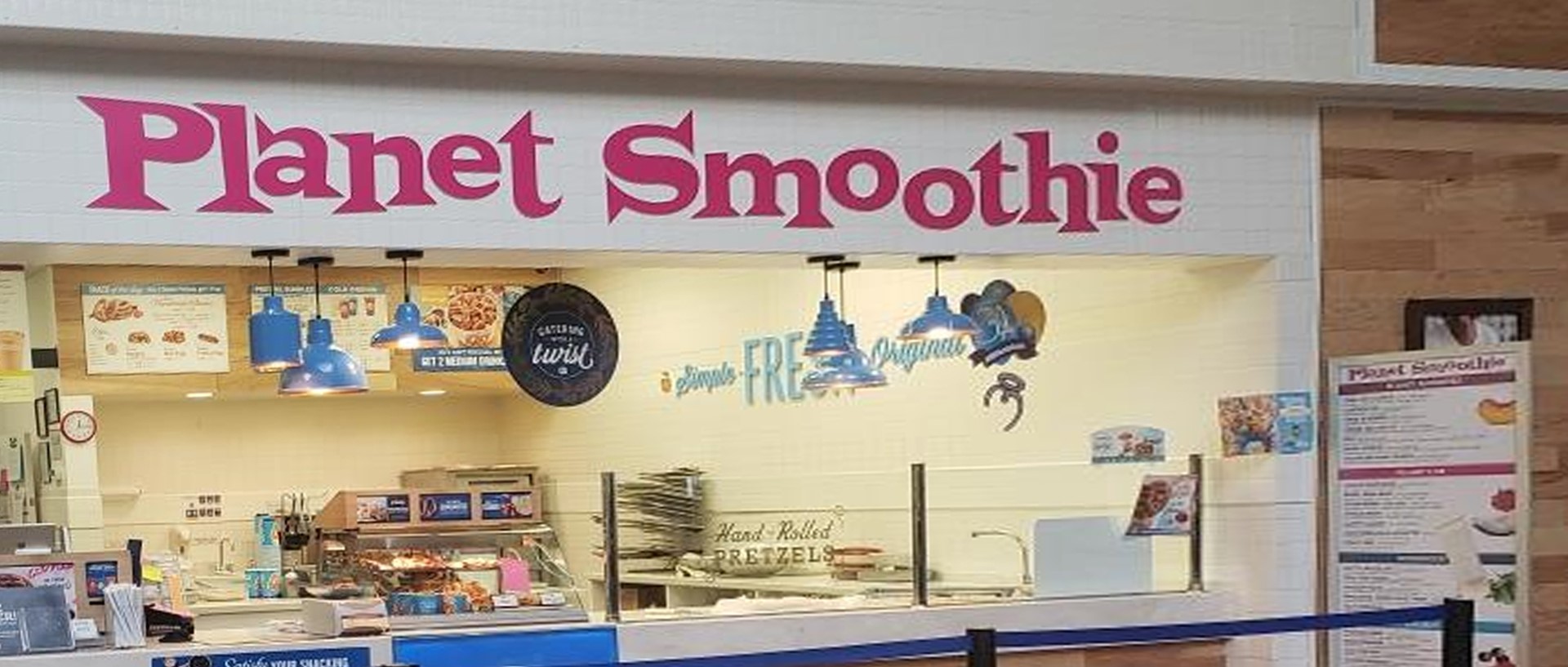
Planet Smoothie, founded in 1995 in Atlanta, Georgia, has established itself as a key player in the health and wellness sector, especially within the smoothie market. The brand distinguishes itself by offering delicious smoothies made from real fruit and high-quality ingredients, all paired with enthusiastic customer service.
In 2015, Planet Smoothie joined the Kahala Brands™ family, gaining access to enhanced support for product innovation and franchise growth. The brand’s mission focuses on uplifting every guest's day with tasty products that promote health and happiness. Planet Smoothie aims to be the top provider of flavorful, healthy products in a lively and enthusiastic atmosphere.
Every Planet Smoothie location is independently owned and operated by dedicated entrepreneurs, backed by the support of Kahala Brands™. This ensures consistent excellence across all stores.
Create a free account to access this table and more.
Planet Smoothie offers 2 types of franchises:
We are summarizing below the main costs associated with opening a Planet Smoothie Traditional Franchise. For more information on costs required to start a Planet Smoothie franchise, refer to the Franchise Disclosure Document (Item 7).
Below are some of
Planet Smoothie
key competitors in the
Healthy
sector.

154
5.00%
$84,000
-
$479,000
$260,000
n.a.
$xxx,xxx
n.a.
n.a.
Planet Smoothie provides an extensive training program designed for franchisees and their staff, ensuring they have the essential skills and knowledge to operate their franchise successfully. The program includes approximately 64 hours of training, divided into 24 hours of In-Store Training and 40 hours of New Owner Training.
In-Store Training Conducted at a designated training store, this segment focuses on the practical aspects of operating a Planet Smoothie franchise. It covers daily operations, customer service, and product preparation, providing hands-on experience.
New Owner Training The New Owner Training offers a broader scope, addressing various topics necessary for effective franchise management. This training can be completed online or in-person, depending on the franchisor's guidelines. In-person sessions are held at the franchisor's training and education center in Scottsdale, Arizona, or another specified location.
Additional Training and Support Planet Smoothie also offers supplementary training programs, refresher courses, and annual conferences. These sessions introduce new products, discuss sales and marketing strategies, and cover other relevant topics. While franchisees may incur nominal fees for these programs, they are also responsible for their own transportation, food, lodging, and related expenses.
The Planet Smoothie franchise agreement does not provide franchisees with any exclusive or protected territory for their restaurant.
Additionally, the franchisor reserves the right to establish franchised or corporate-owned locations of similar food concepts near a franchisee's restaurant. This includes areas where similar food concepts owned by the franchisor's affiliates may already be operating.
As a result, franchisees should be aware that the franchisor may compete within what would traditionally be considered their territory, indicating there is no territory protection for franchisees.
?
?
?
?
?
n.a.
2025
Sign up for free to read 5,000+ FDDs. Else, you can also buy this FDD here.

?

?
?
?
$0
?
?
?
?
?
?
?
.png)