MILLIE’S HOMEMADE is a bakery-café franchise offering cookies, brownies, desserts and café beverages, serving family-friendly shoppers and gift buyers, and known for made-from-scratch recipes, warm ambiance and scalable franchise design.
KEY FRANCHISE STATS
Franchisees
?
9
+
13%
13%
Franchise fee
?
$50,000
Investment
?
$333,000 - $560,000
Revenue (AUV)
?
Undisclosed
$444,000
+
n.a.
n.a.
Sign up
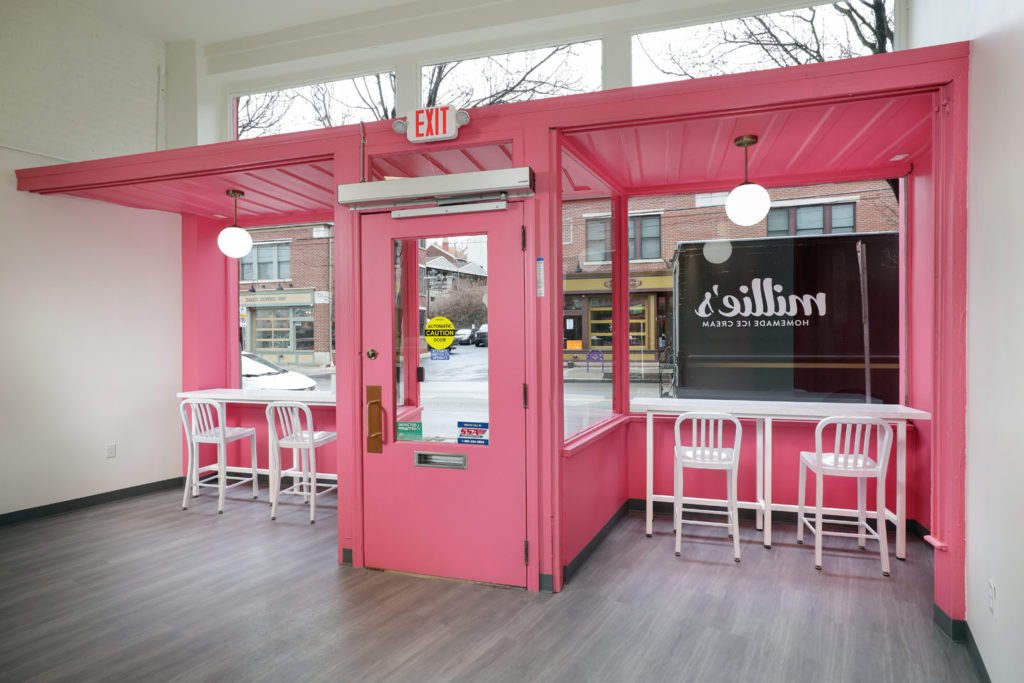
Millie’s Homemade Ice Cream was created in 2014 by Chad and Lauren Townsend, a husband-and-wife duo based in Pittsburgh, Pennsylvania. The concept began in a small kitchen, where the founders used a micro-puree machine to produce limited batches of artisanal ice cream. What started as a modest project quickly evolved into a fast-growing company now headquartered in Homestead, Pennsylvania.
As the brand gained popularity, Millie’s established its own production facility and continued to grow its footprint through scoop shops and food trucks. This expansion helped the company develop a strong following throughout the Pittsburgh region and eventually in neighboring markets.
The company launched its franchise program around 2021, allowing entrepreneurs to operate Millie’s locations in various formats, including traditional scoop shops, mobile food trucks, and compact specialty kiosks.
Millie’s is known for crafting super-premium ice cream and gelato, offering dairy-free alternatives, freshly baked waffle cones, sundaes, shakes, floats, retail pints, and a selection of artisan espresso and coffee beverages.
Interested in MILLIE’S HOMEMADE franchise?
Share your information and our team will help you explore MILLIE’S HOMEMADE franchise opportunity, including startup costs, available territories, ownership requirements, and next steps.
The initial investment required for a MILLIE’S HOMEMADE franchise is
$333,000 - $560,000.
That is the total cost you would need to finance if you were to start this franchise.
These costs are provided by the franchisor in the Franchise Disclosure Document.
Type of Expenditure
Amount
Franchise Fee
$50,000
Rent - 3 Months
$7,500 to $18,000
Professional Fees - Architect, Engineers, RE Attorney
$8,000 to $14,000
Leasehold Improvements
$100,000 to $225,000
Exterior Signage
$5,000 to $10,000
Equipment, Furniture, and Digital Menus
$39,500 to $44,500
Espresso Equipment - Optional, for Ice Cream & Coffee Concept
$0 to $18,000
Drive-Thru Equipment - For Drive-Thru Spaces Only
$0 to $15,000
Interior Décor Package
$6,000 to $8,000
Opening Inventory
$9,500 to $14,500
Grand Opening Marketing Spend
$15,000
Activation Fee
$8,750
Catering Supplies, Smallwares, and Office Supplies
$4,500 to $5,500
Initial Training Travel Expenses
$1,500 to $2,500
Business Permits & Licenses
$1,000 to $3,000
Insurance - Deposit and 3 Months of Premiums
$500 to $1,500
Computer Systems
$1,500 to $2,000
Additional Funds - 3 Months
$25,000 to $30,000
Purchase of Mobile Food Truck & Upfitting
$50,000 to $75,000
Total Estimated Initial Investment
$333,250 to $560,250
Create a free account to access this table and more.
Thank you! Your submission has been received!
Oops! Something went wrong while submitting the form.
Type of Expenditure
Amount
Franchise Fee
$50,000
Rent - 3 Months
$7,500 to $18,000
Professional Fees - Architect, Engineers, RE Attorney
$8,000 to $14,000
Leasehold Improvements
$100,000 to $225,000
Exterior Signage
$5,000 to $10,000
Equipment, Furniture, and Digital Menus
$39,500 to $44,500
Espresso Equipment - Optional, for Ice Cream & Coffee Concept
$0 to $18,000
Drive-Thru Equipment - For Drive-Thru Spaces Only
$0 to $15,000
Interior Décor Package
$6,000 to $8,000
Opening Inventory
$9,500 to $14,500
Grand Opening Marketing Spend
$15,000
Activation Fee
$8,750
Catering Supplies, Smallwares, and Office Supplies
$4,500 to $5,500
Initial Training Travel Expenses
$1,500 to $2,500
Business Permits & Licenses
$1,000 to $3,000
Insurance - Deposit and 3 Months of Premiums
$500 to $1,500
Computer Systems
$1,500 to $2,000
Additional Funds - 3 Months
$25,000 to $30,000
Purchase of Mobile Food Truck & Upfitting
$50,000 to $75,000
Total Estimated Initial Investment
$333,250 to $560,250
Franchise Disclosure Document
Below is MILLIE’S HOMEMADE's 2026 Franchise Disclosure Document. Sign up for free to view the document.
Number of units
MILLIE’S HOMEMADE had 14 total units in 2026, of which 9 were franchised-owned and 5 company-owned.
Millie’s Homemade provides structured and comprehensive training to its franchisees to ensure operational consistency and high-quality service across all locations. Below are the key training programs offered by the franchisor:
Initial Training Program Millie’s Homemade offers an initial training program for the Owner-Operator, one Manager, and up to three additional individuals. The program includes three days of remote training and seven days of on-site training, combining classroom and hands-on instruction. While the franchisor covers the cost of the training program itself, franchisees are responsible for travel, lodging, and other related expenses.
Additional Trainee Fees If more than five individuals attend the initial training, the franchisee must pay a fee of $250 per additional trainee. All training is typically conducted in Pittsburgh, Pennsylvania, or another designated location, and attendees are required to sign confidentiality and non-compete agreements before participating.
Subsequent Training The franchisor may require Owner-Operators, Managers, or other staff to attend additional, refresher, or follow-up training programs. These may be conducted via webinar, videoconference, or in-person at a location chosen by the franchisor. There is no tuition fee for these sessions, but all associated costs such as travel and lodging are the responsibility of the franchisee.
Territory Protection
Millie’s Homemade grants franchisees a “Protected Territory” defined by ZIP codes, typically covering 75,000 to 125,000 residents for Shops and CNC Shops, and 225,000 to 375,000 for Food Trucks. Within this area, no other Shop or CNC Shop will be opened by the franchisor.
However, the franchisor may still operate Specialty Shops, allow other distribution channels, and license different trademarks within the same territory. Franchisees also have a right of first refusal for Specialty Sites within their area but must meet specific qualifications for approval.




.png)