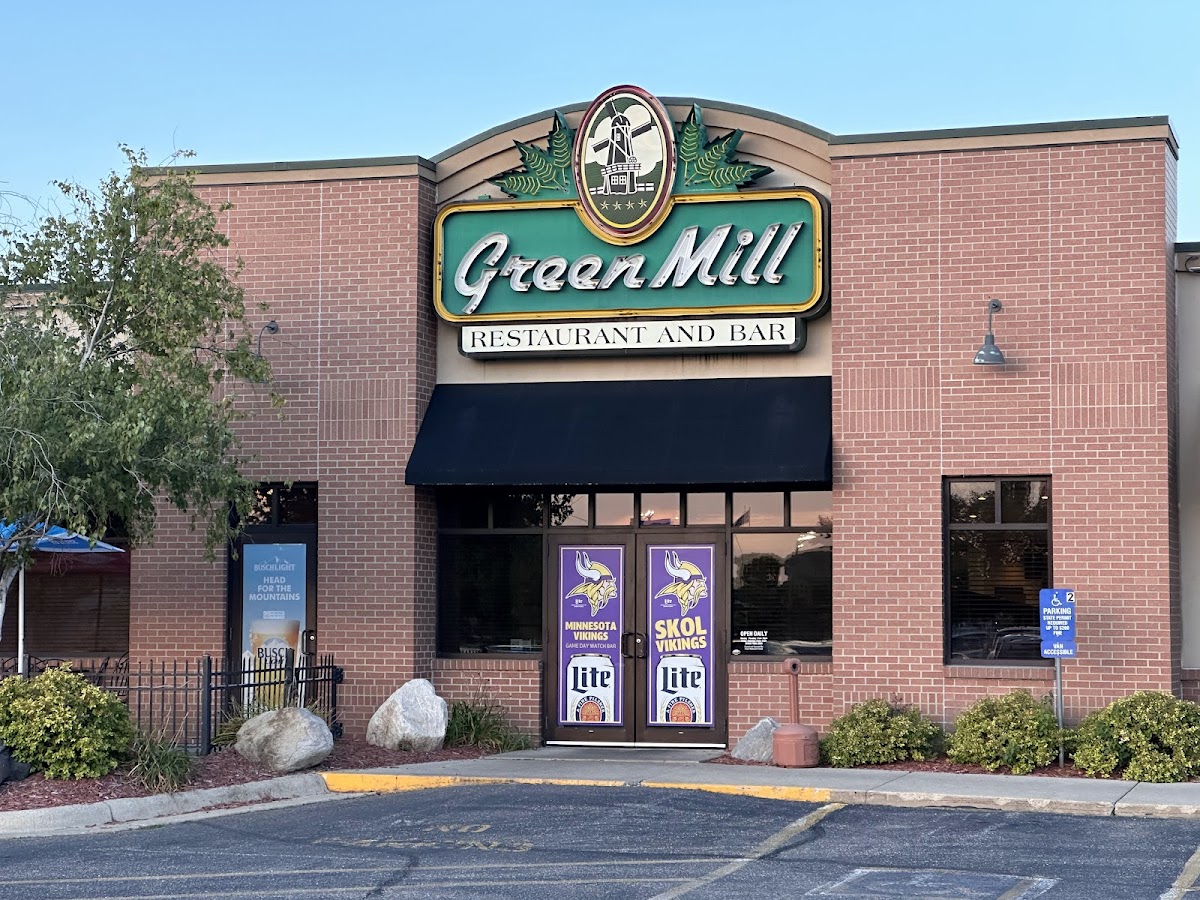

Green Mill Restaurants is a full-service casual dining franchise known for its award-winning deep-dish pizza, pasta, wings, and beer. The brand was originally established as a soda fountain in St. Paul, Minnesota in 1935 and remains headquartered there.
Over the years, it evolved into a full-fledged restaurant known for quality food and a relaxed dining experience. The franchise began offering Chicago-style deep-dish pizza in 1975, which became its signature offering.
Green Mill started franchising shortly after and now operates multiple franchised locations primarily in Minnesota. In 2018, the company introduced “Green Mill On The Go,” a fast-casual, takeout-focused model to appeal to modern dining trends and busy consumers.
Green Mill offers a wide menu including pizza, pasta, sandwiches, salads, and a full-service bar. The brand also provides catering services for both small gatherings and large events, earning a strong reputation in the catering space.
Its dedication to quality, consistency, and customer satisfaction continues to be a major draw for franchisees and guests alike. What sets Green Mill apart is its combination of deep-rooted Midwest heritage, diverse menu, and strong franchisee support.
Here's what you would need to invest if you were to start this franchise. These costs are provided by the franchisor in the Franchise Disclosure Document.
Green Mill Restaurants provides an in-depth training program for its franchisees to ensure effective business operations. The following numbered programs outline the key components of the franchisor’s training:
Green Mill Restaurants offers its franchisees a protected territory known as the "Designated Territory," which is mapped and included in the franchise agreement. Within this designated area, the franchisor agrees not to establish any company-owned or franchised Green Mill Restaurant locations, provided the franchisee complies with the agreement terms.
However, this protection does not constitute an exclusive territory, as overlaps with other franchisee areas or company service zones may occur due to population and geographic factors.
While franchisees have certain protections, Green Mill retains broad rights to operate or license restaurants under different marks, including those selling similar or competing products, both inside and outside a franchisee's Designated Territory.
Below are some of
Green Mill Restaurants
key competitors in the
Pizza
sector.
17
$45,000
$1,672,000
$2,493,000
n.a.
$0
$xxx,xxx
n.a.
n.a.
n.a.
n.a.

Chanticlear Pizza is a pizza restaurant franchise offering multiple crust styles, specialty pizzas, and related items, serving neighborhood diners in the Twin Cities region, and known for decades of local heritage, thin-crust favorites, delivery convenience, and community-focused operations.
?
?

Bellacino's is a fast-casual restaurant franchise offering pizza, grinders, and related menu items, serving families, workers, and students, and known for dough and bread made from scratch daily, oven-baked sandwiches, and a comfortable neighborhood dining experience.
?
?

Krave It is a fast-casual franchise offering gourmet wraps, bowls and specialty sandwiches in NYC style, serving value- and quality-seeking diners, and known for growth-oriented franchise support and evolving restaurant model.
?
?

Vinny’s Pizza is a pizzeria franchise offering classic New York–style pies, slices, subs and wings, serving families, students and neighborhood patrons, and known for dough-based heritage, strong local loyalty and franchise growth support.
?
?

Red Boy Pizza Franchising Corp. is a pizza franchise offering sourdough-crust pizzas, Italian salads and delivery service, serving local neighborhood customers, and known for family tradition, fresh-made ingredients and long-standing brand heritage.
?
?

Westside Pizza is a pizza franchise offering dine-in, delivery and carry-out pizza, wings and salads, serving families and local communities, and known for modern systems, flexible formats, low startup investment and community-centric brand.
?
?
Choosing a franchise goes beyond reviewing fees and financials — it requires an honest assessment of your goals, skills, and risk tolerance. This article outlines the key questions prospective owners should ask before committing. It helps clarify whether the opportunity aligns with your lifestyle, long-term plans, and operational preferences.
Speaking with current and former franchisees is one of the most reliable ways to understand how a franchise really operates. This guide explains how to conduct validation calls, what questions to ask, and how to identify patterns in feedback. It provides a practical framework for uncovering real performance expectations and support quality.
Not all franchise opportunities offer the same potential. This article breaks down how to evaluate a brand’s industry, financial health, support systems, and competitive positioning. It helps prospective buyers compare options and identify franchises with strong long-term viability.
A clear, well-structured business plan is essential for securing financing and preparing for the realities of franchise ownership. This article explains how to build a plan that covers market analysis, operations, staffing, and local marketing. It also outlines how to create realistic pro forma financials, including revenue projections, startup costs, and break-even analysis. Readers gain a practical framework they can use when applying for loans or planning their first years of operations.