Resale fashion franchise offering trendy, gently used clothing and accessories at affordable prices, providing a sustainable and budget-friendly shopping experience.
KEY FRANCHISE STATS
Franchisees
?
129
+
30%
30%
Franchise fee
?
$25,000
Investment
?
$328,000 - $597,000
Revenue (AUV)
?
Undisclosed
$1,251,000
+
1.9%
1.9%
Sign up
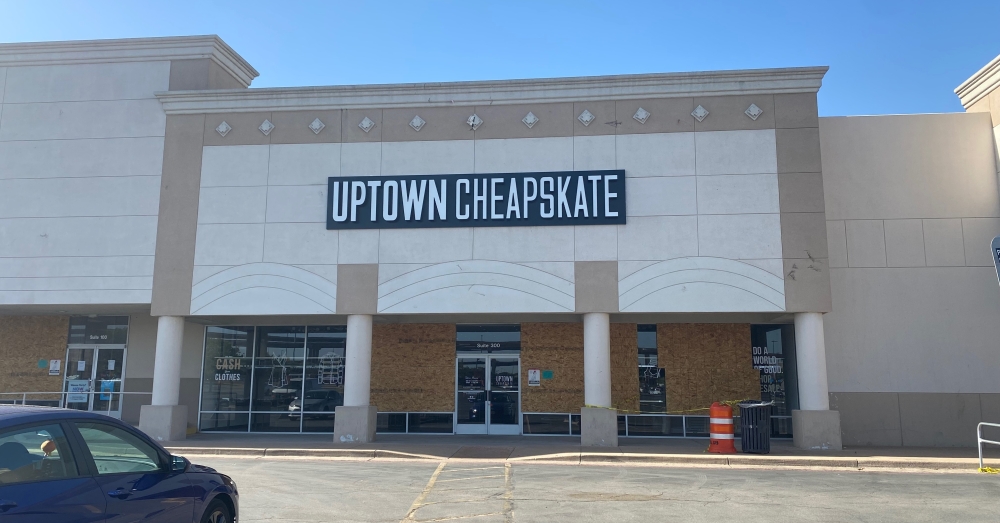
Uptown Cheapskate has emerged as a prominent name in the resale clothing industry, offering a unique shopping experience for young adults seeking stylish, gently used fashion. Established in 2008 in Salt Lake City, Utah, the brand has rapidly expanded its presence across the United States, now boasting over 130 locations and continuing to grow.
Franchising since 2008, Uptown Cheapskate differentiates itself through a boutique-style atmosphere that is clean, organized, and fashion-forward. Customers can find top-quality apparel and accessories at 50–70% below retail prices, attracting shoppers who might not typically frequent secondhand stores.
Beyond fashion, Uptown Cheapskate is committed to promoting sustainability by encouraging clothing reuse and helping reduce environmental waste. The brand also invests in local communities by creating jobs and supporting charitable initiatives, blending affordable style with social and environmental impact.
Interested in Uptown Cheapskate franchise?
Share your information and our team will help you explore Uptown Cheapskate franchise opportunity, including startup costs, available territories, ownership requirements, and next steps.
The initial investment required for a Uptown Cheapskate franchise is
$328,000 - $597,000.
That is the total cost you would need to finance if you were to start this franchise.
These costs are provided by the franchisor in the Franchise Disclosure Document.
Uptown Cheapskate provides a comprehensive training program designed to equip new franchisees and their staff with the skills necessary to successfully operate their stores. The training programs offered by the franchisor are as follows:
Initial Training Program Franchisees and one additional team member are required to attend a six-day training session before purchasing inventory or opening the store. This training is typically conducted at the corporate office in North Salt Lake, Utah, and includes classroom instruction, hands-on practice, and use of Uptown Cheapskate’s proprietary systems such as the Baseline point-of-sale system, IMAP, and QuickBooks.
Internship Requirement Following the initial training, the designated store manager must complete a five-day (40-hour) internship at an approved Uptown Cheapskate store. This practical component ensures trainees apply their knowledge in a real retail setting and gain experience in store flow, inventory handling, customer service, and management practices.
Advanced Franchisee Training Existing franchisees or renewing franchisees may be required to attend a five-day “Advanced Franchisee Training.” This session, if held, covers more in-depth topics and helps reinforce best practices. Although there is no fee for attending, participants are responsible for travel and other personal expenses.
Territory Protection
Uptown Cheapskate offers its franchisees a limited form of territory protection. Franchisees receive a “Protected Area,” defined as a five-mile driving radius around their approved store location.
Within this area, the franchisor agrees not to allow another Uptown Cheapskate franchise or company-owned store to operate. However, this protection is not absolute. The franchisee may still face competition from other channels of distribution or brands under the franchisor’s control.
Furthermore, if the franchisee does not open their store within 18 months of signing the agreement, Uptown Cheapskate reserves the right to reduce or eliminate the Protected Area or even terminate the franchise agreement altogether.



.png)